

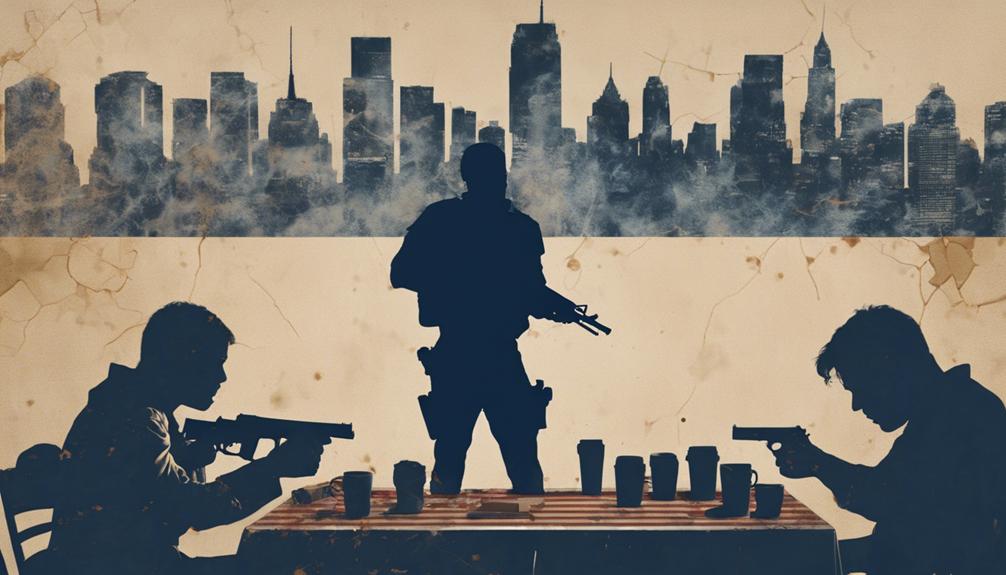
You're about to immerse yourself in the complex and contentious world of gun control legislation, where passionate arguments from both sides of the aisle have created a decades-long stalemate. On one hand, proponents argue that stricter laws can reduce gun violence, citing lower rates in countries with strict gun control. On the other hand, opponents worry that government overreach could restrict Second Amendment rights, disproportionately affecting law-abiding citizens. As you navigate this debate, you'll encounter conflicting views on background checks, waiting periods, and the impact of stricter laws on public safety and personal freedom. What's the truth behind the rhetoric, and what's at stake?
Background of the Gun Control Debate
As you explore the intricacies of gun control, you'll find that the debate has been simmering in the United States for over a century, with roots tracing back to the country's founding and the Second Amendment. This amendment, ratified in 1791, grants citizens the right to keep and bear arms. Over time, the interpretation of this right has sparked intense discussions, with some advocating for stricter laws and others fighting to preserve their gun rights.
The debate has evolved notably since the country’s early days. In the late 19th and early 20th centuries, gun control laws began to take shape, primarily in response to rising crime rates and urbanization. The National Rifle Association (NRA), founded in 1871, emerged as a prominent voice in the debate, advocating for gun rights and promoting firearm safety. As gun control discussions intensified, various advocacy groups on both sides of the issue mobilized citizens, emphasizing the importance of civic engagement and democratic values in shaping legislation. The 1960s and 70s brought significant changes, including the passage of various gun control measures, fueled by social movements advocating for public safety. Today, the ongoing dialogue around gun rights and regulation reflects deeper societal questions about individual freedoms, community safety, and the role of government in ensuring a balance between these interests.
As the 20th century progressed, the gun control debate intensified, fueled by high-profile shootings and assassinations. The 1960s saw the passage of the Gun Control Act, which established stricter regulations on firearms dealers and imposed minimum age requirements for gun ownership. Since then, the debate has continued to simmer, with proponents on both sides passionately arguing their case. As you investigate further into the complexities of gun control, you'll discover that the debate is multifaceted, with no easy answers in sight.
Proponents' Arguments for Stricter Laws
As you explore the world of gun control, you'll find that proponents of stricter laws have a compelling argument. Proponents of stricter gun control laws argue that implementing universal background checks would greatly reduce the number of guns falling into the wrong hands, ultimately saving countless lives. By enforcing stricter background checks, you'd be ensuring that guns don't end up in the possession of individuals who pose a risk to themselves or others.
You might be wondering, what's the big deal about background checks? Well, it's important to understand that loopholes in the current system allow many individuals to bypass these checks, making it easy for guns to fall into the wrong hands. By closing these gaps, you'd be significantly decreasing the risk of gun violence.
Proponents also argue that stricter gun control laws would help reduce the number of mass shootings and gun-related deaths. You'd be surprised to know that many countries with stricter gun control laws have notably lower rates of gun violence. For instance, Australia's 1996 gun reform led to a substantial decline in gun-related deaths. By implementing similar laws, you could be saving lives and creating a safer community for everyone.
As you weigh the arguments for stricter gun control, you'll realize that it's not just about taking away people's right to bear arms, but about creating a safer society where everyone can thrive. By listening to the proponents' arguments, you'll gain a deeper understanding of the importance of stricter gun control laws in reducing gun violence and promoting a sense of belonging and safety in your community.
Opponents' Concerns About Second Amendment
You're likely familiar with the Second Amendment, which enshrines the right to bear arms, and opponents of stricter gun control laws argue that these regulations would infringe upon this fundamental right. They believe that the government is overstepping its bounds by trying to limit access to firearms, and that this could lead to a slippery slope where other constitutional rights are also restricted.
You might be wondering, what's the big deal about the Second Amendment? Opponents of stricter gun control laws would argue that it's not just about owning guns for hunting or self-defense – it's about the principle of individual liberty. They believe that the government should not have the power to dictate what citizens can and cannot own, and that the Second Amendment is essential to maintaining a free society.
Moreover, opponents argue that stricter gun control laws would disproportionately affect law-abiding citizens, who would be forced to give up their guns while criminals would still find ways to obtain them illegally. They believe that the focus should be on addressing the root causes of gun violence, such as mental health and societal issues, rather than restricting the rights of responsible gun owners. By understanding these concerns, you can better appreciate the complexity of the gun control debate.
Mass Shootings and Gun Violence Statistics
Mass shootings, which have become all too familiar in modern America, have claimed thousands of lives and left countless others devastated, prompting a groundswell of demands for stricter gun control laws. You can't help but wonder how many more lives will be lost before meaningful action is taken. The statistics are staggering and paint a grim picture of the reality we're facing.
Here are some sobering facts about gun violence in the United States:
- Every day, 100 Americans are killed with guns, and hundreds more are shot and injured.
- Over 39,000 people die annually from gun violence, making it one of the leading causes of death in the country.
- Seven children or teens are killed with guns every day, with many more experiencing the trauma of witnessing gun violence.
- Guns are the second-leading cause of death among American children and teens, surpassing car accidents and other accidents.
These numbers are a harsh reminder that gun violence is a public health crisis that demands immediate attention and action. As you consider the debate over gun control legislation, remember that the lives lost to gun violence are more than just statistics – they're mothers, fathers, sisters, brothers, friends, and neighbors who deserved better.
Effectiveness of Background Checks
Implementing universal background checks could greatly reduce the number of guns falling into the wrong hands, and it's essential to examine their effectiveness in preventing gun violence. As you consider the role of background checks in gun control legislation, you'll want to understand their impact on reducing gun-related crimes. Studies have consistently shown that states with universal background checks have lower rates of gun violence, including suicides and homicides. In fact, one study found that states with these checks in place saw a 10% decrease in gun-related homicides.
You might wonder how these checks work. Basically, they make sure that individuals who are prohibited from owning guns, such as those with criminal records or mental illnesses, are flagged during the purchasing process. This helps prevent guns from falling into the wrong hands. While some argue that background checks are an invasion of privacy, the data suggests that they are an important step in reducing gun violence.
As you weigh the pros and cons of gun control legislation, it's vital to recognize the effectiveness of background checks in preventing gun violence. By understanding their role in reducing gun-related crimes, you can make a more informed decision about the importance of implementing universal background checks. Ultimately, the goal is to create a safer society, and background checks are a critical step in achieving that goal.
Waiting Periods and Gun Ownership
What role do waiting periods play in promoting responsible gun ownership, and how can they complement background checks in reducing gun violence? As you consider the complexities of gun control, it's essential to evaluate the impact of waiting periods on gun ownership. You may wonder, do waiting periods really make a difference, or are they just an inconvenience to law-abiding citizens?
The answer lies in the benefits of waiting periods. Here are a few key ways they can contribute to responsible gun ownership:
- Cooling-off period: A waiting period can prevent impulsive decisions, allowing individuals to reassess their motivations for purchasing a firearm.
- Enhanced background checks: Waiting periods provide more time for thorough background checks, reducing the likelihood of firearms falling into the wrong hands.
- Reduced gun trafficking: Waiting periods can limit the ability of illegal gun traffickers to quickly acquire firearms.
- Increased accountability: Waiting periods promote accountability among gun sellers and buyers, as they must ensure all necessary procedures are followed.
The Role of Mental Health in Gun Violence
As you consider the role of mental health in gun violence, you'll likely wonder: what's the connection between a mental health diagnosis and access to firearms? Should individuals with certain mental health conditions be restricted from owning guns? You'll need to weigh the importance of preventing gun violence against the potential consequences of restricting individual freedoms.
Mental Health Diagnosis
Your doctor's diagnosis of a mental health condition may not necessarily lead to an automatic gun ownership prohibition, but it can trigger a complex evaluation process that considers the nuances of your mental state. This evaluation aims to assess whether your condition poses a risk to yourself or others. The goal is to strike a balance between your right to own a gun and the need to protect public safety.
In making this assessment, several factors are considered:
- Severity of symptoms: How severe are your symptoms, and do they impact your daily life?
- Impulse control: Do you have a history of impulsive behavior, and are you prone to acting on impulse?
- History of violence: Have you been involved in violent incidents in the past, and if so, what triggered them?
- Treatment compliance: Are you actively seeking treatment and complying with your treatment plan?
Gun Access Restrictions
When it comes to gun access restrictions, your mental health diagnosis can be a critical factor in determining whether you're allowed to own a gun, and the role of mental health in gun violence is a complex issue that sparks intense debate. As you navigate the nuances of gun control, it's essential to understand how mental health fits into the equation.
| Mental Health Condition | Gun Ownership Restrictions | State-Specific Laws |
|---|---|---|
| Severe Mental Illness | Prohibited from owning a gun | Federal law prohibits gun ownership |
| Depression | May be restricted | Some states have additional restrictions |
| Anxiety | No restrictions | No additional state restrictions |
| PTSD | May be restricted | Some states have additional restrictions |
| Bipolar Disorder | Prohibited from owning a gun | Federal law prohibits gun ownership |
As you can see, the relationship between mental health and gun ownership is far from straightforward. While some conditions may lead to restrictions, others may not. It's essential to stay informed about the laws in your state and how they intersect with your mental health diagnosis.
Illegal Gun Trafficking and Crime
How does the illegal gun trafficking industry, which supplies criminals with weapons, contribute to the staggering rates of gun-related violence in urban centers across the country? You might be surprised to learn that illegal gun trafficking is a major contributor to the problem. Criminals often obtain guns through illegal means, such as straw purchases or theft, and then use them to commit crimes.
The consequences of illegal gun trafficking are devastating. You see it in the news every day: shootings, homicides, and other violent crimes that leave families and communities shattered. But what can be done to stop it?
Here are some key facts about illegal gun trafficking:
- Straw purchases: Legal gun owners buying guns for criminals, often through illegal online marketplaces.
- Theft from legal owners: Criminals stealing guns from legal owners, often during burglaries or robberies.
- Corrupt dealers: Licensed gun dealers selling guns to criminals, often falsifying paperwork.
- Trafficking rings: Organized criminal networks that transport guns from states with lax laws to states with stricter laws.
You might be wondering what can be done to stop illegal gun trafficking. The answer lies in strengthening laws and enforcement, as well as raising awareness about the consequences of illegal gun trafficking. By working together, we can reduce the flow of illegal guns and make our communities safer.
State-by-State Gun Control Laws
As you explore state-by-state gun control laws, you'll notice significant variations in regulations across the country. You'll find that some states have implemented the strictest gun laws, while others have taken a more permissive approach. You'll also discover exceptions to these laws, which can impact the overall effectiveness of gun control legislation.
Strictest Gun Laws
You'll find the strictest gun laws in states like California, Connecticut, and Maryland, where lawmakers have implemented robust regulations to curb gun violence. These states have taken a proactive approach to reducing gun-related crimes and promoting public safety.
Some of the key features of these strict gun laws include:
- Universal background checks: Ensuring that all gun buyers undergo thorough background checks to prevent illegal sales.
- High-capacity magazine bans: Prohibiting the sale of high-capacity magazines to reduce the potential for mass shootings.
- Assault weapon bans: Restricting the sale of certain semi-automatic firearms deemed too dangerous for civilian ownership.
- Red flag laws: Allowing authorities to temporarily confiscate guns from individuals deemed a risk to themselves or others.
Permissive Gun Laws
On the opposite end of the spectrum, states like Arizona, Mississippi, and Wyoming have enacted permissive gun laws, giving residents more freedom to bear arms with minimal restrictions. You might be surprised to learn that in these states, you can purchase and carry firearms with relatively ease. In Arizona, for instance, you don't need a permit to carry a concealed weapon, and background checks are only required for private sales. Similarly, in Mississippi, you can open-carry a firearm without a permit, and the state has some of the lowest gun ownership regulations in the country. Wyoming, on the other hand, has a "shall-issue" policy, meaning that as long as you meet the basic requirements, you'll be issued a concealed carry permit. These states' permissive gun laws often spark heated debates, with proponents arguing that they promote personal freedom and self-defense, while opponents claim they contribute to gun violence and increased risk to public safety. As you navigate this complex issue, it's essential to consider the implications of permissive gun laws on your community.
Gun Law Exceptions
While exploring the intricacies of gun control legislation, it's important to recognize that individual states have carved out exceptions to their gun laws, often in response to unique cultural, historical, or demographic factors. As you investigate the nuances of state-by-state gun control laws, you'll find that these exceptions can have a substantial impact on the effectiveness of gun control measures.
Some states, for instance, have exemptions for certain types of firearms or specific groups, such as law enforcement or hunters. These exceptions can lead to inconsistencies in enforcement and create loopholes that can be exploited. Consider the following examples:
- California: Exempts certain antique firearms from registration requirements.
- Texas: Allows licensed hunters to carry firearms in certain areas.
- New York: Exempts active and retired law enforcement officers from certain magazine capacity limits.
- Alaska: Has no state-level gun registration requirements, leaving enforcement to local authorities.
As you navigate the complexities of gun control legislation, it's essential to understand these exceptions and how they influence the broader gun control debate.
International Gun Control Laws and Impact
Across the globe, countries have implemented varying degrees of gun control legislation, with some nations, like Japan and the UK, enforcing strict laws that greatly limit civilian ownership, while others, like the US and Canada, taking a more permissive approach. You might be wondering, what's the impact of these differing approaches on gun violence and public safety?
In countries with strict gun control laws, you'll often find lower rates of gun-related deaths and injuries. For example, in Japan, where handguns are heavily restricted, the gun homicide rate is nearly zero. Similarly, in the UK, where firearms are heavily regulated, gun-related crime is relatively rare. On the other hand, countries with more permissive laws, like the US, tend to have higher rates of gun violence.
It's worth noting that cultural and historical factors also play a significant role in shaping gun ownership and use. In some countries, like Switzerland, gun ownership is deeply ingrained in the culture, yet gun violence is relatively low. In others, like Australia, a mass shooting in the 1990s led to a significant overhaul of gun laws, resulting in a marked decrease in gun-related deaths.
As you consider the complexities of gun control legislation, it's essential to look beyond national borders and examine the diverse approaches taken by countries around the world. By doing so, you'll gain a deeper understanding of the intricate relationships between gun laws, cultural norms, and public safety.
Potential Consequences of Stricter Laws
As you consider the potential consequences of stricter gun control laws, you'll want to think about the economic burden they might impose on law-abiding citizens and businesses. You'll also need to weigh the potential infringement of rights, as stricter laws could limit your ability to exercise your Second Amendment rights. By examining these consequences, you'll get a clearer picture of the potential impact of stricter gun control laws.
Economic Burden Imposed
Stricter gun control laws could cost you and other taxpayers billions of dollars in economic burdens, from implementing and enforcing new regulations to compensating gun owners for surrendered firearms. This financial strain would likely be felt across the board, from local communities to the national level.
The economic burden imposed by stricter gun control laws can be broken down into several key areas:
- Implementation costs: Hiring and training new personnel, developing and distributing educational materials, and establishing new regulatory bodies would require significant upfront investments.
- Enforcement costs: Increased law enforcement presence, surveillance, and prosecution of gun-related crimes would lead to higher operational costs for police departments and court systems.
- Compensation for surrendered firearms: Governments might need to provide financial compensation to gun owners who are forced to surrender their firearms, which could be a costly endeavor.
- Lost economic opportunities: Stricter gun control laws could lead to the closure of gun shops, shooting ranges, and other businesses, resulting in lost revenue and job opportunities.
As you consider the potential benefits of stricter gun control laws, it's essential to weigh them against the significant economic burdens they could impose.
Infringement of Rights
You may think that stricter gun control laws will make you safer, but they could also lead to unintended consequences that infringe on your rights and freedoms. As you weigh the potential benefits of stricter laws, consider the potential costs to your autonomy and self-expression. You might be forced to surrender your firearms or face penalties, which could leave you feeling powerless and vulnerable. Additionally, increased surveillance and monitoring could compromise your privacy, making you feel like you're living in a surveillance state.
Furthermore, stricter gun control laws might lead to discrimination against certain groups, such as hunters or sport shooters, who could be unfairly targeted or stereotyped. You might find yourself facing social stigma or exclusion simply because of your hobbies or interests. As you consider the potential consequences of stricter gun control laws, remember that your rights and freedoms are at stake. It's essential to strike a balance between public safety and individual liberties, ensuring that you're protected without sacrificing your autonomy and sense of belonging.
Frequently Asked Questions
How Do Gun Control Laws Affect Rural Communities Differently?
Let's explore the story. Imagine yourself in a small town, where everyone knows each other. Gun ownership is a way of life, and new laws can feel like an attack on tradition. You see, rural communities rely heavily on hunting and farming, making guns an essential tool. Stricter laws could limit access to these tools, disrupting livelihoods. It's a delicate balance between safety and preserving a way of life.
Can Gun Owners Be Grandfathered Into New Gun Control Laws?
As you navigate the complex world of gun ownership, you're likely wondering if you'll be grandfathered into new laws. The answer is, it depends. If you acquired your gun legally before new regulations take effect, you might be exempt from certain requirements. However, you'll still need to comply with new background checks or registration processes. It's crucial to stay informed about changing laws to make sure you're on the right side of the law.
Are Antique Firearms Exempt From Gun Control Regulations?
As you ponder the intricacies of gun control, you're reminded of the wisdom of the ancient Greeks, who knew that even the most well-crafted laws can have unintended consequences. When it comes to antique firearms, you'll find that they're often exempt from modern regulations. Since they're typically muzzle-loading, black powder firearms made before 1899, they're considered relics of a bygone era, rather than threats to public safety. So, yes, you can still own and enjoy these historical pieces without worrying about modern gun control regulations.
Do Gun Control Laws Disproportionately Impact Low-Income Communities?
You're wondering if gun control laws unfairly affect low-income communities. The truth is, yes, they often do. Stricter regulations can lead to higher costs for background checks, licenses, and gun ownership, making it harder for low-income individuals to exercise their rights. This can create a system where only those with means can afford to own guns, leaving vulnerable communities even more disadvantaged.
Can Gun Control Laws Be Enforced Without a National Gun Registry?
You're wondering if gun control laws can be enforced without a national gun registry. The short answer is, it's tricky. Without a registry, it's tough to track gun ownership and guarantee compliance. You'd need alternative methods, like regular background checks and strict permitting processes, to keep tabs on who's buying and selling guns. It's a complex issue, but with a combination of smart policies and community engagement, it's possible to make it work.
