

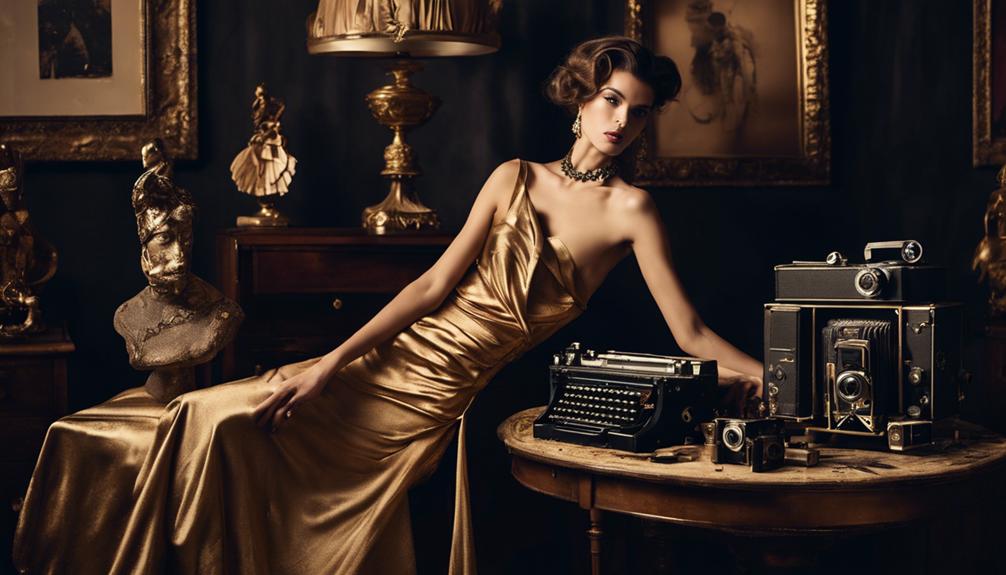
Fashion photography is a nuanced art form that transcends mere product promotion, instead, it's a powerful medium that captures the essence of style, conveys attitude, and tells stories that evoke emotions and explore themes. Through the lens, photographers craft narratives that shape cultural narratives and evoke emotions. Creativity and individuality are key, as photographers experiment with lighting, composition, and styling to create unique and artistic expressions. As the industry continues to evolve, technology and innovation will further shape the future of fashion photography, offering new possibilities for capturing style and telling stories.
The Art of Fashion Storytelling
Through the careful composition of models, props, and settings, fashion photographers weave intricate narratives that transport viewers into a world of style and sophistication. These visual storytellers masterfully craft scenes that not only showcase garments but also evoke emotions, convey attitudes, and explore themes. By thoughtfully selecting every element, from the model's expression to the background's texture, photographers create a rich tapestry of meaning that transcends mere product promotion.
The art of fashion storytelling is a delicate balance of creative vision, technical expertise, and attention to detail. Photographers must consider the brand's aesthetic, the season's trends, and the target audience's preferences to craft a narrative that resonates with the viewer. A single image can convey a sense of glamour, nostalgia, or rebellion, inviting the viewer to step into the world of the fashion brand. The most effective stories often blur the line between reality and fantasy, teasing the viewer's imagination and sparking a desire to engage with the brand on a deeper level.
As the boundaries between art and commerce continue to blur, the role of fashion photography in shaping cultural narratives becomes increasingly significant. By harnessing the power of visual storytelling, fashion photographers inspire, provoke, and reflect the world around us, leaving an indelible mark on the fashion industry and beyond.
Behind the Lens Creativity
Beyond the domain of technical expertise, fashion photographers rely on an innate sense of creativity to infuse their images with a distinctive visual language that captivates and inspires. This creative spark is what elevates their work from mere documentation to artistic expression. It is the ability to envision and craft a unique narrative, often blurring the lines between reality and fantasy.
Behind the lens, creativity manifests in various forms. It may be the intuitive sense of composition, guiding the photographer to frame the subject in a way that tells a story. Or, it could be the bold experimentation with unconventional techniques, pushing the boundaries of what is considered acceptable in the fashion world. The most innovative photographers are those who dare to challenge conventions, injecting their images with a sense of surprise and unpredictability.
The creative process is often intuitive, with photographers drawing inspiration from their surroundings, personal experiences, and cultural references. They may incorporate subtle nuances, such as subtle color palettes or textures, to evoke a specific mood or atmosphere. By embracing their individuality and creative vision, fashion photographers are able to produce images that not only showcase the clothes but also convey a sense of timelessness and emotional resonance. As a result, their work transcends the world of mere fashion photography, becoming a form of artistic expression that leaves a lasting impression on the viewer.
Lighting the Fashion Scene
Mastering the art of lighting is vital in fashion photography, as it can elevate the subject, accentuate textures, and create a mood that resonates with the viewer. Lighting can transform a simple scene into a dramatic, high-fashion setting, making it an essential element in capturing the essence of style.
| Lighting Technique | Effect on Image |
|---|---|
| Natural Light | Soft, effortless, and romantic ambiance |
| High-Key Lighting | Bright, airy, and minimalist aesthetic |
| Low-Key Lighting | Dramatic, moody, and intense atmosphere |
| Backlighting | Highlights textures, creates depth, and adds dimension |
| Sidelighting | Accentuates curves, creates volume, and adds drama |
When it comes to lighting the fashion scene, photographers have a range of techniques at their disposal. Natural light, for instance, can create a soft, effortless ambiance, while high-key lighting can produce a bright, airy aesthetic. On the other hand, low-key lighting can create a dramatic, moody atmosphere, perfect for showcasing bold, avant-garde designs. By experimenting with different lighting techniques, photographers can push the boundaries of fashion photography, creating images that are both visually stunning and thought-provoking. Moreover, lighting can significantly enhance the narrative behind the fashion being portrayed, helping to convey emotions or themes that resonate with the audience. Just as a well-lit photograph can elevate the appeal of an outfit, the same attention to detail can be applied to other aspects of life, such as when considering minimalist travel packing tips. By adopting a thoughtful approach to both lighting and packing, one can not only streamline their photography sessions but also ensure they are prepared for any adventure that lies ahead.
Capturing the Essence of Style
One of the greatest challenges in fashion photography is capturing the essence of style, which lies at the intersection of aesthetics, attitude, and authenticity. It's a critical balance that requires a deep understanding of the subject, the environment, and the narrative being told. A stylish image is not just about aesthetics; it's about conveying a sense of confidence, sophistication, and personality.
To capture the essence of style, photographers must look beyond the surface level of fashion and explore the emotional and psychological aspects of the subject. This involves creating a connection with the model, understanding their personality, and bringing out their unique characteristics. The goal is to create an image that not only showcases the fashion but also tells a story, evokes an emotion, and leaves a lasting impression.
Lighting, composition, and styling all play an important role in capturing the essence of style. The photographer must carefully consider the interplay of textures, colors, and shapes to create an image that is visually stunning and emotionally resonant. The result is an image that transcends mere fashion photography and becomes a work of art that inspires and influences. By capturing the essence of style, fashion photographers can create images that are not only beautiful but also thought-provoking and memorable.
Evolving Trends and Technologies
The rapid advancement of digital technologies has revolutionized the fashion photography industry, enabling photographers to experiment with innovative techniques and push the boundaries of creative expression. The proliferation of social media has also drastically altered the way fashion photography is consumed, with Instagram and other platforms providing a global stage for photographers to showcase their work. This shift has led to a increased focus on visual storytelling, with photographers incorporating motion, video, and interactive elements into their portfolios.
The rise of CGI (Computer-Generated Imagery) and 3D modeling has further expanded the possibilities of fashion photography, allowing for the creation of surreal, otherworldly environments and models that defy the laws of physics. The use of drones, virtual reality, and augmented reality is also becoming more prevalent, enabling photographers to capture unique perspectives and immersive experiences.
As technology continues to evolve, fashion photographers are being challenged to adapt and innovate, incorporating new tools and techniques into their work. This has led to a proliferation of innovative and avant-garde imagery, pushing the boundaries of what is possible in fashion photography. As the industry continues to evolve, one thing is certain – the future of fashion photography will be shaped by the intersection of technology, creativity, and innovation.
Frequently Asked Questions
What Is the Ideal Camera Equipment for a Fashion Photography Starter Kit?
Did you know that 75% of fashion photographers use digital single-lens reflex (DSLR) cameras? For a fashion photography starter kit, ideal camera equipment includes a high-quality DSLR or mirrorless camera with a full-frame sensor, a 50mm prime lens for stunning portraits, and a 24-70mm zoom lens for versatility. Additionally, a tripod, external flash, and remote shutter release will help you capture crisp, high-fashion images.
Can a Fashion Photographer Work Independently Without an Agent or Agency?
As a freelance professional, a fashion photographer can indeed work independently without an agent or agency. This allows for greater creative control and flexibility in projects. By building a strong online presence, networking, and marketing their services, photographers can directly connect with clients and negotiate their own rates. However, having an agent or agency can provide access to exclusive opportunities and negotiations, making it essential to weigh the benefits of each approach.
How Does a Photographer Build a Portfolio With Limited Resources?
"Building a portfolio with limited resources? That's like asking a chef to whip up a gourmet meal with an empty pantry. Yet, resourcefulness is the mother of innovation. Start by leveraging social media platforms to showcase your work, collaborate with up-and-coming models and stylists, and repurpose everyday settings as makeshift studios. With creativity and perseverance, a stunning portfolio can emerge from the most modest of beginnings."
What Are the Necessary Skills for a Successful Fashion Photography Career?
To thrive in the competitive world of fashion photography, a successful photographer must possess a multifaceted skill set. Creativity, attention to detail, and strong communication skills are essential. Technical proficiency in camera operation, lighting, and editing software is also important. Additionally, an understanding of current fashion trends, an ability to work under pressure, and a keen eye for composition are essential.
Can a Fashion Photographer Specialize in a Specific Niche or Genre?
In the world of fashion photography, specialization is a viable path to success. By focusing on a specific niche or genre, photographers can develop a unique visual language and expertise, setting them apart in a competitive industry. This targeted approach allows for a deeper understanding of the subject matter, enabling photographers to craft distinctive, high-caliber work that resonates with their audience and attracts like-minded clients.
