

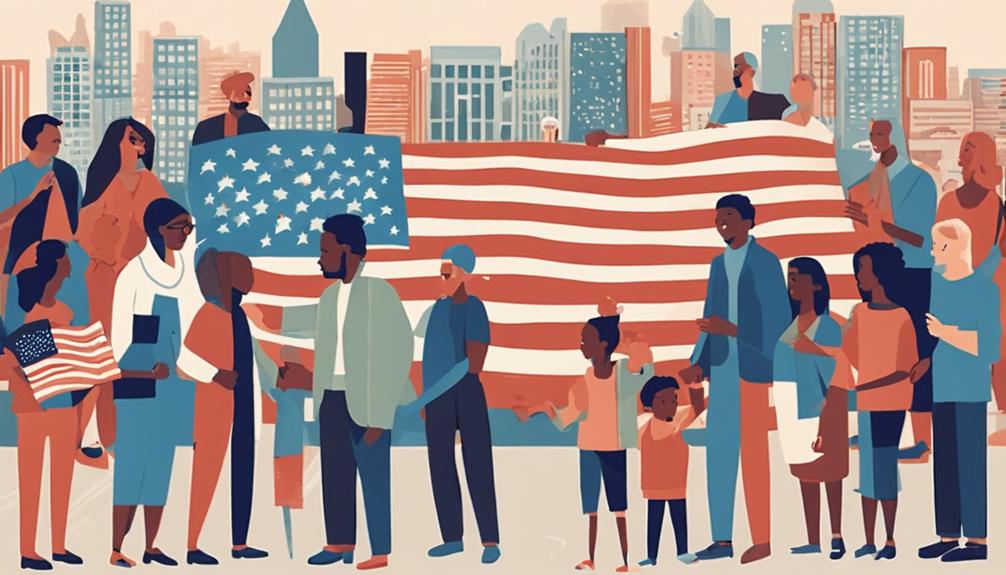
You're likely unaware that small donors, not big money, hold the key to successful grassroots fundraising in political campaigns. By focusing on building personal connections with small donors, you can create a loyal base of everyday supporters who are invested in your campaign's success. Small donations can add up quickly, and with the right approach, you can exceed fundraising totals of campaigns relying on big donors. As you learn more about the power of grassroots fundraising, you'll discover how to amplify your campaign message, empower everyday people, and create a sustainable movement that drives real change.
Building a Loyal Donor Base
To build a loyal donor base, start by identifying and nurturing relationships with small, repeat donors who are more likely to become consistent supporters of your political campaign. These individuals are the lifeblood of your grassroots fundraising efforts, providing a foundation of reliable support that can help propel your campaign forward. By focusing on these donors, you'll be able to build a loyal following that will stand by your side throughout the election cycle.
You'll want to prioritize building personal connections with these donors, taking the time to learn about their interests, values, and motivations. This will enable you to tailor your messaging and engagement strategies to resonate with them on a deeper level. As you nurture these relationships, you'll find that your donors become more invested in your campaign, feeling a sense of ownership and responsibility for its success.
The Power of Small Donations
How much can you really raise from small donations, and is it worth the effort? The answer might surprise you. While it's true that large donors often get the most attention, small donations can add up quickly. In fact, campaigns that focus on small donors often find that their overall fundraising totals exceed those of campaigns relying on big donors. This is because small donors are more likely to give repeatedly, and their collective contributions can be significant.
You might be thinking, 'But I'm not sure I can raise significant funds from small donors.' However, consider this: if you have 1,000 supporters giving just $10 each, that's $10,000 in your campaign's coffers. And it's not just about the money; small donors are often more invested in your campaign's success, as they've put their own hard-earned cash on the line. This can lead to a more dedicated volunteer base and a stronger grassroots movement.
The beauty of small donations lies in their accessibility. Anyone can contribute, regardless of their financial situation. This democratization of fundraising creates a sense of ownership among donors, fostering a deeper connection to your campaign. So, yes, it's worth the effort to focus on small donations. By doing so, you'll not only raise significant funds but also build a loyal, engaged community that will help propel your campaign forward.
Why Grassroots Matters in Politics
As you've seen the power of small donations, you're likely wondering why grassroots fundraising is more than just a means to an end – it's a fundamental aspect of building a strong, sustainable political movement. You're not just collecting dollars; you're building a community that shares your vision. Grassroots fundraising isn't just about raising money; it's about creating a sense of ownership and investment among your supporters.
When you engage in grassroots fundraising, you're not just asking for donations – you're giving people a stake in your campaign. You're telling them that their contribution, no matter how small, is vital to your success. This fosters a sense of belonging and responsibility, encouraging supporters to become advocates and ambassadors for your cause.
Grassroots fundraising also helps you build a diverse, broad-based coalition of supporters. By relying on small donations from many people, you're not beholden to a few wealthy donors. This means you're free to pursue your vision, unencumbered by special interests or conflicting agendas. You're building a movement that's truly of the people, by the people, and for the people. By embracing grassroots fundraising, you're not just raising money – you're building a movement that will last long after the election is over.
Amplifying Your Campaign Message
As you work to amplify your campaign message, you'll need to craft a narrative that resonates with your audience. You'll want to leverage visual storytelling techniques to make your message more relatable and memorable. By speaking in an authentic voice, you'll build trust with your supporters and set your campaign up for long-term success.
Craft Compelling Messaging
You need a clear, concise, and compelling message that resonates with your target audience and sets your campaign apart from the competition. This message is the foundation of your campaign, and it's what will drive your fundraising efforts forward. To craft a compelling message, you need to understand your audience's values, concerns, and motivations. What are their pain points, and how can you address them? What are their aspirations, and how can you help them achieve them? By understanding your audience, you can tailor your message to speak directly to them, making them feel seen, heard, and understood.
Your message should be simple, yet powerful. It should be easy to remember, and easy to share with others. Avoid using jargon or overly complex language that might confuse or alienate your audience. Instead, focus on using storytelling techniques to bring your message to life. Share personal anecdotes, highlight relatable examples, and use vivid imagery to make your message more relatable and memorable. By crafting a compelling message, you'll be able to connect with your audience on a deeper level, inspiring them to take action and support your campaign.
Leverage Visual Storytelling
Visual storytelling is a powerful tool that can amplify your campaign message, allowing you to convey complex ideas and emotions in a way that resonates deeply with your audience. By using compelling visuals, you can break down barriers and create a sense of community with your supporters. When you share your story through images, videos, or graphics, you're providing your audience a glimpse into your values and mission. This helps build trust and fosters a sense of belonging among your supporters.
To leverage visual storytelling effectively, focus on authenticity and consistency. Use high-quality, relevant images that reflect your campaign's tone and message. Consider creating a visual brand guide to guarantee consistency across all your platforms. Don't be afraid to showcase the people behind your campaign, including volunteers, supporters, and even yourself. By putting faces to names, you're humanizing your campaign and creating a personal connection with your audience. Remember, visual storytelling is about more than just aesthetics – it's about creating an emotional connection that inspires action.
Authentic Voice Matters
Your unique voice is the key to differentiating your campaign and building a loyal following, so it's important to find an authentic tone that resonates with your target audience. When you speak from the heart, your message becomes more relatable, and people are more likely to engage with your campaign. It's vital to avoid sounding like every other politician, as this can lead to voter fatigue and apathy.
To amplify your campaign message, focus on:
- Being vulnerable: Share your personal story, and don't be afraid to show your emotions. This helps build a connection with your audience.
- Using conversational language: Avoid using jargon or overly complex terms that might confuse your audience. Instead, use everyday language that resonates with your target audience.
- Showing empathy: Put yourself in your audience's shoes and acknowledge their struggles. This helps build trust and understanding.
- Staying consistent: Consistency is key to building a strong brand. Make sure your message remains consistent across all platforms and communications.
Empowering Everyday People
Grassroots fundraising empowers everyday people by giving them a stake in the political process and a sense of ownership over the issues that matter most to them. You, as an individual, have the power to make a difference in the political landscape. By contributing to a campaign, you're not just donating money – you're investing in the future you want to see. You're telling the candidate that you believe in their vision and that you're willing to put your money where your mouth is.
When you're involved in grassroots fundraising, you're part of a community that shares your values and goals. You're not just a faceless donor; you're an essential part of the campaign's success. You'll receive updates on the campaign's progress, and you might even get to participate in exclusive events or discussions with the candidate. This sense of belonging is powerful, and it motivates you to stay engaged and keep fighting for the issues that matter most to you.
As you participate in grassroots fundraising, you'll start to feel a sense of pride and ownership over the campaign's success. You'll be more likely to volunteer, attend events, and spread the word about the campaign to your friends and family. This is what grassroots fundraising is all about – empowering everyday people like you to take action and create real change. So, take the first step today, and join the movement that's shaping the future of politics.
Creating a Sense of Ownership
As you work to create a sense of ownership among your supporters, you'll find that it's essential to build personal connections with them, empower local leaders to take charge, and advocate for a shared vision that resonates with everyone involved. By doing so, you'll create a sense of shared responsibility and motivation that will drive your grassroots fundraising efforts forward. By fostering this sense of ownership, you'll build a loyal and dedicated team that will help propel your campaign to success.
Building Personal Connections
By putting a face to the campaign, you're more likely to inspire supporters to take ownership of your cause. When people can put a face to the name, they're more invested in the outcome. This is especially true in grassroots fundraising, where personal connections can make all the difference.
As you build personal connections with your supporters, you'll find that they're more likely to:
- *Feel a sense of responsibility* for the campaign's success
- *Take initiative* to spread the word and recruit others
- *Offer valuable feedback* and insights to improve the campaign
- *Provide emotional support* during challenging times
Empowering Local Leaders
Identifying and empowering local leaders within your campaign can be a game-changer, allowing you to tap into their existing networks and create a sense of ownership among supporters. As you identify local leaders, you're not just finding volunteers – you're finding ambassadors who can champion your cause and rally others. By empowering them, you're giving them the autonomy to take ownership of specific aspects of your campaign, which can lead to a deeper sense of investment and commitment.
When you empower local leaders, you're also creating a sense of community within your campaign. You're showing your supporters that you value their input and trust them to make decisions. This, in turn, fosters a sense of belonging and motivates them to work harder for your campaign. As you empower local leaders, you'll start to see a ripple effect, where they, in turn, empower others, creating a grassroots movement that's driven by passion and dedication. By doing so, you'll build a strong foundation for your campaign, one that's fueled by the collective energy of your supporters.
Shared Vision Advocacy
You foster a sense of ownership among your supporters when you involve them in shaping your campaign's vision, allowing them to take pride in the movement and feel invested in its success. This is the essence of shared vision advocacy, where everyone feels like they're an integral part of the journey. By doing so, you create a sense of belonging, motivating your supporters to become passionate advocates for your cause.
Here are some ways to encourage shared vision advocacy in your campaign:
- Host town halls and community meetings: Provide a platform for supporters to share their thoughts, concerns, and ideas, making them feel heard and valued.
- Conduct surveys and polls: Engage your supporters in the decision-making process, giving them a sense of ownership over the campaign's direction.
- Create a volunteer advisory board: Empower a group of dedicated supporters to provide feedback and guidance, fostering a sense of responsibility and commitment.
- Celebrate milestones and successes: Recognize the efforts of your supporters, acknowledging their contributions to the campaign's progress and reinforcing their sense of ownership.
Leveling the Financial Playing Field
As campaign finance reform efforts gain momentum, small donors are emerging as a powerful force in leveling the financial playing field. You're probably wondering how this shift is impacting the political landscape. The answer lies in the democratization of fundraising. With the rise of small-donor empowerment, you're no longer beholden to special interest groups and wealthy benefactors. This new era of grassroots fundraising is all about you – the everyday citizen – having a say in who gets elected.
When you contribute to a campaign, you're not just donating money; you're sending a message. You're telling politicians that you care about the issues that matter most to you. And when thousands of people like you come together, your collective voices become a force to be reckoned with. This is especially important for candidates who might not have had a chance to compete against well-heeled opponents. By banding together, small donors are creating a more level playing field, where ideas and passion can trump deep pockets.
As you engage in grassroots fundraising, you're not just supporting a candidate; you're reshaping the political landscape. You're creating a system where politicians are accountable to the people, not just the wealthy few. This is what democracy looks like – where everyone has a stake, and everyone has a voice. So, keep giving, keep volunteering, and keep speaking out. Your contributions are building a movement that will change the face of politics forever.
The Rise of Online Fundraising
As you explore the rise of online fundraising, you'll notice that digital donation platforms have revolutionized the way campaigns collect funds. You'll see how these platforms enable secure, convenient, and transparent transactions that make donating easier than ever. By leveraging social media mobilization, you can amplify your campaign's online presence and reach a wider audience, increasing your chances of securing vital funding.
Digital Donation Platforms
Online fundraising has revolutionized the way political campaigns raise money, with digital donation platforms emerging as a game-changer in the world of grassroots fundraising. You're no longer limited to traditional fundraising methods like phone banking and in-person events. With digital donation platforms, you can reach a wider audience, increase engagement, and make it easy for supporters to contribute to your campaign.
Here are some benefits of using digital donation platforms:
- Easy and secure transactions: Donors can contribute with just a few clicks, and their information is kept secure.
- Customizable donation forms: You can tailor your donation forms to fit your campaign's brand and messaging.
- Real-time tracking: You can monitor your donations in real-time, making it easier to adjust your fundraising strategy.
- Automated receipts and thank-yous: Donors receive instant receipts and thank-you messages, making them feel valued and appreciated.
Social Media Mobilization
You can tap into the vast potential of social media to mobilize your supporters and amplify your fundraising efforts, leveraging platforms like Facebook, Twitter, and Instagram to reach a wider audience and drive donations. By creating engaging content, you can inspire your followers to take action and contribute to your campaign. Share behind-the-scenes glimpses of your campaign, highlight volunteer spotlights, and showcase the impact of donations. Use hashtags to track conversations, create a branded aesthetic, and schedule posts in advance to maximize reach.
You can also utilize social media advertising to target specific demographics, interests, and behaviors. This allows you to tailor your message to those most likely to support your cause. Shareable graphics, videos, and stories can help spread your message, making it easy for supporters to share with their networks. By leveraging social media, you can build a sense of community among your supporters, fostering a sense of belonging and encouraging them to take an active role in your campaign. With social media mobilization, the possibilities for grassroots fundraising are endless. Creating compelling calls to action through engaging posts can further enhance participation and drive donations. As you foster connections and share testimonials from supporters, you can amplify the impact of social media on campaigns, showing potential donors the real-world effects of their contributions. By consistently interacting with your audience and celebrating milestones, you not only increase visibility but also reinforce the shared values that motivate your community to rally around your cause.
Building a Sustainable Campaign
By focusing on building a loyal donor base, you'll create a sustainable campaign that can adapt to changing circumstances and maintain momentum over time. This loyal base will provide a solid foundation for your campaign, allowing you to weather any storms and stay focused on your message.
To build a sustainable campaign, you'll want to prioritize the following strategies:
- Diversify your donor base: Don't rely on a single large donor or funding source. Instead, cultivate a broad network of small and medium-sized donors who can provide a steady stream of support.
- Foster a sense of community: Create opportunities for donors to connect with each other and with your campaign. This can be done through events, social media groups, or volunteer opportunities.
- Show appreciation and transparency: Regularly express gratitude to your donors and provide them with updates on how their contributions are being used. This will help build trust and encourage repeat donations.
- Set realistic goals and timelines: Be honest with your donors about what you can achieve and when. This will help manage expectations and prevent burnout.
Engaging With Small Donors
Every small donor has the potential to become a loyal supporter, and engaging with them effectively can lead to a steady stream of donations and enthusiastic volunteers. As a campaigner, it's essential to recognize that small donors are the backbone of your grassroots fundraising efforts. They're the ones who will spread the word about your campaign, attend rallies, and encourage their friends and family to get involved.
To engage with small donors, you need to make them feel valued and appreciated. This can be as simple as sending a personalized thank-you note or making a phone call to express your gratitude. You can also create a sense of community by hosting exclusive events or offering behind-the-scenes updates on your campaign. By doing so, you'll make your small donors feel like they're part of something bigger than themselves.
It's also important to keep your small donors informed about your campaign's progress and the impact of their donations. Share stories about how their contributions are making a difference, and provide regular updates on your campaign's achievements. By doing so, you'll build trust and foster a sense of ownership among your small donors. Remember, every small donor has the potential to become a loyal supporter, and engaging with them effectively can lead to a steady stream of donations and enthusiastic volunteers.
The Impact of Local Support
In local communities, grassroots campaigns thrive on local support, which can be the difference between winning and losing an election. You, as a candidate, need to build strong relationships with your constituents to gain their trust and backing. This local support can translate to volunteers, endorsements, and most importantly, donations.
When you have the support of your community, you're more likely to:
- Get volunteers to help with canvassing, phone banking, and other campaign tasks
- Receive endorsements from local leaders and influencers, which can boost your credibility
- Gain access to local networks and resources that can help spread your message
- Attract small donors who are invested in your campaign and want to see you succeed
Competing With Big Money
You're likely to face stiff competition from well-funded opponents who can pour big money into their campaigns, making it tough to get your message heard. It's a challenging task, but don't let it discourage you. You can still make your voice heard and compete with big money by focusing on grassroots fundraising.
Here's a comparison of big money vs. grassroots fundraising:
| Big Money | Grassroots Fundraising |
|---|---|
| Focus on wealthy donors | Focus on local supporters |
| High-cost advertising | Personal, community engagement |
| Often out-of-state funding | Local, in-state funding |
| May lead to voter distrust | Builds trust and community |
As you can see, grassroots fundraising offers a unique advantage. By focusing on local supporters and personal engagement, you can build a strong, loyal base of supporters who will advocate for your campaign. This approach may not bring in as much money, but it can lead to a stronger, more dedicated community that will help spread your message.
While big money can buy ads and publicity, it can't replace the power of genuine, local support. By leveraging the energy and enthusiasm of your community, you can create a campaign that resonates with voters and inspires real change. So, don't be intimidated by big money – focus on building a grassroots movement that will propel your campaign to success.
Grassroots Fundraising Success Stories
From Bernie Sanders' 2016 presidential campaign to local city council races, grassroots fundraising has propelled numerous candidates to victory, often against better-funded opponents. You, as a supporter, have played an essential role in these successes. By contributing small amounts of money, you've helped level the playing field and give a voice to candidates who might have otherwise been drowned out by big money.
These successes aren't limited to high-profile races. You've also helped elect local officials, pass ballot initiatives, and drive social change. Here are just a few examples:
- *In 2017, a grassroots fundraising campaign helped elect a record number of women to the Virginia state legislature.*
- *In 2018, a coalition of activists used grassroots fundraising to raise over $1 million for a successful ballot initiative to increase the minimum wage in Missouri.*
- *In 2019, a grassroots campaign helped elect a progressive mayor in a small town in Wisconsin, defeating an incumbent backed by big donors.*
- *In 2020, a grassroots fundraising effort helped a challenger unseat an incumbent congressman in a contentious primary race.*
These stories demonstrate the power of grassroots fundraising to drive real change. By pooling your resources with those of like-minded individuals, you can help create a more just and equitable society. So, keep giving, keep volunteering, and keep believing in the power of people-driven politics. Together, you can achieve remarkable things.
Frequently Asked Questions
How Do I Ensure My Campaign's Grassroots Fundraising Is Legally Compliant?
To guarantee your fundraising efforts stay on the right side of the law, you'll want to register with the Federal Election Commission (FEC) and obtain any necessary state or local permits. You'll also need to disclose donor information, report contributions, and stay within contribution limits. Don't risk fines or legal trouble – stay compliant by following FEC guidelines and consulting with a campaign finance expert if needed.
Can I Use Social Media Influencers to Boost Grassroots Fundraising Efforts?
You're wondering if social media influencers can amplify your grassroots fundraising efforts. The answer is, absolutely! Partner with influencers who share your values and have an engaged audience. They can help spread your message, increase visibility, and drive donations. Just make sure you clearly disclose their involvement and comply with regulatory guidelines. With influencers on board, you'll tap into new networks and boost your fundraising potential.
What Is the Ideal Ratio of Small to Large Donations for a Campaign?
You're probably thinking, "A million bucks from one donor or a thousand bucks from a thousand donors?" The ideal ratio of small to large donations is a sweet spot you're searching for. Here's the deal: aim for 70% of your funds to come from small donations (under $100) and 30% from larger ones. This mix will make your campaign look like a grassroots powerhouse, and donors will feel like they're part of something big!
How Can I Convert One-Time Donors Into Recurring Grassroots Supporters?
You want to turn one-time donors into loyal advocates. Start by thanking them personally, making them feel valued and part of something bigger. Then, share stories of impact, showing how their donation made a difference. This emotional connection will keep them invested. Next, offer ways to get involved, like volunteering or spreading the word. By building a relationship, you'll convert them into recurring supporters who'll stand by your side.
What Role Does Voter Data Play in Targeted Grassroots Fundraising Efforts?
You're likely wondering how to precision-target your grassroots fundraising efforts. The answer lies in voter data. By analyzing demographics, voting history, and donation patterns, you can identify and engage with potential supporters who share your values. This targeted approach helps you build meaningful relationships, increasing the chances of converting one-time donors into loyal, recurring supporters. With voter data, you'll be able to tailor your message and outreach, fostering a sense of community and belonging among your supporters.
