

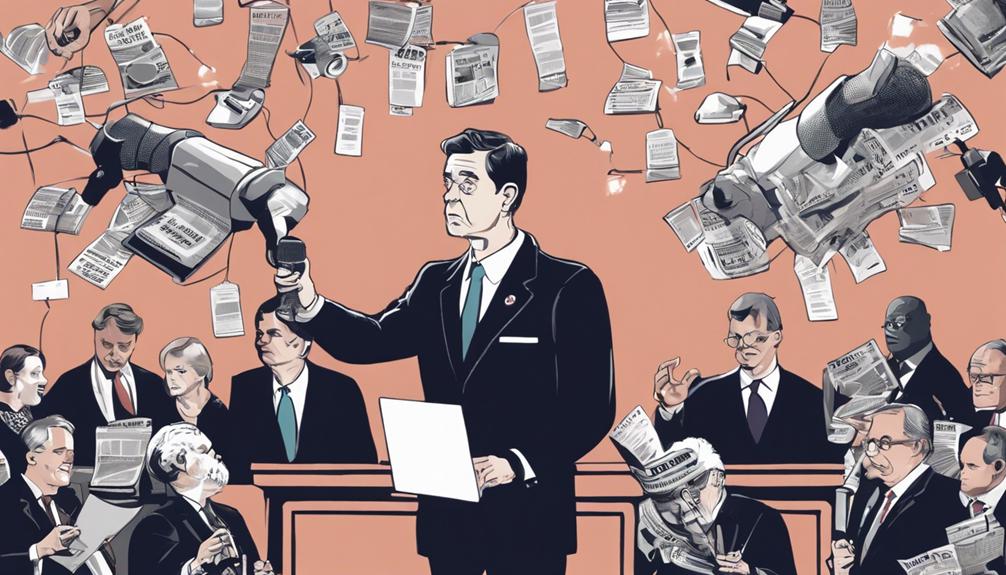
As you explore the role of social media in modern political campaigns, you’ll discover it’s a game-changer. Candidates leverage social media to shape their online personas, influencing voter perception. Targeted advertising and microtargeting help maximize reach and impact. Influencer endorsements can boost engagement and donations. Social media also fuels hashtag activism, driving social change and mobilizing supporters. But that’s just the beginning – you’ll uncover more about fact-checking, cybersecurity threats, online discourse, and the future of digital democracy. As you continue, the complexities of social media’s impact on modern political campaigns will come into sharper focus. Moreover, as the political landscape evolves, candidates must adapt their approaches to include effective social media strategies 2024 that resonate with an increasingly digital-savvy electorate. This entails not only maintaining a consistent online presence but also engaging in genuine conversations with voters to foster trust and authenticity. The ability to navigate this dynamic environment can ultimately determine the success of a campaign in a world where every tweet, post, and share can sway public opinion.
Social Media's Rise to Prominence
Since the early 2000s, you've witnessed social media's exponential growth, transforming from a niche online community to a global phenomenon that has revolutionized the way people interact, share information, and engage in political discourse. You've seen how social media platforms like Facebook, Twitter, and Instagram have become an integral part of our daily lives, connecting people across geographical boundaries and fostering a sense of community.
You're part of a generation that's grown up with social media, and you've seen how it's changed the way you consume news, share your thoughts, and engage with others. You've likely used social media to stay updated on current events, participate in online discussions, and even mobilize for social causes. Social media has given you a voice, allowing you to express yourself, share your opinions, and connect with like-minded individuals.
As social media continues to evolve, you're seeing a shift in how people engage with politics. You're no longer limited to traditional news sources or town hall meetings; you can now engage directly with politicians, attend virtual rallies, and participate in online activism. Social media has democratized political discourse, giving you a platform to raise your voice and be heard. You're part of a generation that's redefining the way politics is done, and social media is at the forefront of this revolution.
Candidates' Online Persona Matters
As you engage with politicians online, you're not just evaluating their policies, but also their online persona, which has become a critical factor in shaping your perception of their character and credibility. You're likely to form an opinion about a candidate based on how they present themselves online, from the tone of their tweets to the stories they share on Instagram. It's not just about what they say, but also how they say it – their language, tone, and even emojis can give you a sense of who they are and what they stand for.
In today's digital age, a candidate's online persona can make or break their campaign. A strong online presence can humanize a candidate, making them more relatable and accessible to voters. On the other hand, a poorly managed online presence can raise doubts about a candidate's authenticity and likability. You're more likely to trust and support a candidate who comes across as genuine, transparent, and empathetic online. As you scroll through your social media feeds, you're not just consuming information – you're also forming an impression of the candidate's character. By presenting a consistent and authentic online persona, candidates can build a connection with you, the voter, and ultimately influence your decision at the polls.
Targeted Advertising and Microtargeting
As you explore the world of targeted advertising and microtargeting in modern political campaigns, you'll notice that ad spending strategies play a pivotal role in reaching specific voter demographics. You'll see how campaigns analyze voter data to craft tailored messages that resonate with their target audience. By examining these strategies, you'll gain insight into how political campaigns effectively allocate their advertising budgets to maximize their reach and influence.
Ad Spending Strategies
By allocating a significant portion of their budget to targeted online ads, political campaigns can reach their desired audience with precision, maximizing the impact of their message. You can tailor your ads to specific demographics, interests, and behaviors, guaranteeing that your message resonates with the people who matter most. This approach allows you to target potential voters who are likely to be swayed by your campaign's message, increasing the effectiveness of your ad spend.
With targeted advertising, you can also microtarget specific groups within your desired audience. For instance, you can create ads that appeal to young adults, seniors, or specific ethnic groups. This level of precision is vital in modern political campaigns, where every vote counts. By allocating your ad spend wisely, you can make certain that your message reaches the right people at the right time, giving you a competitive edge in the campaign. By leveraging targeted online ads, you can maximize your campaign's impact and reach, ultimately driving more votes to the polls.
Voter Data Analysis
You can tap into the power of voter data analysis to uncover valuable insights about your target audience, allowing you to craft targeted ads that resonate with them on a deeper level. By leveraging voter data, you'll gain a better understanding of your audience's demographics, interests, and behaviors. This information enables you to create highly targeted ads that speak directly to their concerns and values. Microtargeting takes this approach a step further, allowing you to tailor your messaging to specific voter segments, such as undecided voters or loyal supporters.
With voter data analysis, you can identify key trends and patterns that inform your advertising strategy. For instance, you might discover that your target audience is particularly concerned about education or healthcare. By creating ads that address these issues, you'll build a stronger connection with your audience and increase the likelihood of winning their support. By harnessing the power of voter data analysis, you'll be able to build a more effective and targeted advertising campaign that resonates with your audience on a deeper level.
The Power of Influencer Endorsements
In today's digital landscape, a single endorsement from a popular influencer can catapult a political candidate to overnight fame, dramatically altering the course of their campaign. You might be wondering, what makes influencer endorsements so powerful? The answer lies in their massive followings and the trust they've built with their audience. When an influencer backs a candidate, their followers are more likely to take notice and consider supporting that candidate.
| Influencer | Followers |
|---|---|
| Kylie Jenner | 220 million |
| Cristiano Ronaldo | 245 million |
| Dwayne 'The Rock' Johnson | 200 million |
| Ariana Grande | 180 million |
| Taylor Swift | 140 million |
As you can see, these influencers have enormous reach and can greatly amplify a candidate's message. When they share a post or tweet about a candidate, it can lead to a surge in engagement, website traffic, and even donations. Additionally, influencers can help candidates connect with specific demographics, such as younger voters or particular ethnic groups. By partnering with influencers who align with their values and target audience, candidates can tap into existing networks and build a stronger online presence. As you navigate the complex world of political campaigns, remember that influencer endorsements can be a game-changer – and you don't want to miss out on this opportunity.
Hashtag Activism and Social Change
As you explore the domain of hashtag activism, you'll soon realize that online protests can be an effective way to raise awareness about social issues. But, you'll also need to ponder whether these online movements can catalyze real-world change, and what their limitations are in driving tangible outcomes. By examining the efficacy of online protests, the catalysts of social change, and the limits of digital activism, you'll gain a deeper understanding of the complex dynamics at play.
Online Protest Efficacy
Social media platforms have become an essential battleground for modern-day activists, who harness the power of hashtag activism to mobilize supporters and bring about social change. You, as a digital native, are likely familiar with the viral nature of hashtag campaigns, where a single tweet or post can spark a global conversation. But have you ever stopped to think about the efficacy of these online protests? Can a hashtag really bring about tangible change? The answer is, it's complicated. While online activism can raise awareness and mobilize supporters, it often falls short of translating into offline action. You might be left wondering, what's the point of it all? However, it's essential to recognize that online protests can be a vital first step in building a movement. They provide a platform for marginalized voices to be heard and can help create a sense of community and belonging among like-minded individuals. As you engage in online activism, remember that it's just the beginning – the real work starts when you take your passion offline and into your community.
Social Change Catalysts
You've likely participated in or witnessed hashtag campaigns that sparked widespread conversations, but have you ever wondered what makes them so effective at catalyzing social change? Social media platforms have become a breeding ground for hashtag activism, and it's undeniable that they've played a significant role in shaping public opinion and inspiring collective action.
Here are 4 key reasons why hashtag campaigns are so effective in driving social change:
- Amplification of marginalized voices: Hashtag campaigns provide a platform for underrepresented groups to raise awareness about their struggles and concerns.
- Rapid mobilization: Social media enables rapid mobilization of people around a shared cause, allowing for swift action and response to social injustices.
- Mainstream media attention: Viral hashtag campaigns often catch the attention of mainstream media outlets, further amplifying the message and reaching a broader audience.
- Sustained momentum: Effective hashtag campaigns can maintain momentum over time, fostering a sense of community and encouraging continued engagement.
Digital Activism Limits
Here's the output:
While hashtag campaigns can be powerful catalysts for social change, their limitations and potential drawbacks cannot be ignored in the pursuit of meaningful digital activism. You might be passionate about a cause, but simply tweeting about it doesn't automatically translate to tangible results. In fact, critics argue that hashtag activism can create a false sense of accomplishment, making you feel like you've made a difference when, in reality, you've only scratched the surface. Additionally, the ephemeral nature of social media means that your message can quickly get lost in the noise, failing to spark lasting change.
You're not alone in your desire to make a difference, but you must recognize that true activism requires more than just online engagement. It demands dedication, persistence, and a willingness to take offline action. So, the next time you're tempted to simply tweet about a cause, remember that real change requires more than just a hashtag. You have the power to create meaningful change, but it starts by acknowledging the limits of digital activism and taking concrete steps towards making a lasting impact.
Social Media's Impact on Voter Turnout
As you scroll through your social media feeds, you're likely to encounter political advertisements, campaign updates, and get-out-the-vote reminders, all of which can greatly influence your decision to head to the polls. Social media platforms have become essential tools for political campaigns, allowing them to target specific demographics and mobilize supporters. But do these efforts actually translate to increased voter turnout?
Research suggests that social media can have a significant impact on voter participation. Here are a few ways social media can drive voter turnout:
- Personalized messaging: Targeted ads and messages can resonate with individual voters, making them feel seen and heard.
- Voter registration drives: Social media campaigns can simplify the registration process, making it easier for people to get registered and vote.
- Get-out-the-vote reminders: Timely reminders and encouragement from social media influencers can motivate people to cast their ballots.
- Community building: Social media can create a sense of community among voters, fostering a sense of belonging and encouraging people to participate in the democratic process.
Fact-Checking in the Digital Age
As you navigate the digital landscape, you're constantly bombarded with information, making it important to develop a keen eye for fact-checking. You need to know how to verify online information, separate fact from fiction, and debunk fake news. By doing so, you'll be better equipped to make informed decisions and avoid spreading misinformation.
Verifying Online Information
You're constantly bombarded with information online, and it's up to you to verify the accuracy of what you read, a task that's becoming increasingly important in today's digital age. With the rise of social media, it's easier than ever to spread misinformation, making it vital to develop a keen eye for fact-checking.
As you navigate the online world, remember these essential tips to verify online information:
- Check the source: Make sure the information comes from a credible and trustworthy source.
- Look for corroboration: Verify information by cross-checking with other reputable sources.
- Be wary of emotional appeals: Be cautious of information that appeals to emotions rather than logic.
- Evaluate the language: Be skeptical of sensational or inflammatory language, which can be indicative of biased or misleading information.
Debunking Fake News
When traversing the vast expanse of online information, it's important to develop a strong fact-checking strategy to debunk fake news and misinformation that can have far-reaching consequences in the digital age. You're likely to come across conflicting information, and it's essential to separate fact from fiction. Start by evaluating the credibility of the source. Is it a reputable news organization or a biased blog? Check the author's credentials and the date of publication. Be cautious of sensational headlines and always read beyond the title. Verify information through multiple sources, and don't be afraid to fact-check claims that seem too good (or bad) to be true. It's also vital to recognize your own biases and try to approach information with a critical eye. By being proactive and diligent, you can avoid spreading misinformation and make informed decisions. Remember, in the digital age, fact-checking is everyone's responsibility.
Digital Fact-Checking Tools
To amplify your fact-checking efforts, utilize digital tools that help you quickly verify information and debunk false claims, such as browser extensions like NewsGuard or Fact Checker, which provide instant credibility ratings and warnings about suspicious sites. These tools are essential in today's digital landscape, where misinformation spreads like wildfire. By leveraging these tools, you'll be better equipped to navigate the vast expanse of online information and separate fact from fiction.
Here are some key digital fact-checking tools to add to your arsenal:
- Snopes: Debunks urban legends, myths, and misinformation.
- FactCheck.org: Monitors the factual accuracy of what is said by major political players.
- PolitiFact: Rates the accuracy of claims made by politicians and others.
- Lead Stories: Debunks fake news and hoaxes.
Cybersecurity Threats to Campaigns
In recent years, nearly 90% of political campaigns have reported falling victim to some form of cyberattack, highlighting the significance of cybersecurity threats to campaigns. As you explore the world of political campaigns, it's essential to recognize that cybersecurity is no longer a peripheral concern, but a central pillar of campaign strategy. You can't afford to underestimate the impact of cyber threats on your campaign's integrity and reputation.
You're not just a target for hackers; you're a prime target. Political campaigns are goldmines for sensitive information, from donor lists to internal communications. A single breach can have devastating consequences, compromising your campaign's credibility and undermining trust with your supporters. Additionally, the sheer volume of online engagement and data collection in modern campaigns creates a vast attack surface for cybercriminals to exploit.
You must take proactive measures to safeguard your campaign's digital infrastructure. This includes implementing robust password policies, regularly updating software, and conducting thorough background checks on staff and vendors. It's also essential to educate your team on cybersecurity best practices, ensuring that everyone is aware of the risks and consequences of cyberattacks. By prioritizing cybersecurity, you can protect your campaign from the ever-present threat of cyberattacks and maintain the trust of your supporters.
Online Discourse and Hate Speech
You can't afford to underestimate the darker side of online engagement, where hate speech and toxic online discourse can quickly derail your campaign's message and reputation. As a political campaigner, you're likely no stranger to the benefits of social media, but it's important to acknowledge the risks involved. Online hate speech can be particularly damaging, as it can spread rapidly and reach a massive audience in a short span of time.
To mitigate these risks, it's essential to be proactive in monitoring and addressing online hate speech. Here are some key takeaways to keep in mind:
- Set clear boundaries: Establish a clear code of conduct for online engagement, making it clear what types of speech won't be tolerated.
- Monitor and report: Regularly monitor online activity and report any instances of hate speech to the platform or authorities.
- Engage with critics constructively: Address criticisms and concerns in a respectful and constructive manner, avoiding confrontations that can escalate into hate speech.
- Foster a positive online community: Encourage respectful dialogue and create a safe online space for supporters to engage with your campaign.
The Future of Digital Democracy
As social media continues to reshape the political landscape, its transformative power raises important questions about the future of democratic participation and the role of technology in facilitating citizen engagement. You, as a citizen, are likely wondering what this means for the future of democracy. Will social media platforms continue to amplify marginalized voices, or will they perpetuate existing power structures? The answer lies in how we choose to harness the power of technology to create a more inclusive and participatory democracy.
| Digital Democracy Features | Benefits for Citizens |
|---|---|
| Online Voting Systems | Increased accessibility and convenience |
| Social Media Town Halls | Direct engagement with elected officials |
| Digital Petition Platforms | Amplified voices for marginalized groups |
| AI-Powered Policy Analysis | Data-driven decision making |
As you navigate the digital democratic landscape, you'll encounter innovative tools and platforms designed to enhance civic engagement. Online voting systems, for instance, can increase accessibility and convenience for citizens with disabilities or those living in remote areas. Social media town halls enable direct engagement with elected officials, fostering accountability and transparency. Digital petition platforms amplify marginalized voices, while AI-powered policy analysis provides data-driven decision making. The future of digital democracy is yours to shape. Will you be an active participant in shaping the course of democracy, or will you let others define the future for you?
Frequently Asked Questions
Can Social Media Platforms Regulate Political Advertising Effectively?
As you navigate the online world, you're constantly bombarded with targeted ads, making you wonder: can social media platforms regulate political advertising effectively? The answer isn't a simple yes or no. You see, they can try, but it's like trying to hold water in your hands – it'll always slip through the cracks. They can set rules, but it's up to you to stay vigilant and critically evaluate the information you're fed.
How Do Candidates Measure the Success of Their Online Campaigns?
As you navigate the world of online political campaigns, you're probably wondering how candidates measure their success. You're not alone! Candidates track engagement metrics like likes, shares, and comments to gauge their online impact. They also analyze website traffic, email open rates, and donation conversions to see if their message is resonating. By monitoring these key performance indicators, you'll get a sense of whether your online efforts are paying off.
Are Influencers Required to Disclose Sponsored Political Content?
Coincidentally, you're probably familiar with those #ad posts from your favorite influencers. But, do they really need to disclose sponsored political content? As you scroll through your feeds, it's essential to know that, yes, influencers are required to clearly label sponsored political posts. The Federal Trade Commission (FTC) guidelines dictate transparency, ensuring you, the voter, aren't misled. You deserve to know when a post is paid for, especially when it comes to political agendas.
Can Social Media Algorithms Inadvertently Sway Voter Opinions?
You're probably wondering if social media algorithms can accidentally influence your opinions on politics. The answer is yes, they can. These algorithms prioritize content that sparks engagement, often amplifying sensational or provocative posts. As you scroll, you're exposed to a curated feed that reinforces your existing beliefs, making it difficult to form unbiased opinions. This echo chamber effect can sway your views without you even realizing it.
Do Online Echo Chambers Hinder Constructive Political Discourse?
You're likely familiar with the phenomenon where you're surrounded by like-minded individuals online, creating a cozy comfort zone. But, let's be real, these virtual bubbles can stifle meaningful exchanges. When you're only exposed to similar views, it's challenging to engage in constructive debates. You might find yourself reinforcing existing beliefs rather than exploring diverse perspectives. This can lead to a stagnant, unproductive discourse, hindering your growth and understanding of the world around you.
