

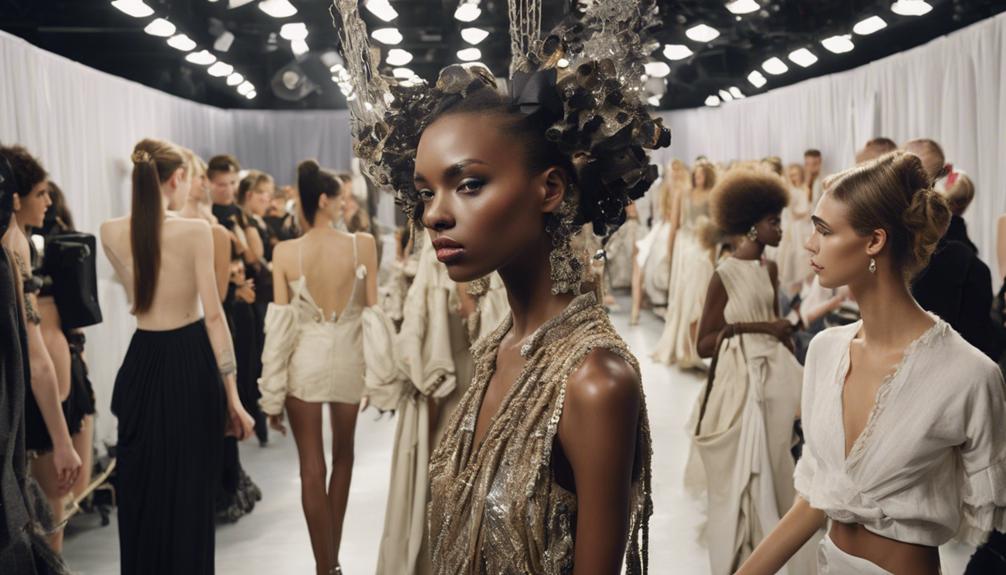
Organizing a major fashion show is a multifaceted endeavor that requires meticulous planning and creative vision. It begins with conceptualizing a theme that sets the tone for the event, followed by assembling a team of professionals including producers, stylists, and technical staff. Securing sponsors and partners is vital for financial viability, while casting models and talent involves careful consideration of designer aesthetics and show themes. Effective set design, logistical planning, and budget management are also essential. With all elements in place, rehearsals and execution follow, culminating in a seamless and memorable event. As the curtains rise, the true extent of planning and creativity is revealed.
Conceptualizing the Show's Theme
A fashion show’s theme plays a vital role as the pivotal foundation upon which all subsequent decisions are built, making it an essential element in setting the tone and direction for the entire event. It is the thread that weaves together the creative vision, guiding the selection of models, music, lighting, and décor. A well-conceptualized theme not only captivates the audience but also provides a cohesive narrative that ties together the entire production. This thematic framework serves as a backdrop that highlights innovative designs, allowing designers to showcase their collections in a context that resonates with attendees. By drawing inspiration from various sources, such as art, culture, or significant social movements, the event can evoke iconic fashion moments in history, creating a sense of nostalgia while pushing contemporary boundaries. Ultimately, a thoughtfully crafted theme elevates the fashion show from a mere display of clothing to an immersive experience that leaves a lasting impression on all who witness it.
When conceptualizing the show's theme, it's important to take into account the target audience, brand identity, and the overall message to be conveyed. A theme can be inspired by anything from art movements to cultural heritage, nature, or even futuristic landscapes. The key is to identify a unique concept that resonates with the brand's aesthetic and appeals to the intended audience.
Effective theme development involves brainstorming, research, and creative exploration. It's essential to define the theme's core elements, including color palettes, textures, and visual motifs. This foundation will inform every aspect of the show, from the invitation design to the runway layout, ensuring a cohesive and immersive experience for attendees. By investing time and effort into conceptualizing a compelling theme, organizers can create an unforgettable fashion show that leaves a lasting impression on the audience.
Building the Dream Team
With a well-conceptualized theme in place, the next crucial step in organizing a successful fashion show is to assemble a skilled and dedicated team of professionals who can bring the vision to life. This dream team will comprise experts from various fields, each contributing their unique skills and expertise to guarantee a flawless execution.
At the helm of the team is the show producer, responsible for overseeing the entire production. They will work closely with the creative director, who will translate the theme into a cohesive visual narrative. A talented team of stylists, makeup artists, and hairstylists will work together to create stunning looks for the models. Backstage, a team of dressers, steamer operators, and wardrobe assistants will ensure that every outfit is immaculately prepared and ready for the runway.
The technical team, comprising lighting and sound engineers, will work their magic to create an immersive atmosphere. Meanwhile, the production manager will oversee the logistics, coordinating the setup, rehearsal, and show schedules. Rounding out the team are the models, who will bring the designs to life on the catwalk. By assembling a diverse, skilled, and dedicated team, the foundation is laid for a truly unforgettable fashion show.
Securing Sponsors and Partners
Having assembled a skilled team to bring the fashion show to life, securing sponsors and partners becomes the next vital step in turning the vision into a reality. This phase is essential in ensuring the financial viability of the event, as well as amplifying its reach and impact. To attract sponsors, the event organizers must develop a compelling pitch that highlights the benefits of partnering with the fashion show.
This includes showcasing the event's unique selling proposition, target audience demographics, and potential return on investment for sponsors. By identifying synergies between the fashion show's values and those of potential sponsors, organizers can craft tailored proposals that resonate with brands. Additionally, leveraging social media and digital platforms to showcase the event's online presence and engagement metrics can help attract sponsors seeking to expand their digital footprint.
Strategic partnerships can also be formed with brands that share the event's vision and values, leading to mutually beneficial collaborations. These partnerships can take the form of product placements, exclusive experiences, or co-branded activations that enhance the overall attendee experience. By securing sponsors and partners, fashion show organizers can not only offset production costs but also create a richer, more immersive experience for attendees, ultimately elevating the event's reputation and allure.
Casting Models and Talent
When it comes to casting models and talent for a major fashion show, a meticulous approach is essential to guarantee a cohesive and enthralling presentation. The model selection process requires careful consideration of factors such as measurements, experience, and aesthetic appeal, while talent scouting strategies involve identifying individuals who can bring a designer's vision to life. Effective casting call logistics, including scheduling and communication, are also vital to securing the right talent for the show.
Model Selection Process
The model selection process, an essential aspect of fashion show production, involves casting the right talent to showcase designer creations on the runway. This process requires a meticulous approach to make sure that the chosen models embody the designer's vision and aesthetic. The goal is to find models who can effectively communicate the essence of the collection through their walk, pose, and overall demeanor.
| Model Characteristics | Requirements |
|---|---|
| Height and Measurements | Meet designer and client specifications |
| Runway Experience | Previous high-fashion show experience preferred |
| Physical Features | Align with designer's aesthetic and theme |
| Professionalism | Punctuality, reliability, and adaptability |
A successful model selection process involves a thorough assessment of these factors, making certain that the chosen models can bring the designer's creations to life. By carefully considering these criteria, production teams can assemble a diverse and talented group of models who will elevate the fashion show experience.
Talent Scouting Strategies
Effective model selection relies on a strategic approach to talent scouting, which involves identifying and securing the right models to bring a designer's vision to life on the runway. This process begins with a clear understanding of the designer's aesthetic and the show's theme, allowing scouts to pinpoint models that align with the desired look and attitude. Social media, modeling agencies, and online platforms are leveraged to discover fresh talent, while established models are often approached directly or through their representatives. A thorough review of portfolios, measurements, and previous runway experience helps to narrow down the selection. Scouts also consider a model's adaptability, professionalism, and ability to take direction, as these attributes are essential for a successful show. By adopting a meticulous and strategic approach to talent scouting, fashion show organizers can ensure a talented and cohesive cast that brings the designer's vision to life.
Casting Call Logistics
Casting call logistics involve a series of strategic steps to identify, audition, and secure the selected models and talent for the fashion show. This process requires meticulous planning, attention to detail, and effective communication to guarantee a successful event.
The casting call process typically begins with scouting for potential models and talent through various channels, including social media, modeling agencies, and open calls. Once the initial pool of candidates is established, the next step is to conduct auditions, either in-person or online, to assess their suitability for the show.
| Casting Call Logistics | Key Considerations |
|---|---|
| Scouting and Sourcing | Identify potential models and talent through social media, agencies, and open calls |
| Auditions | Conduct in-person or online auditions to assess suitability for the show |
| Model Selection | Select and secure the final lineup of models and talent for the fashion show |
Designing and Creating Sets
Step into the world of high fashion by crafting a visually stunning set that complements the designer's vision, transports the audience, and elevates the overall runway experience. A well-designed set is more than just a backdrop for the models; it's an immersive environment that sets the tone for the entire show. To create an unforgettable experience, designers and set designers must work in tandem to bring the designer's vision to life.
When it comes to designing and creating sets, several key elements come into play:
- Conceptualization: Developing a clear concept that aligns with the designer's vision and theme, ensuring a cohesive visual narrative.
- Lighting Design: Crafting a lighting scheme that enhances the set and accentuates the garments, while also considering the audience's viewing experience.
- Material Selection: Choosing materials that are both aesthetically pleasing and functional, taking into account factors such as durability, weight, and logistics.
- Technical Integration: Seamlessly integrating technical elements, such as video projections, sound systems, and special effects, to create an immersive experience.
Coordinating Logistics and Timelines
Coordinating logistics and timelines is an essential aspect of organizing a major fashion show, as it guarantees a seamless and efficient execution of the event. This involves carefully considering several key factors, including the selection of a suitable venue, the creation of a precise schedule, and the procurement of necessary equipment and supplies. By meticulously planning and managing these elements, fashion show organizers can minimize potential disruptions and guarantee a successful and memorable event.
Venue Selection Criteria
The pivotal venue for a major fashion show should possess a unique blend of aesthetic appeal, logistical feasibility, and technical capabilities to bring the designer's vision to life while accommodating the expected number of guests and crew. The venue selection process is essential, as it sets the tone for the entire event. When scouting for the perfect venue, organizers should consider the following key factors:
- Capacity: Guarantee the venue can accommodate the expected number of guests, models, and crew members, while also providing a comfortable and intimate experience.
- Technical capabilities: The venue should have the necessary infrastructure to support lighting, sound, and video equipment, as well as accommodate the designer's specific technical requirements.
- Accessibility: The venue should be easily accessible by car, public transportation, or on foot, with ample parking and convenient loading and unloading areas.
- Ambiance: The venue's ambiance should align with the designer's aesthetic and theme, providing an immersive experience for the guests.
Scheduling and Timing
With the venue secured, attention turns to orchestrating the intricate logistics and timelines that will bring the fashion show to life. This involves meticulously planning the schedule of events, from setup to teardown, to guarantee a seamless and efficient production. The show's duration, including the runway presentation, interludes, and breaks, must be carefully calculated to keep the audience engaged while allowing for smooth changes.
A detailed timeline is essential to coordinate the arrival and preparation of models, hairstylists, makeup artists, and other key personnel. The scheduling of rehearsals, sound and lighting checks, and backstage preparations must also be carefully planned to minimize delays and ensure a polished presentation. Effective time management is vital to delivering a high-quality show, and a well-organized schedule helps to mitigate potential issues and last-minute adjustments. By synchronizing the various elements of the production, the fashion show can unfold with precision and flair, captivating the audience and leaving a lasting impact.
Equipment and Supplies
Every detail, from catwalk construction to curtain calls, hinges on the meticulous procurement and strategic deployment of equipment and supplies. The success of a major fashion show relies on the seamless integration of various components, and the right equipment and supplies are essential to achieving this goal.
To guarantee a flawless execution, organizers must carefully consider the following essential elements:
- Lighting and Sound Systems: High-quality lighting and sound equipment are paramount for creating an immersive experience and showcasing the designs in the best possible light.
- Catwalk and Set Design: A sturdy and stylish catwalk, accompanied by a thoughtfully designed set, sets the tone for the entire event.
- Backstage and Dressing Room Facilities: Providing comfortable and functional areas for models, designers, and crew members is critical for a smooth and stress-free show.
- Communication and IT Infrastructure: Reliable communication systems and IT infrastructure are necessary for coordinating the event and ensuring that everything runs according to plan.
Managing Budgets and Finances
Accurate financial planning and forecasting are essential to ensuring a successful and profitable fashion show. A well-managed budget allows organizers to allocate resources effectively, prioritize expenses, and make informed decisions about investments. In the world of fashion, where trends and tastes can change rapidly, financial prudence is critical to staying ahead of the curve.
Effective budgeting involves categorizing expenses into three main areas: production, marketing, and logistics. A breakdown of these categories is illustrated in the table below:
| Category | Expense Items | Allocation (%) |
|---|---|---|
| Production | Venue rental, model fees, lighting and sound equipment | 40% |
| Marketing | Advertising, promotional materials, social media campaigns | 30% |
| Logistics | Catering, transportation, accommodations | 30% |
Selecting Music and Sound Design
When it comes to selecting music and sound design for a major fashion show, the goal is to create an immersive atmosphere that complements the tone and aesthetic of the event. The right soundtrack can elevate the overall mood and energy of the show, transporting the audience to a unique and memorable experience. By carefully curating the music and sound elements, organizers can craft an atmosphere that perfectly aligns with the show's theme and artistic vision.
Setting the Tone
Selecting the appropriate music and sound design is vital in setting the tone for a fashion show, as it can evoke emotions, create atmosphere, and amplify the overall aesthetic of the event. The right soundtrack can transport the audience to a specific era, evoke a particular mood, or create a sense of drama. It's essential to choose music that complements the theme, style, and overall vibe of the collection being showcased.
When selecting music and sound design, consider the following key factors:
- Genre and tempo: Choose music that aligns with the collection's style and pace. For example, a high-energy electronic track might work well for a bold, futuristic collection, while a soft, acoustic melody might suit a whimsical, bohemian-inspired line.
- Volume and timing: Make sure the music is not overpowering or distracting, and that it's carefully timed to enhance key moments in the show.
- Originality and creativity: Avoid clichés and opt for unique, innovative sound design that adds an extra layer of depth to the show.
- Cultural sensitivity and relevance: Be mindful of cultural appropriation and ensure the music and sound design are respectful and relevant to the brand's aesthetic.
Creating an Atmosphere
As the tone is set, the attention turns to crafting an immersive atmosphere, where the carefully curated music and sound design evoke the desired emotions and transport the audience into the world of the fashion brand. This sensory experience is vital in creating an emotional connection between the audience and the brand. The music selection process involves more than just picking a trendy playlist; it's about understanding the brand's DNA and translating it into a sonic identity. The sound design should be meticulously crafted to amplify the emotional impact of the music, with attention to detail on every aspect, from the tempo to the tone.
To achieve this, fashion show organizers often collaborate with sound designers and music curators who specialize in creating bespoke soundscapes. These experts weave together a sonic tapestry that complements the visual narrative, heightening the emotional resonance of the show. By synchronizing music, lighting, and sound effects, the atmosphere becomes a dynamic entity that immerses the audience, creating an unforgettable experience that lingers long after the show has ended.
Planning Front and Back of House
By dividing the event space into front of house and back of house areas, organizers can effectively allocate resources and guarantee a seamless production. This strategic separation allows for a clear distinction between the areas where guests will interact and the behind-the-scenes operations.
The front of house encompasses the areas where guests will gather, including the runway, seating, and amenities such as bars and concessions. In contrast, the back of house is reserved for the production team, models, and crew, featuring areas like the dressing rooms, hair and makeup stations, and technical control rooms.
Effective planning of these areas is vital to ensure a successful event. Consider the following key aspects:
- Layout and Logistics: Carefully design the floor plan to ensure a smooth flow of guests, models, and crew, minimizing congestion and maximizing efficiency.
- Technical Infrastructure: Ensure that all necessary technical equipment, such as lighting, sound, and video systems, are properly installed and tested to guarantee a flawless show.
- Crew and Volunteer Management: Assign clear roles and responsibilities to the production team, models, and volunteers to maintain a sense of control and coordination throughout the event.
- Contingency Planning: Develop backup plans for unexpected events, such as inclement weather or last-minute cancellations, to make sure the show goes on without a hitch.
Rehearsing and Executing the Show
With the front and back of house areas carefully planned and organized, attention can now turn to the meticulous rehearsal and execution of the fashion show itself. This is where the months of planning and preparation come together in a seamless and enthralling display of fashion, creativity, and entertainment.
The rehearsal process is a vital aspect of the show's success. Models, designers, and production teams must work in harmony to perfect the choreography, timing, and overall flow of the show. This involves multiple run-throughs, adjusting lighting and sound cues, and fine-tuning every detail to guarantee a polished performance.
On the day of the show, the execution phase begins. The production team sets up and tests all technical aspects, including sound, lighting, and video equipment. Backstage, models, hair and makeup artists, and dressers work together to prepare the models for their first walk down the catwalk. The show's producers and directors oversee the entire operation, ensuring that every element is in place and that the show runs smoothly and according to schedule.
As the lights dim and the music starts, the anticipation builds. The models take their positions, and the show begins. The audience is transported to a world of fashion, creativity, and innovation, where the boundaries of style and art are pushed to new heights. The months of planning, the endless rehearsals, and the meticulous attention to detail all come together in a spectacular display of fashion excellence.
Frequently Asked Questions
How Do Fashion Show Organizers Handle Last-Minute Model Cancellations?
The fashion show organizer's worst nightmare: a last-minute model cancellation! It's akin to a storm cloud hovering over the runway, threatening to upend the entire production. Yet, seasoned pros have a secret arsenal to mitigate the mayhem. They swiftly activate their backup model network, leveraging relationships forged over years to find a suitable replacement. With military-like precision, they re-coordinate logistics, ensuring a seamless show that belies the behind-the-scenes chaos.
What Happens to Unsold Garments After the Fashion Show?
After the curtain falls, unsold garments often take on a second life. Designers may repurpose them for future collections, sell them at discounted prices, or donate to charities. Some organizers partner with retailers to offer exclusive post-show sales, while others auction off pieces to benefit social causes. A few brands opt for sustainable practices, repurposing or upcycling materials to minimize waste. Whatever the approach, the goal is to breathe new life into these fashion pieces, reducing waste and maximizing their potential.
Can Fashion Shows Be Profitable Without High-Profile Sponsors?
While high-profile sponsors can greatly enhance the profitability of a fashion show, it is indeed possible to achieve profitability without them. Strategic partnerships with smaller, niche brands or emerging designers can provide alternative revenue streams. Additionally, leveraging social media and e-commerce platforms can help increase ticket sales, merchandise revenue, and brand visibility, ultimately driving profitability.
How Do Organizers Ensure Accessibility for Guests With Disabilities?
'Creating an inclusive atmosphere is paramount in today's fashion landscape. Organizers prioritize accessibility for guests with disabilities by incorporating thoughtful design elements, such as ramps, elevators, and adapted seating areas. Additionally, providing American Sign Language (ASL) interpreters, Braille signage, and audio descriptions enables a seamless experience for all attendees. By emphasizing accessibility, fashion events can truly become a celebration of diversity and creativity.'
Are Fashion Shows Typically Held During the Daytime or Evening?
Typically, fashion shows are held in the evening, often coinciding with the city's social calendar. This strategic timing allows attendees to unwind and socialize after a busy day. Evening shows also provide an opportunity for dramatic lighting, creating an immersive atmosphere that showcases designs in the best possible light. Additionally, evening events often attract more prominent attendees, generating buzz and publicity for the brand.
