

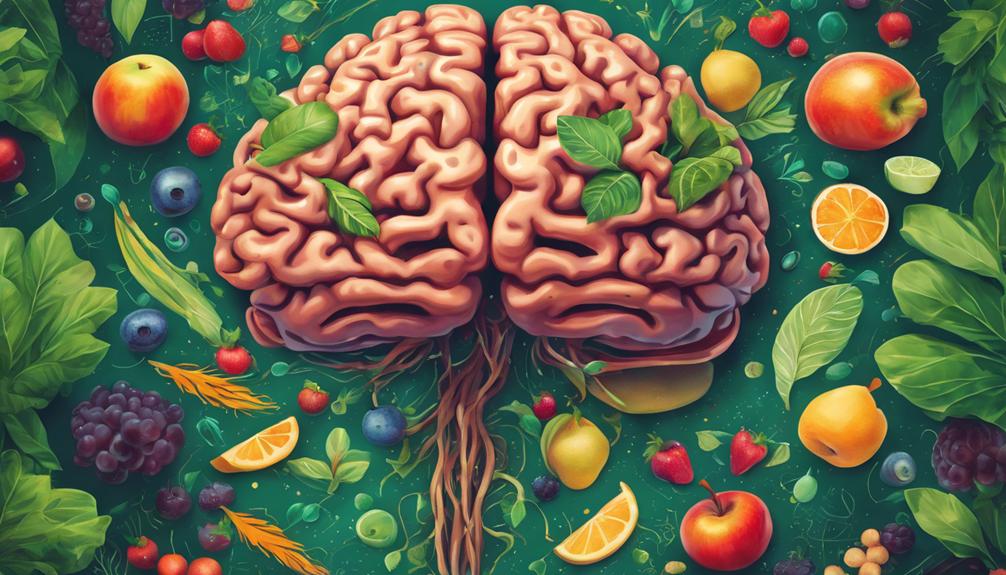
A growing body of research conclusively links diet and nutrition to mental health outcomes, suggesting that the food we eat has a profound impact on our mood, cognitive function, and overall wellbeing. A healthy gut microbiome, omega-3 fatty acids, and antioxidants play vital roles in supporting brain health, while nutrient deficiencies and processed foods can exacerbate mental health disorders. By making informed dietary choices, individuals can positively influence their mental wellbeing. From the gut-brain axis to meal planning strategies, the connection between diet and mental health is complex and multifaceted, and there is much more to uncover about the intricate relationships at play.
The Gut-Brain Axis Explained
The intricate relationship between the gut and brain, often referred to as the gut-brain axis, reveals a complex interplay of neural, hormonal, and immunological signals that can profoundly impact mental health. This pivotal communication network involves the central nervous system, enteric nervous system, and various cellular and molecular components. The gut, often referred to as the 'second brain,' produces neurotransmitters and hormones that influence mood, cognitive function, and emotional well-being.
The gut microbiome, comprised of trillions of microorganisms, plays a significant role in this axis, modulating the immune system, producing metabolites, and influencing the production of neurotransmitters such as serotonin and dopamine. The vagus nerve, a key communication pathway between the gut and brain, enables the transmission of signals that can either promote or disrupt mental health.
Dysregulation of the gut-brain axis has been implicated in various mental health disorders, including anxiety, depression, and bipolar disorder. The gut microbiome's influence on the gut-brain axis highlights the importance of a balanced diet, rich in fiber, polyphenols, and omega-3 fatty acids, in maintaining a healthy gut-brain connection. By understanding the intricate relationships within the gut-brain axis, we can better appreciate the critical role of nutrition in supporting mental health and well-being.
Nutrient Deficiencies and Mental Health
Nearly 2 billion people worldwide suffer from micronutrient deficiencies, which can greatly contribute to the development and exacerbation of mental health disorders. The absence of essential nutrients can disrupt neurotransmitter function, hormone regulation, and energy production, ultimately affecting mood, cognitive function, and overall mental well-being.
One of the most common deficiencies linked to mental health is omega-3 fatty acid deficiency. Omega-3 fatty acids, particularly EPA and DHA, play an essential role in brain function and development. A deficiency in these essential fatty acids has been linked to depression, anxiety, and bipolar disorder.
Vitamin D deficiency is another prevalent deficiency that can have a significant impact on mental health. Vitamin D receptors are present throughout the brain, and a deficiency in this vitamin has been linked to depression, seasonal affective disorder, and schizophrenia.
Magnesium deficiency is also widespread, and it can contribute to symptoms of anxiety, insomnia, and depression. Magnesium plays a critical role in neurotransmitter function and synaptic plasticity, making it essential for maintaining excellent mental health.
It is important to recognize the significant role that nutrient deficiencies play in mental health. Healthcare professionals and caregivers can play a crucial role in identifying and addressing these deficiencies, ultimately improving mental health outcomes. By prioritizing nutrition and addressing deficiencies, we can take a proactive approach to promoting mental well-being and reducing the burden of mental health disorders.
The Impact of Processed Foods
Ultraprocessed foods, characterized by their high levels of added sugars, refined carbohydrates, and unhealthy fats, have been implicated in the development and exacerbation of mental health disorders. The high consumption of these foods has been linked to increased symptoms of anxiety and depression, as well as decreased cognitive function.
| Food Type | Mental Health Impact |
|---|---|
| Sugary Drinks | Increased risk of depression and anxiety |
| Refined Carbohydrates | Fluctuations in blood sugar levels, leading to mood swings |
| Fried Foods | Higher risk of depression and cognitive decline |
Research has shown that a diet rich in processed foods can disrupt the gut-brain axis, leading to changes in the gut microbiome and increased inflammation. This can have a profound impact on mental health, as the gut and brain are intricately connected. Furthermore, the high levels of advanced glycation end-products (AGEs) in processed foods can lead to oxidative stress and inflammation, exacerbating mental health conditions.
In addition to the negative impact on mental health, a diet high in processed foods can also lead to physical health problems, such as obesity, diabetes, and cardiovascular disease. It is essential to educate individuals on the importance of a balanced diet, rich in whole, nutrient-dense foods, to support both physical and mental well-being. By making informed food choices, individuals can take a proactive approach to maintaining good mental health.
Omega-3 Fatty Acids for Brain Health
Omega-3 fatty acids have been recognized for their crucial role in maintaining peak brain function and overall mental well-being. Specifically, these essential nutrients have been shown to enhance brain function by promoting neural communication and facilitating the transmission of neurotransmitters. Additionally, omega-3 fatty acids have potent anti-inflammatory effects, which can help mitigate the negative impact of chronic inflammation on mental health.
Brain Function Enhancement
Brain health is deeply rooted in the consumption of omega-3 fatty acids, essential nutrients that play a pivotal role in enhancing cognitive function and mitigating the risk of mental health disorders. These polyunsaturated fats, particularly EPA and DHA, have been shown to improve brain function by supporting the structure and function of brain cells. Omega-3 fatty acids have been found to increase grey matter in areas of the brain associated with emotional regulation, mood, and cognitive processing. This can lead to improved focus, concentration, and memory, as well as reduced symptoms of anxiety and depression. Furthermore, omega-3 fatty acids have been shown to support neuroplasticity, the brain's ability to adapt and change in response to new experiences. By incorporating omega-3 rich foods, such as fatty fish, nuts, and seeds, into our diets, we can take a proactive approach to supporting our brain health and overall well-being.
Anti-Inflammatory Effects
Chronic inflammation, a known precursor to various mental health disorders, can be mitigated by the potent anti-inflammatory properties of omega-3 fatty acids. These essential fatty acids, particularly EPA and DHA, have been shown to reduce inflammation in the brain, thereby alleviating symptoms of anxiety, depression, and other mental health conditions. Omega-3 fatty acids inhibit the production of pro-inflammatory eicosanoids, which contribute to inflammation, and promote the production of anti-inflammatory resolvins, which help resolve inflammation. This critical anti-inflammatory effect is important, as chronic inflammation can disrupt neurotransmitter function, leading to impaired mood regulation and cognitive decline. A diet rich in omega-3 fatty acids, particularly from fatty fish, flaxseeds, and walnuts, can help mitigate the risk of mental health disorders. Additionally, supplementation with omega-3 fatty acids has been shown to be effective in reducing symptoms of depression, anxiety, and post-traumatic stress disorder (PTSD). By incorporating omega-3 rich foods into their diets, individuals can harness the potent anti-inflammatory effects of these essential fatty acids to promote excellent brain health.
The Role of Probiotics in Mental Wellbeing
The intricate relationship between the gut microbiome and the brain has garnered significant attention in recent years, with research suggesting a significant impact on mental wellbeing. Probiotics, live microorganisms that confer health benefits, have been shown to positively influence mood and reduce symptoms of anxiety and depression. As we explore the role of probiotics in mental wellbeing, it becomes clear that the gut-brain connection plays an essential role in regulating mood and overall mental health.
Gut-Brain Connection Matters
As researchers explore further into the intricate relationships between gut health and mental wellbeing, the importance of probiotics in mitigating symptoms of anxiety and depression comes sharply into focus. The gut-brain axis, a bidirectional communication network between the gut microbiome and the central nervous system, plays a significant role in this connection. Probiotics, live microorganisms that confer health benefits, have been shown to modulate the gut-brain axis, influencing mental health outcomes.
| Probiotic Strains | Mental Health Benefits |
|---|---|
| Lactobacillus | Reduced symptoms of anxiety and depression |
| Bifidobacterium | Improved mood and cognitive function |
| Streptococcus | Enhanced stress resilience and emotional regulation |
Research has demonstrated that probiotics can positively impact mental health by reducing inflammation, producing neurotransmitters, and modifying the gut microbiome. As the scientific community continues to unravel the complexities of the gut-brain connection, it becomes increasingly evident that probiotics have an essential role to play in promoting mental wellbeing. By incorporating probiotics into their diet, individuals can potentially mitigate symptoms of anxiety and depression, leading to improved mental health outcomes.
Probiotics Boost Mood
Probiotics have emerged as a promising adjunct therapy for mood enhancement, with research suggesting that specific strains can positively influence the brain's neurotransmitter activity and emotional response. The gut-brain axis, a pivotal communication network, plays an important role in this process. Probiotics, particularly Bifidobacterium and Lactobacillus strains, have been shown to modulate the gut microbiota, leading to increased production of neurotransmitters such as serotonin, dopamine, and GABA. These neurotransmitters are essential for regulating mood, motivation, and emotional response. Studies have demonstrated that probiotic supplementation can reduce symptoms of anxiety and depression, improving overall mental wellbeing. Additionally, probiotics have been found to decrease inflammation, a known contributor to mental health disorders. By incorporating probiotics into one's diet, individuals may experience improved mood stability, reduced stress, and enhanced emotional resilience. As a therapeutic approach, probiotics offer a promising avenue for supporting mental health, and their potential benefits warrant further exploration.
Antioxidants and Oxidative Stress
Free radicals, unstable molecules that form naturally in the body, can trigger a cascade of oxidative stress, which has been implicated in various mental health disorders. Oxidative stress occurs when the body's natural antioxidant defenses are overwhelmed by the accumulation of free radicals, leading to cellular damage and disruption of normal physiological processes. This can have far-reaching consequences for mental health, as oxidative stress has been linked to depression, anxiety, and other psychiatric conditions.
Antioxidants, found in abundance in fruits, vegetables, and other whole foods, play a vital role in mitigating oxidative stress by neutralizing free radicals and restoring balance to the body's delicate redox environment. A diet rich in antioxidants can help to reduce oxidative stress, thereby mitigating the risk of mental health disorders. Key antioxidant nutrients include vitamins C and E, beta-carotene, and polyphenols, which are found in high concentrations in berries, leafy greens, and other plant-based foods.
Research has consistently shown that individuals with mental health disorders tend to have lower levels of antioxidants in their diets and higher levels of oxidative stress. Conversely, studies have demonstrated that antioxidant supplementation can improve symptoms of depression and anxiety. By emphasizing whole, antioxidant-rich foods in their diets, individuals can take a proactive approach to supporting their mental health and reducing the risk of oxidative stress-related disorders.
Meal Planning for Mental Wellness
By emphasizing whole, antioxidant-rich foods and strategically planning meals, individuals can create a personalized nutrition plan that supports mental wellness and reduces the risk of oxidative stress-related disorders. A well-planned diet can have a profound impact on mental health, influencing mood, cognitive function, and overall well-being. Meal planning for mental wellness involves more than just selecting healthy foods; it requires a thoughtful approach to guarantee that nutritional needs are met and meals are balanced.
To create an effective meal plan, consider the following strategies:
- Set realistic goals: Identify specific mental health goals, such as reducing anxiety or improving mood, and tailor meal planning accordingly.
- Assess nutritional needs: Consider individual nutritional requirements, including macronutrient and micronutrient needs, to maintain a balanced diet.
- Plan ahead: Create a weekly meal plan, including breakfast, lunch, dinner, and snacks, to promote healthy eating habits.
- Incorporate mindfulness: Eat mindfully, savoring each meal and paying attention to hunger and fullness cues, to cultivate a healthier relationship with food.
Nourishing Foods for Anxiety Relief
As anxiety disorders continue to affect millions of people worldwide, incorporating specific nourishing foods into one's diet can play an essential role in alleviating symptoms and promoting relaxation. A well-balanced diet rich in whole, nutrient-dense foods can help mitigate anxiety by regulating blood sugar levels, reducing inflammation, and supporting neurotransmitter function.
Foods high in omega-3 fatty acids, such as fatty fish, flaxseeds, and walnuts, have been shown to reduce anxiety symptoms by promoting brain health and reducing inflammation. Complex carbohydrates like whole grains, fruits, and vegetables are also essential for regulating blood sugar levels and providing a sense of fullness and satisfaction.
In addition, foods rich in magnesium, such as dark leafy greens, nuts, and seeds, can help calm the nervous system and reduce anxiety. Probiotic-rich foods like yogurt, kefir, and fermented vegetables can also support gut health, which is closely linked to mental wellbeing.
Incorporating these nourishing foods into your diet can have a profound impact on anxiety relief. By making informed food choices, individuals can take an essential approach to managing their anxiety and promoting overall mental wellness. By serving others and educating them on the importance of nutrition in anxiety relief, we can empower individuals to take control of their mental health and live a more balanced, fulfilling life.
Frequently Asked Questions
Can a Vegan Diet Provide All Necessary Nutrients for Mental Health?
A well-planned vegan diet can provide all necessary nutrients for excellent mental health. Vegan sources of omega-3 fatty acids, such as alpha-linolenic acid (ALA), can be found in walnuts, chia seeds, and flaxseeds. Vitamin B12, essential for neurotransmitter synthesis, can be obtained through fortified plant-based milk and cereals. Additionally, dark leafy greens and legumes provide adequate folate, essential for mood regulation. With proper planning, a vegan diet can support mental well-being.
How Long Does It Take to Notice Diet-Related Mental Health Improvements?
"Rome wasn't built in a day" is a fitting adage when considering the timeline for noticing diet-related mental health improvements. The human body is a complex system, and significant changes don't occur overnight. While individual results may vary, research suggests that noticeable improvements in mental health can emerge within 2-4 weeks of adopting a balanced diet rich in whole foods, omega-3 fatty acids, and antioxidants. As the body adjusts to the new nutritional intake, subtle yet profound shifts in mood and cognitive function can become apparent.
Can a Healthy Diet Cure Mental Health Disorders Like Depression?
While a healthy diet plays a significant role in mental health, it is essential to understand that diet alone cannot cure mental health disorders like depression. A balanced diet can alleviate symptoms, improve mood, and enhance overall well-being, but it should be considered as a complementary approach alongside evidence-based treatments, such as therapy and medication, under the guidance of a healthcare professional.
Are There Specific Diets Recommended for Different Mental Health Conditions?
When it comes to managing mental health, a one-size-fits-all dietary approach may not be sufficient. Research suggests that tailored diets can be more effective in addressing specific mental health conditions. For instance, the Mediterranean diet has shown promise in alleviating symptoms of depression, while the ketogenic diet has been explored as a potential therapeutic approach for bipolar disorder.
Can Diet Alone Replace Traditional Mental Health Treatment Methods?
‘The proof is in the pudding’ when it comes to the effectiveness of diet as a standalone treatment for mental health conditions. While a balanced diet can certainly contribute to improved mental wellbeing, it is unrealistic to rely solely on dietary changes to replace holistic treatment methods. A well-rounded approach, combining dietary adjustments with evidence-based therapies, is likely to yield the most promising outcomes for individuals struggling with mental health issues. Moreover, understanding the relationship between nutrition and mental health opens the door for a deeper exploration of how dietary choices can impact mood and cognition. For those interested in further insights, the science of weight loss explained can provide valuable information on how dietary habits may influence not just physical health but also emotional and psychological states. Ultimately, embracing a multifaceted strategy may empower individuals to achieve lasting improvements in their mental wellbeing.
