

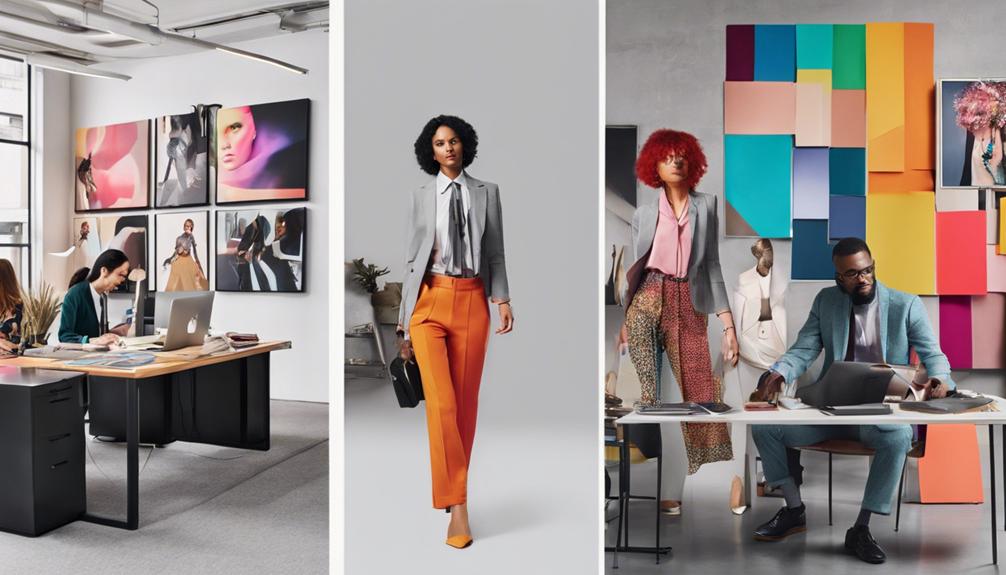
Fashion plays a significant and often underappreciated role in shaping workplace culture, influencing everything from social hierarchy and morale to productivity and interpersonal dynamics. Dress codes can perpetuate social hierarchy, while clothing choices impact individual morale and motivation. Professional attire establishes credibility, while self-expression can boost creativity and innovation. Additionally, fashion choices reveal values and shape interactions, affecting leadership perception and workplace relationships. By understanding the impact of fashion on workplace culture, organizations can harness the power of fashion to drive success and foster a positive, productive work environment, and exploring this concept further can reveal additional insights into this complex relationship. Moreover, embracing corporate fashion essentials can create a cohesive identity within a company, promoting unity among employees. When organizations prioritize a balanced approach to dress codes, they can cater to both professionalism and individual expression, ultimately leading to higher job satisfaction. By encouraging employees to integrate corporate fashion essentials into their wardrobe, organizations can create an environment that not only enhances productivity but also celebrates diversity and personal style.
Dress Codes and Social Hierarchy
Within the confines of a corporate environment, a dress code serves as an unspoken arbitrator of social hierarchy, subtly yet profoundly influencing the dynamics of workplace culture. The attire worn by employees can convey their position, status, and level of professionalism, often unintentionally creating a visual representation of the company's organizational chart. This phenomenon is particularly evident in traditional industries, where suits and ties are synonymous with executive roles, while more casual attire is often relegated to entry-level positions.
The dress code can also perpetuate social stratification, as employees who dress in accordance with the company's unwritten sartorial standards are often perceived as more competent and reliable. Conversely, those who deviate from these norms may be viewed as unprofessional or even rebellious. This can lead to a self-perpetuating cycle, where individuals who conform to the dress code are more likely to be promoted, further solidifying the existing social hierarchy.
The implications of this phenomenon are far-reaching, as a company's dress code can ultimately influence the way employees interact with one another and perceive their roles within the organization. By recognizing the role of dress codes in shaping social dynamics, companies can take steps to promote a more inclusive and egalitarian work environment. By embracing a more flexible and individualized approach to dress, companies can foster a culture of creativity, innovation, and collaboration.
Fashion's Influence on Workplace Morale
Fashion choices can have a profound impact on an individual's emotional state, and as a result, the workplace attire worn by employees can greatly influence their morale and overall job satisfaction. When employees feel confident and comfortable in their attire, they are more likely to be motivated, productive, and engaged in their work. Conversely, ill-fitting or unflattering clothing can lead to feelings of self-consciousness and distraction, ultimately affecting job performance.
Moreover, the psychological impact of fashion on workplace morale cannot be overstated. Research has shown that clothing can influence an individual's mood, with bright colors and patterns often evoking feelings of joy and energy. Additionally, the sense of autonomy and self-expression that comes with choosing one's own attire can boost morale and job satisfaction. On the other hand, restrictive dress codes or unflattering uniforms can lead to feelings of resentment and disillusionment.
Innovative companies are recognizing the importance of fashion in fostering a positive work environment. By adopting flexible dress codes or offering personalized wardrobe options, employers can promote a culture of creativity, self-expression, and empowerment. As a result, employees are more likely to feel valued, motivated, and committed to their work, ultimately driving business success. By acknowledging the profound impact of fashion on workplace morale, organizations can harness the full potential of their employees and reap the benefits of a happy, productive workforce.
Clothing Choices and Professionalism
Embracing a professional image through thoughtful clothing choices is essential for establishing credibility and earning respect in the workplace. When employees dress professionally, they convey a sense of competence, reliability, and attention to detail, which can greatly impact their career advancement. A well-curated wardrobe can also enhance confidence, leading to improved performance and productivity.
Moreover, clothing choices can influence how others perceive an individual's professionalism. Research has shown that people form opinions about others within seconds of meeting them, and attire plays a substantial role in shaping these impressions. A tailored suit, crisp shirt, or polished shoes can communicate a sense of authority, expertise, and commitment to excellence. Conversely, sloppy or inappropriate attire can undermine an individual's credibility and compromise their professional reputation.
In today's fast-paced work environment, where innovation and creativity are highly valued, dressing professionally does not mean sacrificing personal style. By incorporating subtle touches of personality into their attire, employees can showcase their individuality while still projecting a professional image. Ultimately, thoughtful clothing choices can be a powerful tool for building trust, commanding respect, and driving success in the workplace. By embracing a professional image, employees can tap into their full potential and make a lasting impact on their organization.
How Style Affects Interpersonal Dynamics
When it comes to workplace relationships, personal style can play a significant role in shaping interpersonal dynamics. The way employees present themselves can convey subtle cues about their personality, status, and attitudes, influencing how colleagues perceive and interact with them. As we explore the impact of fashion on workplace culture, it's essential to examine how dress code policies, social hierarchy clues, and nonverbal cues can either foster or hinder collaborative and productive relationships.
Dress Code Policies
By dictating what is deemed appropriate attire, dress code policies can inadvertently influence how colleagues perceive and interact with one another. A well-crafted dress code policy can promote a sense of unity and professionalism, fostering a positive and inclusive work environment. On the other hand, overly restrictive or ambiguous policies can lead to feelings of resentment and discomfort, potentially hindering collaboration and creativity.
Effective dress code policies should strike a balance between autonomy and consistency, allowing employees to express their personal style while maintaining a professional image. This can be achieved by providing clear guidelines and flexibility for individuality, ensuring that all employees feel valued and respected. Moreover, dress code policies can also impact employee morale and job satisfaction, as restrictive policies can lead to feelings of micromanagement and mistrust.
Ultimately, a well-designed dress code policy can promote a positive and productive workplace culture, where employees feel empowered to bring their authentic selves to work. By recognizing the subtle yet significant impact of dress code policies on interpersonal dynamics, organizations can create a more harmonious and innovative work environment.
Social Hierarchy Clues
Fashion choices often convey subtle yet potent social cues, revealing an individual's status, personality, and values, which can greatly influence interpersonal dynamics within the workplace. These cues can create a perceived social hierarchy, where certain styles or brands are associated with prestige, power, or sophistication. For instance, a luxury watch or high-end designer clothing can signal wealth, success, or refinement. Conversely, more casual or trendy attire may be perceived as laid-back or creative. These subtle cues can shape how colleagues interact with each other, influencing who is seen as a leader, a collaborator, or an outsider. As a result, fashion choices can either reinforce or challenge existing power structures, fostering a culture of inclusivity or exclusivity. By recognizing the social hierarchy clues embedded in fashion, organizations can promote a more mindful and empathetic work environment, where diversity is celebrated and individuality is valued.
Nonverbal Cues Matter
An individual's style choices send powerful nonverbal cues that can either foster rapport or create distance, greatly influencing how colleagues perceive and interact with one another. The way we dress communicates our personality, values, and attitude, often before we even speak. This unconscious communication can have a profound impact on workplace relationships and dynamics. For instance, a well-tailored suit can convey confidence and professionalism, while a more relaxed attire can suggest a creative or laid-back approach. These subtle cues can affect how others perceive our credibility, trustworthiness, and approachability, ultimately impacting collaboration, communication, and decision-making processes. Dressing in a way that aligns with the company culture can signal a sense of belonging and commitment, while deviating from the norm can lead to feelings of isolation or disconnection. By recognizing the role of nonverbal cues in shaping workplace interactions, individuals can harness the power of fashion to build stronger, more effective relationships and foster a more cohesive, productive work environment.
The Impact on Productivity and Focus
As we explore the impact of fashion on workplace culture, it becomes clear that an individual's attire can greatly influence their productivity and focus. The distractions caused by inappropriate or flashy clothing, the divisions created by vastly different fashion choices, and the stress induced by office style expectations can all combine to negatively impact an employee's ability to concentrate. By examining these factors, we can better understand how fashion choices can either hinder or enhance employee performance.
Dress Code Distractions
In today's workplace, a significant number of employees admit to being distracted by their colleagues' attire, leading to a decline in overall productivity and focus. A survey revealed that nearly 40% of employees reported being distracted by their coworkers' clothing, with 20% stating that it affected their work performance. This phenomenon is not limited to extreme or provocative attire; even subtle fashion choices can divert attention away from tasks. For instance, a bold print or bright color can capture attention, disrupting the workflow. Furthermore, dress code distractions can lead to increased gossip and socializing, ultimately hindering team collaboration and creativity. To mitigate these effects, organizations can establish clear dress code policies that strike a balance between personal expression and professionalism. By doing so, employees can maintain their individuality while minimizing distractions, ultimately fostering a more productive and innovative work environment.
Fashion Choices Divide
Fashion choices can create a visual hierarchy, where some employees' outfits are perceived as more professional or stylish than others, leading to unintended consequences on productivity and focus. This visual hierarchy can lead to comparisons and distractions, causing employees to lose focus on their tasks and instead, invest time and energy in evaluating their peers' attire. Additionally, it can create a sense of competition, where employees feel pressured to keep up with the latest fashion trends, diverting their attention away from their work.
As a result, productivity and focus suffer, and the work environment becomes less efficient. To mitigate this, organizations can establish a clear dress code policy that promotes a balance between personal expression and professionalism. By doing so, employees can focus on their tasks without the distraction of fashion choices, and the workplace can become a more efficient and productive environment. By recognizing the impact of fashion choices on productivity and focus, organizations can create a culture that values both individuality and collaboration.
Office Style Stress
Office style stress, a phenomenon where employees feel pressured to present themselves in a certain way, can greatly impede productivity and focus in the workplace. This pressure to conform to unspoken dress code expectations can lead to mental fatigue, as individuals worry about being judged or ostracized for not meeting the perceived standards. As a result, valuable time and energy are diverted from tasks, diminishing overall performance. Additionally, the constant need to project a polished image can foster a culture of superficiality, where appearance takes precedence over substance.
When employees are preoccupied with their physical appearance, they are less likely to engage in creative problem-solving, critical thinking, and collaborative efforts. The emphasis on style over substance can also lead to a toxic work environment, where colleagues are pitted against each other in a competition for sartorial supremacy. By recognizing the debilitating effects of office style stress, organizations can take steps to promote a culture of authenticity, where individuality is celebrated, and employees are encouraged to focus on what truly matters – delivering innovative solutions and driving business growth.
Casual Fridays and Office Atmosphere
Relaxed dress codes, popularized by Casual Fridays, greatly influence the ambiance of the workplace, fostering a sense of comfort and camaraderie among employees. This shift away from traditional formal attire creates a more laid-back atmosphere, allowing colleagues to feel more at ease and connected. As a result, communication and collaboration are facilitated, leading to increased productivity and creativity. Additionally, the relaxed dress code policy sends a message that the organization values employee comfort and well-being, contributing to a positive work environment.
The casual dress code also has a profound impact on the office social dynamics. It allows employees to express their personal style, which can lead to interesting conversations and a deeper understanding of individual personalities. This, in turn, can strengthen workplace relationships and create a sense of community. In addition, the relaxed atmosphere encourages a more approachable and open-minded culture, where employees feel empowered to share ideas and opinions.
Ultimately, the adoption of Casual Fridays has transformed the workplace culture, making it more relaxed, collaborative, and creative. By embracing this trend, organizations can reap the benefits of a more harmonious and productive work environment, where employees feel valued, motivated, and inspired to innovate.
Self-Expression and Corporate Identity
As organizations endeavor to foster a sense of individuality and autonomy, the intersection of self-expression and corporate identity becomes a critical aspect of modern workplace culture. This delicate balance allows employees to bring their authentic selves to work while still representing the company's values and mission. When done correctly, it can lead to increased job satisfaction, creativity, and productivity.
A successful blend of self-expression and corporate identity can be seen in various ways:
- A software engineer wearing a bold, brightly colored scarf that reflects their personality while still adhering to the company's dress code policy.
- A marketing specialist who incorporates their personal style into their work attire, such as a statement piece of jewelry that sparks conversations and builds connections with clients.
- A graphic designer who expresses their creativity through their fashion choices, which in turn inspires innovative ideas and solutions for the company's design projects.
Frequently Asked Questions
Can Personal Style Be a Distraction in a Professional Setting?
Research suggests that personal style can indeed be a distraction in a professional setting. A study by the Society for Human Resource Management found that 55% of employees reported being distracted by a coworker's attire. This distraction can lead to decreased productivity and negatively impact team collaboration. By establishing clear dress code policies, employers can minimize distractions and foster a focused work environment.
Do Fashion Trends Influence Workplace Dress Code Policies?
Fashion trends undeniably shape workplace dress code policies. As styles evolve, companies adapt to reflect the changing landscape. In recent years, we've seen a shift towards more relaxed, yet still professional, attire. This shift is a direct response to the growing influence of athleisure wear and streetwear on modern fashion. As a result, dress code policies have become more flexible, allowing employees to express their personal style while maintaining a level of professionalism.
Can Fashion Choices Affect Opportunities for Career Advancement?
As we navigate the labyrinth of professional hierarchies, a pressing question emerges: can fashion choices affect opportunities for career advancement? The answer, much like a masterfully crafted ensemble, is multifaceted. While a polished appearance can convey confidence and competence, it's the subtle nuances of personal style that can either make or break a professional's trajectory. The verdict is still out, but one thing is certain – the clothes we wear to work can be a potent catalyst for success, or a silent saboteur.
How Does Fashion Impact Communication Among Coworkers?
When coworkers observe one another's attire, it can influence their perception of each other's professionalism, trustworthiness, and credibility. Fashion choices can either facilitate or hinder open communication among colleagues. For instance, dressing in a manner that aligns with the company culture can foster a sense of belonging, encouraging collaboration and idea sharing. Conversely, attire that deviates from the norm can create social distance, impeding the free flow of information and hindering effective teamwork.
Can Company Culture Dictate Employees' Fashion Choices?
According to a recent study, 61% of employees believe that their employer's dress code policy directly influences their job satisfaction. This statistic highlights the significant impact of company culture on employees' fashion choices. In reality, many organizations dictate dress codes to maintain a professional image or adhere to industry standards. This, in turn, can influence employees' fashion choices, often prioritizing conformity over personal expression.
