

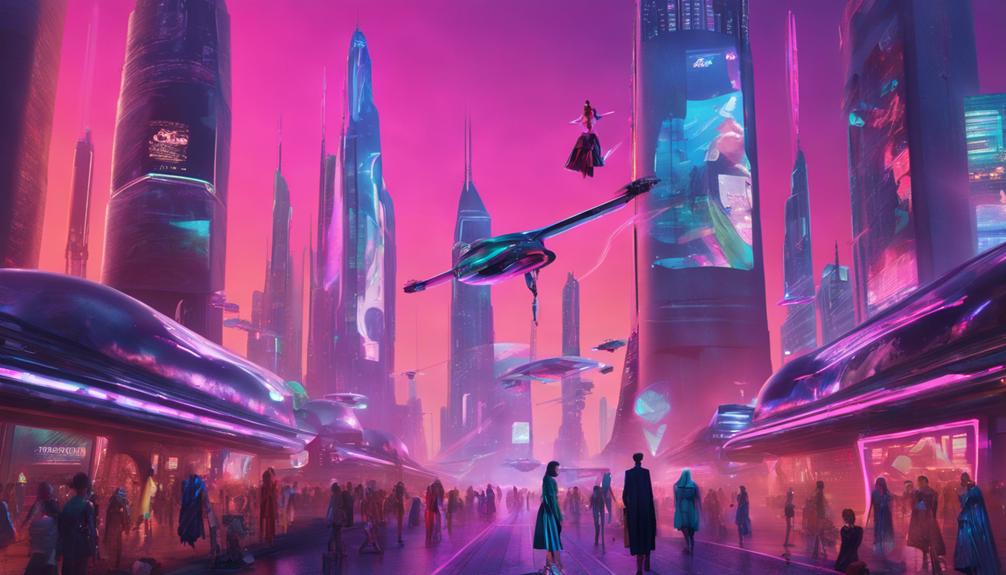
As consumers increasingly prioritize eco-friendliness, sustainable fashion takes center stage with upcycled clothing going mainstream, featuring eco-friendly and high-quality garments. Technological innovations like 3D printing, AI-powered styling, and virtual try-on revolutionize the industry. Body positivity and inclusivity shape design, with diverse model representation, inclusive size ranges, and realistic beauty standards. Athleisure evolves with sustainable materials, high-tech fabrics, and modular design. The future of fashion is shaped by these transformative trends, and as the industry continues to shift, new standards will emerge, and the boundaries of fashion will be pushed further.
Sustainable Fabrics Take Center Stage
As consumers increasingly prioritize eco-friendliness, the fashion industry is responding by incorporating sustainable fabrics into their designs, driving a seismic shift towards environmentally conscious production methods. This paradigm shift is revolutionizing the way fashion brands operate, as they work towards reducing their ecological footprint while catering to the growing demand for eco-friendly products.
Sustainable fabrics are taking center stage, with innovative materials like recycled polyester, organic cotton, and plant-based textiles gaining traction. These eco-friendly alternatives not only reduce waste and pollution but also offer improved durability and performance. Brands are now experimenting with cutting-edge materials, such as lab-grown spider silk and mushroom-based fabrics, to create high-quality, sustainable fashion.
The adoption of sustainable fabrics is being driven by consumer pressure, with 75% of millennials willing to pay more for eco-friendly products. In response, fashion brands are rethinking their supply chains, investing in sustainable sourcing, and implementing circular business models. This shift towards sustainability is not only a moral imperative but also a strategic business decision, as consumers increasingly prioritize brands that share their values.
As the fashion industry continues to evolve, sustainable fabrics will play a critical role in shaping its future. With innovation and technology advancing at an unprecedented pace, the possibilities for sustainable fashion are endless. One thing is certain – the future of fashion is green, and it's only a matter of time before sustainable fabrics become the new norm.
Technology Meets High Fashion
Fashion's avant-garde is converging with cutting-edge technology, yielding a new era of high fashion that is as much about innovation as it is about aesthetics. This fusion is revolutionizing the industry, enabling designers to push boundaries and create truly immersive experiences. From 3D-printed garments to smart fabrics, technology is redefining the very fabric of fashion.
| Technological Advancements | Fashion Applications | Potential Impact |
|---|---|---|
| 3D Printing | Customizable, complex designs | Increased sustainability, reduced waste |
| Artificial Intelligence | Personalized styling, predictive analytics | Enhanced customer experience, increased sales |
| Smart Fabrics | Temperature-regulating, health-monitoring garments | Improved wearer comfort, health benefits |
| Virtual Reality | Immersive brand experiences, virtual fashion shows | Increased brand engagement, reduced environmental impact |
| Nanotechnology | Water-repellent, self-cleaning fabrics | Increased durability, reduced maintenance |
As technology continues to advance, we can expect to see even more innovative applications in the world of high fashion. From wearable technology to augmented reality, the possibilities are endless. One thing is certain – the future of fashion has never looked brighter, or more technologically advanced.
Virtual Try-On Revolutionizes Shopping
The boundaries of virtual and reality are blurring, as the innovative technology of virtual try-on is transforming the shopping experience, allowing consumers to digitally slip into garments and access a previously unimaginable level of try-before-you-buy convenience. This revolutionary technology is redefining the fashion industry, providing an immersive and personalized shopping experience that is changing the way we interact with clothing. With virtual try-on, consumers can effortlessly explore different styles, sizes, and colors, eliminating the need for physical fittings and reducing the likelihood of returns.
This technology is not only enhancing the shopping experience but also promoting sustainability. By reducing the need for physical samples and minimizing returns, virtual try-on is contributing to a more environmentally friendly fashion industry. Additionally, it is providing designers and retailers with valuable insights into consumer behavior, allowing them to refine their designs and improve their marketing strategies.
As virtual try-on continues to evolve, we can expect to see even more advanced features, such as augmented reality (AR) integration and personalized avatars. These advancements will further blur the lines between the physical and digital worlds, offering an unprecedented level of immersion and realism. As the fashion industry continues to adapt to this innovative technology, one thing is clear: the future of shopping is virtual, and it's here to stay.
Body Positivity Shapes Design
Moreover, as the fashion industry continues to evolve, body positivity is increasingly influencing design. This shift is evident in the growing trend towards diverse model representation, where models of varying ages, abilities, and body types are showcased on runways and in campaigns. Additionally, inclusive size ranges are becoming the norm, with designers catering to a broader range of customers and promoting a more realistic and accepting beauty standard.
Diverse Model Representation
How can the fashion industry's shift towards diverse model representation redefine traditional beauty standards and influence design aesthetics? The answer lies in the power of representation. By showcasing a diverse range of models, the industry can break free from the constraints of traditional beauty standards and celebrate individuality. This shift can also influence design aesthetics, as brands begin to cater to a broader range of consumers.
- Challenging traditional beauty standards: Diverse model representation can redefine what is considered "beautiful" or "desirable" in the fashion industry. By featuring models of different ages, abilities, and body types, brands can promote a more inclusive and realistic definition of beauty.
- Incorporating diverse perspectives: A diverse range of models can bring unique perspectives and experiences to the design process, influencing the creation of garments that cater to a broader range of consumers.
- Fostering a culture of inclusivity: By embracing diverse model representation, the fashion industry can foster a culture of inclusivity, where everyone feels seen, heard, and valued.
Inclusive Size Ranges
Body positivity is reshaping the fashion landscape, driving designers to rethink their approach to size ranges and cater to a broader spectrum of body types. This shift towards inclusivity is long overdue, as the traditional 'one-size-fits-all' approach has left many consumers feeling marginalized and excluded. The industry is finally recognizing the importance of diversity in size, shape, and ability, acknowledging that beauty comes in many forms.
In response, designers are expanding their size ranges to accommodate a wider range of body types, from petite to plus-size. This move towards inclusivity is not only a social imperative but also a business opportunity, as brands that cater to diverse body types are likely to attract a broader customer base. Furthermore, innovative technologies, such as 3D scanning and virtual try-on, are enabling brands to create made-to-measure garments that fit individual body types with precision. As the industry continues to evolve, we can expect to see even more innovative solutions that celebrate individuality and promote body positivity.
Upcycled Clothing Goes Mainstream
As the fashion industry shifts towards a more environmentally conscious era, upcycled clothing is poised to become a mainstream phenomenon. This emerging trend is driven by a growing demand for sustainable fashion practices, where designers are reimagining waste materials into high-quality, eco-friendly garments. By embracing upcycled clothing, consumers can make a significant impact on reducing waste while making a bold, eco-friendly fashion statement.
Designing for Sustainability
In response to growing consumer demands for eco-friendly practices, the fashion industry is witnessing a paradigm shift towards upcycled clothing, with designers and brands creatively repurposing discarded materials into high-fashion garments. This sustainable approach not only reduces waste but also sparks innovation, as creatives are forced to think outside the box to craft unique, high-quality pieces. As this trend gains momentum, many brands are also focusing on transparency in their supply chains, allowing consumers to make informed choices about their purchases. Additionally, the rise of upcycled clothing is fostering a new conversation around style, encouraging individuals to embrace originality and sustainability. For those looking to integrate these practices into their wardrobes, exploring men’s fashion essential tips can provide valuable insights on how to mix and match upcycled pieces with classic staples for a fresh, stylish look.
Some notable trends in upcycled clothing include:
- Revival of Heritage Fabrics: Designers are breathing new life into vintage fabrics, reworking them into modern, on-trend pieces that exude nostalgia and sophistication.
- Trash-to-Treasure Accessories: Upcycled materials like plastic bottles, cardboard, and even food packaging are being transformed into statement accessories that make a bold fashion statement.
- Zero-Waste Design: Brands are adopting zero-waste design principles, using cutting-edge technology to minimize fabric scraps and create garments that are both stylish and sustainable.
As consumers continue to prioritize the planet, upcycled clothing is poised to become a staple in the fashion industry, driving a cultural shift towards conscious consumerism.
Revamping Old Materials
Upcycled clothing's growing popularity is driving a mainstream shift, with designers and brands increasingly incorporating revamped old materials into their collections. This trend is not only eco-friendly but also offers a unique aesthetic that appeals to consumers seeking individuality. Revamped materials are being used to create everything from statement pieces to everyday essentials, offering a fresh take on sustainable fashion.
Designers are getting creative with upcycling, repurposing materials like old clothing, fabric scraps, and even plastic waste. This approach not only reduces waste but also celebrates the beauty of reuse and recycling. The result is a fashion landscape where one-of-a-kind pieces coexist with mass-produced items, catering to diverse tastes and preferences.
As upcycled clothing gains mainstream acceptance, we can expect to see more innovative uses of revamped materials. From luxury fashion houses to high-street brands, the industry is embracing this trend, and consumers are responding positively. With upcycled clothing, the future of fashion is not only sustainable but also excitingly unpredictable.
Eco-Friendly Fashion Statement
One of the most significant indicators of upcycled clothing's mainstream appeal is its adoption by high-end designers and fast-fashion retailers alike, who are incorporating revamped materials into their collections to cater to the growing demand for eco-friendly fashion. This shift towards sustainability is driven by consumers who are increasingly conscious of the environmental impact of their purchasing decisions. As a result, upcycled clothing is no longer relegated to niche brands or small boutiques, but is now a staple in many mainstream fashion collections.
Some notable trends in upcycled clothing include:
- Revamped denim: Old jeans are being transformed into trendy jackets, bags, and even shoes.
- Reimagined textiles: Discarded fabrics are being repurposed into unique, one-of-a-kind garments.
- Creative collaborations: Brands are partnering with artists and designers to create limited-edition upcycled collections that showcase the art of creative reuse.
As upcycled clothing continues to gain momentum, it's clear that eco-friendly fashion is no longer a niche trend, but a mainstream movement that's here to stay.
Personalized Style With AI Assistants
Twenty-first-century fashion consumers expect seamless, personalized experiences, and AI-powered styling assistants are poised to revolutionize the industry by providing tailored recommendations and looks. These innovative tools utilize machine learning algorithms to analyze individual preferences, body type, and lifestyle to create bespoke fashion recommendations. By integrating AI into the fashion ecosystem, consumers can enjoy a more intimate and efficient shopping experience, as AI assistants learn and adapt to their unique style over time.
With the ability to analyze vast amounts of data, AI-powered styling assistants can identify emerging trends and predict future fashion directions. This allows consumers to stay ahead of the curve, experimenting with new styles and silhouettes that align with their personal aesthetic. Additionally, AI-driven styling tools can facilitate a more sustainable approach to fashion, encouraging consumers to revisit and reimagine existing pieces in their wardrobe, rather than perpetuating fast fashion's throwaway culture.
As AI technology continues to advance, we can expect to see even more sophisticated applications in the fashion industry. From virtual try-on to personalized content creation, the possibilities are vast and exciting. As the fashion landscape continues to evolve, one thing is certain – AI-powered styling assistants will play a pivotal role in shaping the future of fashion, providing consumers with unparalleled levels of personalization and innovation.
Athleisure 2.0: The Evolution
As athleisure wear continues to dominate the fashion landscape, a new era of innovation is emerging, characterized by heightened attention to sustainability, versatility, and high-performance technology. This evolution, dubbed Athleisure 2.0, marks a significant shift in the industry's approach to functional fashion.
In response to growing consumer demand for eco-friendly and socially responsible practices, brands are incorporating sustainable materials, reducing waste, and implementing recycling programs. This commitment to sustainability is driving innovation in textile development, with brands experimenting with recycled polyester, organic cotton, and plant-based materials.
Some key trends shaping Athleisure 2.0 include:
- High-tech fabrics: Brands are developing high-performance materials that offer improved moisture-wicking, breathability, and thermal regulation.
- Modular design: Garments are being designed with modular components, allowing consumers to easily update or replace parts, reducing waste and extending the life of the product.
- Data-driven design: Brands are leveraging data analytics to inform design decisions, ensuring that products meet the specific needs and preferences of their target audience.
As Athleisure 2.0 continues to evolve, we can expect to see even more innovative solutions that prioritize both style and substance. With consumers increasingly expecting more from their fashion choices, brands that prioritize sustainability, versatility, and high-performance technology will be well-positioned to lead the way in this new era of athleisure wear.
Second-Hand Shopping Goes Luxe
Luxury fashion has finally caught up with the second-hand shopping trend, as high-end designers and retailers are now embracing the concept of pre-owned luxury goods. This shift is driven by the growing demand for sustainable and environmentally conscious fashion. Luxury brands are recognizing the value of giving old pieces a new life, reducing waste, and appealing to consumers who crave unique, one-of-a-kind items.
The rise of luxury resale platforms and online marketplaces has made it easier for consumers to access authenticated, pre-owned luxury goods. This new landscape has also given birth to a new breed of luxury consignment stores, offering curated collections of high-end, pre-owned pieces. These platforms and stores are not only providing consumers with an alternative to fast fashion but also creating a new revenue stream for luxury brands.
As a result, luxury fashion is becoming more accessible and inclusive, with a focus on quality, craftsmanship, and timelessness rather than fleeting trends. This shift towards luxury second-hand shopping is not only changing the way we consume fashion but also redefining the notion of luxury itself. With the growing popularity of luxury resale, the fashion industry is poised to undergo a significant transformation, driven by innovation, sustainability, and a desire for unique, high-quality pieces.
3D Printing Redefines Manufacturing
The advent of D printing in the fashion industry is revolutionizing the manufacturing process, offering unprecedented rapid prototyping advantages that enable designers to quickly test and refine their ideas. This innovative technology also enables sustainable production methods, reducing waste and environmental impact. As the industry continues to adopt D printing, we can expect to see a significant shift towards more efficient and eco-friendly production practices.
Rapid Prototyping Advantages
By leveraging rapid prototyping, fashion designers can drastically reduce lead times and costs, thereby accelerating their creative process and getting products to market faster. This groundbreaking technology enables designers to test and refine their designs quickly, reducing the risk of costly mistakes and allowing for more innovative and daring designs.
Rapid prototyping offers several advantages, including:
- Faster iteration: Designers can quickly test and refine their designs, reducing the time and expense associated with traditional prototyping methods.
- Increased accuracy: Rapid prototyping allows for precise control over the design and production process, reducing errors and ensuring a higher level of quality.
- Reduced waste: With rapid prototyping, designers can test and refine their designs before committing to large-scale production, reducing waste and minimizing environmental impact.
Sustainable Production Methods
One of the most significant advancements in sustainable production methods is the integration of 3D printing technology, which fundamentally redefines manufacturing processes in the fashion industry. This innovative approach enables the creation of complex designs and structures that would be impossible to produce with traditional methods. Additionally, 3D printing reduces waste, energy consumption, and material usage, making it a more environmentally friendly option.
By leveraging 3D printing, fashion brands can minimize their ecological footprint while maintaining high-quality production standards. This technology also allows for on-demand production, reducing inventory risks and enabling a more agile response to changing consumer demands. Moreover, 3D printing enables the use of recycled and biodegradable materials, further reducing the environmental impact of fashion production.
As the fashion industry continues to grapple with sustainability concerns, 3D printing is poised to play a pivotal role in shaping the future of fashion production. By embracing this cutting-edge technology, fashion brands can not only reduce their environmental impact but also discover new creative possibilities and improve their bottom line.
Inclusive Runways Set New Standards
Embracing diversity, the fashion industry has finally taken a significant step towards inclusivity, as designers and brands now actively work to showcase diverse models, ages, abilities, and body types on runways worldwide. This shift towards inclusivity is a significant departure from the traditional fashion norms, where only a specific type of model was deemed acceptable. Today, we see a more realistic representation of society on the catwalk, with models of varying ages, sizes, abilities, and ethnicities.
This new era of inclusivity is not just limited to the models themselves, but also extends to the clothing designs. Designers are now creating garments that cater to a broader range of body types, abilities, and needs. For instance, some designers are incorporating adaptive clothing designs that cater to people with disabilities.
Some key trends driving this shift towards inclusivity include:
- Size inclusivity: Designers are now creating clothing lines that cater to a broader range of sizes, from petite to plus-size models.
- Age diversity: Models of all ages are now being featured on runways, breaking away from the traditional youthful aesthetic.
- Disability representation: Designers are incorporating adaptive clothing designs and featuring models with disabilities on the runway, promoting a more realistic representation of society.
Frequently Asked Questions
Will Fast Fashion Brands Adapt to Sustainable Practices?
Did you know that the fashion industry is responsible for 10% of global carbon emissions? As consumers increasingly prioritize sustainability, fast fashion brands are under pressure to adapt. While some have made commitments to reduce waste and emissions, many still lag behind. To remain competitive, fast fashion brands must prioritize sustainability, adopting practices like recycling, upcycling, and reducing supply chain waste. Those that fail to adapt risk losing market share to more environmentally-conscious competitors.
Can Ai-Generated Fashion Designs Surpass Human Creativity?
The question of whether AI-generated fashion designs can exceed human creativity sparks intriguing possibilities. While AI algorithms can process vast amounts of data, recognizing patterns and generating novel combinations, they lack the emotional and intuitive aspects that underpin human creativity. However, AI can enhance human designers' capabilities, freeing them to focus on high-level creative vision while AI handles iterative tasks, potentially revealing innovative designs that blend the best of both worlds.
How Will Virtual Try-On Affect Brick-And-Mortar Stores?
As virtual try-on technology gains traction, brick-and-mortar stores face an uncertain future. By offering an immersive, accurate, and convenient experience, virtual try-on may lure customers away from physical stores. To remain competitive, brick-and-mortar stores must adapt, incorporating innovative technologies and personalized services to create unique in-store experiences that complement online try-on capabilities.
Will Upcycled Clothing Become a Staple in High-End Fashion?
Upcycled clothing is poised to revolutionize high-end fashion as consumers increasingly prioritize sustainability. Luxury brands are already incorporating eco-friendly designs, and upcycling offers a unique opportunity to combine exclusivity with environmental responsibility. As consumers become more discerning, upcycled clothing will likely become a staple in high-end fashion, driven by the desire for unique, sustainable, and exclusive designs that make a statement.
Can 3D Printing Replace Traditional Textile Manufacturing?
As the industry ponders the future of textile production, an essential question emerges: can 3D printing replace traditional manufacturing? While 3D printing offers unprecedented customization and sustainability benefits, it still faces significant hurdles. Currently, it struggles to match the scale, speed, and cost-effectiveness of traditional manufacturing. However, advancements in technology and materials science could potentially bridge this gap, making 3D printing a viable alternative for niche, high-end, or bespoke fashion applications.
