

As we navigate the pandemic's aftermath, we're confronting the harsh reality of a struggling small business sector. Supply chains are still disrupted, consumer spending habits have shifted, and e-commerce has become the new normal. Government aid packages have helped, but labor shortages and long-term debt are crippling many businesses. We're forced to adapt, finding creative solutions to staffing gaps and staggering debt. The road to recovery won't be easy, but understanding these challenges is vital to overcoming them. As we explore the complex web of economic effects, we'll uncover the resilience and innovation that will ultimately define the future of small businesses.
Disrupted Supply Chains and Logistics
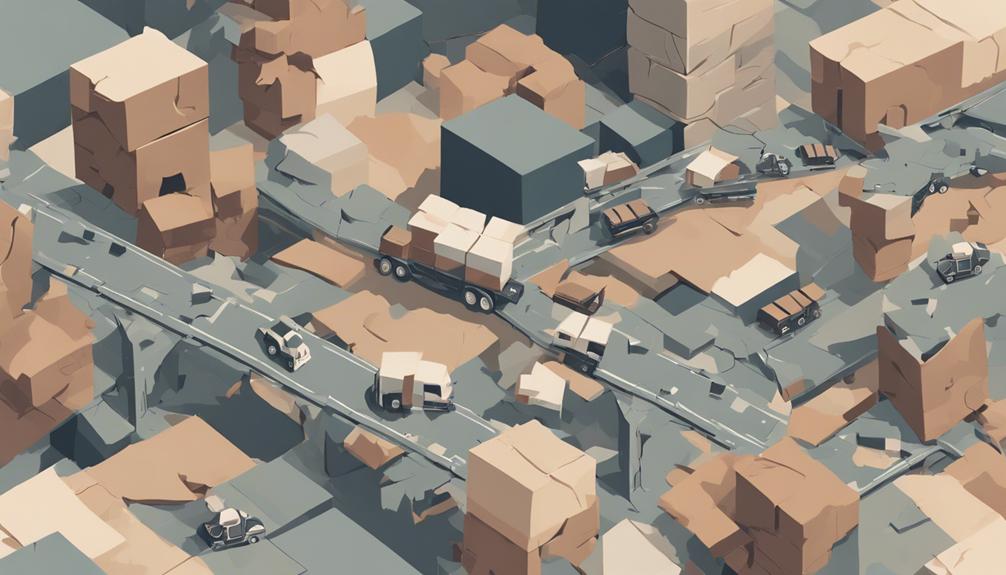
During the pandemic, we witnessed a staggering 70% of small businesses experiencing supply chain disruptions, which severely impacted their ability to maintain operations and meet customer demands. These disruptions were largely due to lockdowns, social distancing measures, and border closures, which hindered the flow of goods and services. As a result, we saw a significant delay in shipments, increased transportation costs, and a shortage of essential materials.
We struggled to adapt to the new reality, where even the most basic supplies became scarce. This had a ripple effect throughout the entire supply chain, causing delays and shortages that trickled down to the end-consumer. Many small businesses were forced to halt production, leading to lost revenue and damaged relationships with customers. The lack of visibility and control over the supply chain only added to the frustration, making it difficult for us to plan and make informed decisions.
The pandemic exposed the weaknesses in our supply chains, highlighting the need for greater flexibility, agility, and resilience. We learned that diversifying our suppliers, investing in digital technologies, and building strong relationships with logistics providers are essential in mitigating the risks associated with supply chain disruptions. As we navigate the recovery phase, we're taking steps to strengthen our supply chains, ensuring that we're better equipped to face future challenges and disruptions. By doing so, we can regain the trust of our customers and get back to business as usual.
Shifts in Consumer Spending Habits
As we navigate the pandemic's aftermath, we're witnessing a significant shift in consumer spending habits. We're noticing that people are adopting a "new normal" approach to spending, prioritizing essential items and cutting back on discretionary purchases. Meanwhile, digital platforms are emerging as a preferred channel for consumers, forcing small businesses to adapt and rethink their sales strategies.
New Normal Spending
We've had to adapt to a new normal, and our spending habits have drastically shifted in response to the pandemic. As we navigate this uncharted territory, it's become clear that our priorities have changed. We're more cautious with our wallets, and we're rethinking what's truly essential.
Here are a few ways our spending habits have changed:
- Delayed discretionary spending: We're putting off non-essential purchases, like vacations and luxury items, until we feel more financially secure.
- Increased focus on health and wellness: We're investing in our physical and mental health, prioritizing self-care and wellness activities.
- Shift to online shopping: We're doing more of our shopping online, avoiding crowded stores and opting for the convenience of delivery or curbside pickup.
- Support for local businesses: We're making a conscious effort to shop local, recognizing the importance of supporting our community's small businesses.
These shifts in spending habits have significant implications for small businesses, which must adapt to these new consumer behaviors to stay afloat.
Digital Platforms Rise
Online marketplaces and social media platforms have become essential destinations for product discovery, comparison, and purchase, revolutionizing the way we shop and interact with small businesses. We're no longer limited to physical stores or word-of-mouth recommendations. With just a few clicks, we can explore products, read reviews, and make purchases from the comfort of our homes. This shift in consumer behavior has forced small businesses to adapt and innovate, lest they fall behind.
We've witnessed a significant rise in e-commerce, with many small businesses creating their own online stores or leveraging existing platforms like Amazon, Etsy, or eBay. Social media platforms, in particular, have become vital for small businesses to reach a wider audience, build brand awareness, and drive sales. We're more likely to engage with a business that has a strong online presence, and we expect a seamless shopping experience across online channels. As a result, small businesses must invest in digital marketing, website development, and online customer service to stay competitive in this new landscape.
Government Support and Aid Packages

As we navigate the complex landscape of pandemic recovery, it's essential to acknowledge the significant role government support and aid packages have played in helping small businesses stay afloat. Government aid packages, such as the Paycheck Protection Program in the United States, have provided an indispensable lifeline to small businesses, helping them stay afloat during the pandemic's darkest days.
These packages have enabled small business owners to:
- Retain employees: By providing financial support, aid packages have allowed small businesses to keep their staff on the payroll, ensuring that employees can continue to support themselves and their families.
- Cover operational costs: Aid packages have helped small businesses cover essential expenses, such as rent and utilities, keeping them operational despite the pandemic's disruptions.
- Adapt to new realities: With the help of government support, small businesses have been able to pivot their operations to accommodate new health and safety protocols, ensuring their customers' safety.
- Plan for the future: By providing a financial safety net, aid packages have given small business owners the confidence to look beyond the pandemic, planning for a brighter future for their businesses and employees.
Rise of E-commerce and Delivery
Government aid has helped small businesses stay afloat, but it’s our rapid adoption of e-commerce and delivery services that’s truly transformed the way we do business. We’ve had to adapt quickly to stay competitive, and it’s paid off. Online shopping has become the new norm, and we’ve risen to the challenge. Our websites and social media platforms are now vital sales channels, allowing us to reach customers who can’t or won’t venture out to physical stores. As we’ve embraced these digital tools, our marketing strategies have also evolved to include targeted ads and influencer partnerships, maximizing our reach and engagement. However, navigating this new landscape isn’t without its challenges; just as businesses rely on innovation, we must also consider the implications of political campaign funding sources that influence regulations impacting our operations. By staying informed and adaptable, we can continue to thrive in an ever-changing marketplace while advocating for policies that support small businesses.
We've also invested heavily in delivery services, recognizing that convenience is key to customer loyalty. It's no longer just about offering a product, but about getting it to customers quickly and efficiently. We've partnered with delivery companies, invested in logistics, and even explored alternative delivery methods like curbside pickup or drone delivery. The result? We're seeing increased sales, improved customer satisfaction, and a significant reduction in overhead costs.
The rise of e-commerce and delivery has also enabled us to tap into new markets and expand our customer base. We're no longer limited by geography, and our products can reach customers globally. This shift has forced us to become more agile, innovative, and customer-centric. While it's been a steep learning curve, we're excited about the opportunities this new landscape presents. We're confident that our ability to adapt and innovate will be key to our long-term success.
Labor Shortages and Staffing Issues
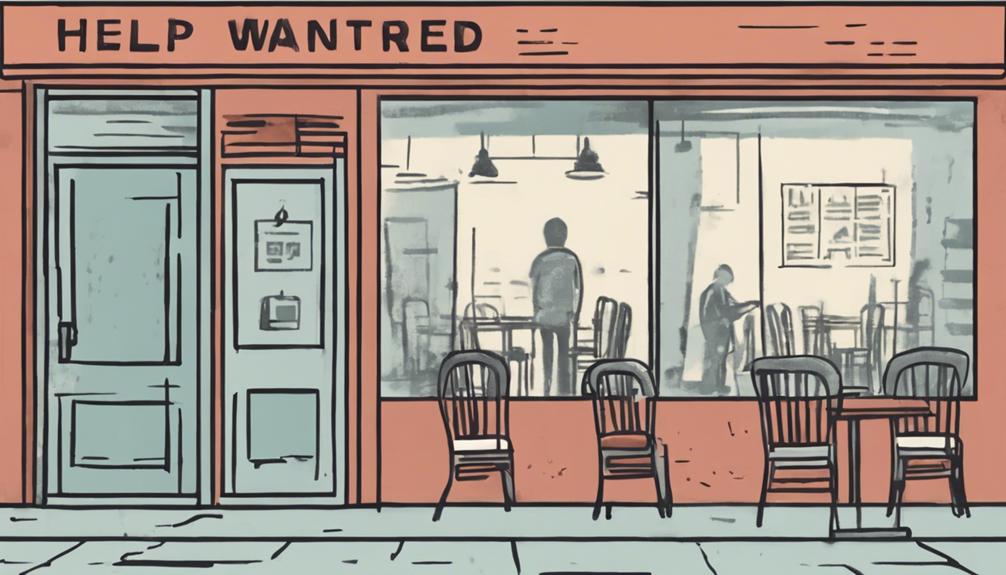
While we've successfully pivoted to e-commerce and delivery, we're now facing a new challenge: finding and retaining the staff needed to keep our operations running smoothly. As small business owners, we're not alone in this struggle. Many of us are finding it tough to attract and retain employees, which is hindering our ability to meet growing demand.
The labor shortage is a harsh reality we're facing, and it's impacting our bottom line. We're having to get creative to fill the gaps, but it's taking a toll on our existing staff. Overtime, burnout, and turnover are just a few of the consequences we're dealing with.
Here are just a few examples of what we're up against:
- Essential positions: We're seeing a significant decline in job applicants, leaving us with vacant positions that are essential to our operations.
- Exhausted employees: Our existing staff are shouldering the burden, working longer hours, and taking on more responsibilities to compensate for the lack of staff.
- Increased turnover: The constant flux of new hires and departures is disrupting our workflow and affecting morale.
- Higher recruitment costs: We're having to invest more in recruitment agencies, job postings, and training programs to attract and retain staff, which is eating into our profits.
We're doing everything in our power to adapt, but it's clear that labor shortages and staffing issues are a major hurdle in our pandemic recovery journey.
Long-term Debt and Financial Strains
How are we supposed to recover from the pandemic when we're drowning in debt, with loan payments and interest rates suffocating our cash flow? We're not alone in this struggle. Many small businesses, including ours, took on significant debt to stay afloat during the pandemic. The loans and credit lines that kept us afloat during the lockdowns and supply chain disruptions now threaten to sink us. The interest rates are staggering, and the monthly payments are crippling our ability to invest in our business.
We're not making enough to cover our expenses, let alone pay off the principal. The debt is a constant stress, weighing heavily on our minds and impacting our ability to make decisions. We're forced to make tough choices, like delaying payments to suppliers or cutting back on essential expenses. This vicious cycle is unsustainable, and we're not sure how much longer we can keep up this charade.
The worst part is that we're not even sure if we'll be able to recover. The debt is suffocating, and it's hard to see a way out. We're trapped in a never-ending cycle of debt, with no clear exit strategy. We're not alone in this struggle, and we're not sure how much longer we can hold on. The pandemic may be behind us, but the financial scars will linger for years to come.
Frequently Asked Questions
How Can Small Businesses Maintain Cash Flow During Pandemic Recovery?
We're all too familiar with the struggle to maintain cash flow, especially during pandemic recovery. To stay afloat, we're implementing a few strategies. First, we're prioritizing accounts receivable and focusing on speedy invoicing to get paid faster. We're also negotiating with suppliers to extend payment terms and exploring government-backed loans or grants. Additionally, we're reducing costs by cutting non-essential expenses and renegotiating contracts. By taking these proactive steps, we're confident we can keep our cash flow stable and our business thriving.
What Are the Long-Term Effects of Pandemic on Small Business Owners' Mental Health?
We're no strangers to stress, but did you know that 75% of entrepreneurs experience anxiety and depression? As small business owners, we've faced unprecedented pressure during the pandemic. The long-term effects on our mental health are alarming. We've witnessed friends and peers struggle with PTSD, anxiety, and depression. We're not just fighting to keep our businesses afloat, but also our sanity. It's time to acknowledge the emotional toll and prioritize our well-being.
Can Small Businesses Claim Insurance for Pandemic-Related Losses?
We're wondering if our small business can claim insurance for pandemic-related losses. Unfortunately, it's not a straightforward answer. Typically, business interruption insurance only covers physical damage, not pandemics. However, some policies might have extensions for infectious diseases or government-ordered closures. We'll need to review our policies carefully and consult with our insurers to determine if we're eligible for reimbursement.
How Do Pandemic Restrictions Impact Small Business Marketing Strategies?
The irony – we're forced to socially distance, yet our marketing strategies need to be more social than ever! As we navigate pandemic restrictions, we're finding creative ways to reach customers. We're shifting focus from in-store experiences to online engagement, leveraging social media and email marketing to stay connected. It's a challenge, but we're adapting, and our marketing strategies are becoming more innovative and resilient as a result.
What Role Do Community Networks Play in Supporting Small Businesses During Recovery?
As we navigate the road to recovery, we've come to realize that community networks play an essential role in supporting small businesses. We've seen how local partnerships, mentorship programs, and online forums have helped entrepreneurs access resources, share knowledge, and build resilience. By fostering connections and collaborations, community networks have become a lifeline for small businesses, enabling them to adapt, innovate, and ultimately thrive in the face of adversity.
