

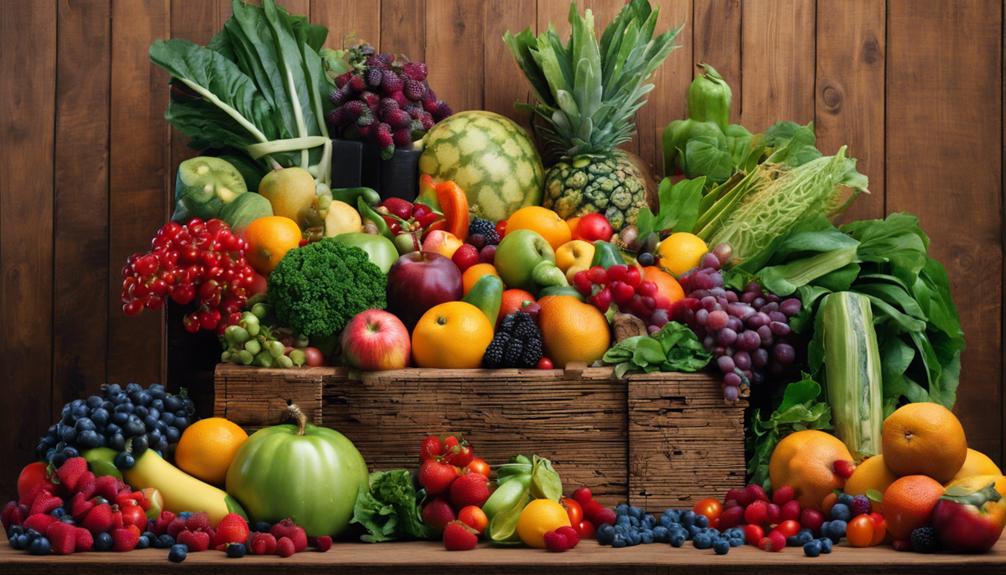
A plant-based diet offers a multitude of benefits for overall health and well-being, from reducing the risk of chronic diseases to improving mental health and mood, while also promoting environmental sustainability. By focusing on whole, minimally processed foods, individuals can lower their risk of heart disease, type 2 diabetes, and certain cancers. A plant-based diet also boosts energy, supports weight loss, and fosters a healthy gut microbiome. Additionally, it has a lower environmental impact and can even improve mental health and mood. As you explore the world of plant-based nutrition, you'll uncover even more advantages that can transform your overall well-being.
Reducing Chronic Disease Risk
Reducing Chronic Disease Risk
Embracing a plant-based diet has been shown to significantly reduce the risk of chronic diseases, including heart disease, type 2 diabetes, and certain types of cancer. This is attributed to the high levels of fiber, vitamins, and minerals found in plant-based foods, which help to mitigate the development of these diseases. A diet rich in fruits, vegetables, whole grains, and legumes has been proven to lower blood pressure, cholesterol levels, and body mass index, all of which are significant risk factors for chronic diseases.
The antioxidants and phytochemicals present in plant-based foods also play an important role in reducing inflammation and oxidative stress, which are underlying factors in the development of chronic diseases. Additionally, a plant-based diet tends to be naturally low in saturated fats, added sugars, and refined carbohydrates, which are common culprits in the development of chronic diseases.
Boosting Energy and Weight Loss
A plant-based diet has been shown to be a powerful energizer, as the abundance of vitamins, minerals, and antioxidants in whole foods helps to fuel the body's energy-producing mechanisms, leading to enhanced physical and mental vitality. This is because plant-based foods are rich in nutrients, fiber, and water content, making them more filling and satisfying, which can lead to weight loss and improved overall health.
In addition to boosting energy, a plant-based diet has also been shown to support weight loss. By focusing on whole, minimally processed foods, individuals can avoid the high calorie and fat content found in many animal products and processed foods. This can lead to a reduction in body mass index (BMI) and a decrease in the risk of obesity-related diseases.
| Food Group | Energy-Boosting Nutrients | Weight Loss Benefits |
|---|---|---|
| Fruits | Vitamin C, potassium | High water content, low calorie density |
| Leafy Greens | Iron, magnesium | High fiber, low calorie density |
| Legumes | Protein, fiber | High satiety, low calorie density |
| Nuts and Seeds | Healthy fats, magnesium | Satisfying, low calorie density |
| Whole Grains | Complex carbohydrates, B vitamins | High fiber, low calorie density |
Environmental Impact and Sustainability
In addition, notably
The production and distribution of plant-based foods tend to have a considerably lower environmental impact compared to animal-based products, making a plant-based diet an essential component of a sustainable lifestyle. This is largely attributed to the reduced greenhouse gas emissions, water consumption, and land use associated with plant-based agriculture. For instance, it is estimated that animal agriculture accounts for around 14.5% of global greenhouse gas emissions, whereas plant-based food production contributes a mere 2%. Notably, it takes significantly more water and land to produce animal products, exacerbating the environmental burden.
A plant-based diet also reduces food waste, as plant-based products tend to have a longer shelf life and are less prone to spoilage. Additionally, plant-based diets often promote local and seasonal food consumption, reducing transportation emissions and supporting local economies. The adoption of plant-based diets can also help preserve biodiversity, as animal agriculture is a leading cause of deforestation and habitat destruction.
Innovative and sustainable agricultural practices, such as vertical farming and regenerative agriculture, are also being developed to support the growing demand for plant-based foods. These practices prioritize soil health, conserve water, and promote ecosystem services, further minimizing the environmental footprint of plant-based diets. By adopting a plant-based diet, individuals can notably reduce their carbon footprint, contributing to a more sustainable future for generations to come. Incorporating these innovative agricultural methods aligns with the top habits of balanced individuals, who prioritize sustainability in their lifestyles. By making conscious choices about their food sources, they not only support local economies but also foster a healthier planet. Ultimately, adopting plant-based diets and supporting sustainable farming practices can empower individuals to be more mindful of their consumption patterns, ensuring a harmonious relationship with nature.
Supporting Healthy Gut Bacteria
Embracing a plant-based diet has been shown to have a profound impact on the gut microbiome, fostering a diverse and thriving community of beneficial bacteria. This is largely due to the high fiber content of plant-based foods, which serves as a prebiotic, providing sustenance for the good bacteria, allowing them to flourish. A healthy gut microbiome is essential for a robust immune system, proper digestion, and even the production of certain vitamins.
A plant-based diet rich in fruits, vegetables, and whole grains provides an array of polyphenols, flavonoids, and other phytochemicals that selectively feed the beneficial bacteria, promoting a balanced gut ecosystem. Additionally, the high antioxidant content of plant-based foods helps to reduce oxidative stress and inflammation in the gut, creating an environment conducive to the growth of beneficial bacteria.
Studies have consistently shown that individuals following a plant-based diet have a more diverse gut microbiome compared to those consuming a traditional Western diet. This diversity is critical, as it allows for a more resilient immune system and improved overall health. By embracing a plant-based diet, individuals can cultivate a thriving community of beneficial bacteria, leading to improved gut health and a stronger immune system.
Improving Mental Health and Mood
In addition to its benefits for gut health, a plant-based diet has also been shown to have a profound impact on mental health and mood, with a growing body of research suggesting that it may even help alleviate symptoms of depression and anxiety. This is likely due to the high levels of antioxidants, fiber, and omega-3 fatty acids found in plant-based foods, which have been shown to reduce inflammation and promote a healthy gut-brain axis.
Studies have consistently demonstrated that individuals following a plant-based diet exhibit improved mood states, reduced symptoms of anxiety and depression, and enhanced cognitive function. For example, a 2014 study published in the journal Nutrition Research found that a plant-based diet rich in fruits, vegetables, and whole grains notably reduced symptoms of depression in a group of young adults.
Furthermore, plant-based diets tend to be high in tryptophan, an amino acid that is converted into serotonin in the brain, which helps regulate mood. Additionally, the high levels of magnesium and potassium found in plant-based foods can help reduce symptoms of anxiety and promote relaxation.
Frequently Asked Questions
Can I Get Enough Protein on a Plant-Based Diet?
Imagine a world where protein-packed legumes, nuts, and seeds fuel your active lifestyle. Rest assured, a well-planned plant-based diet can provide abundant protein for peak health. Legumes like lentils, chickpeas, and black beans offer 15-18 grams of protein per 1-cup serving. Nuts and seeds like almonds, chia, and hemp provide a boost of protein and healthy fats. With a little creativity, you can thrive on a plant-based diet, reaping the rewards of a strong, healthy body.
Will I Get Enough Vitamin B12 on a Plant-Based Diet?
Vitamin B12 is an essential nutrient, and concerns about its availability on a plant-based diet are valid. Fortunately, several plant-based sources can provide adequate B12. Fortified cereals, plant-based milk, and meat substitutes are common sources. Additionally, nutritional yeast, a popular vegan ingredient, is naturally rich in B12. With a well-planned diet, vitamin B12 deficiency can be easily avoided. It is crucial to consult with a healthcare professional or registered dietitian to guarantee sufficient B12 intake.
Are Plant-Based Diets More Expensive Than Traditional Diets?
Fiscal flexibility is a fundamental factor in food choices, and the notion that plant-based diets are more expensive than traditional diets is a common misconception. While exotic, specialty, and organic options can be pricey, whole, minimally processed plant foods like beans, grains, and vegetables are often cost-effective. Strategic shopping and meal planning can help mitigate costs, making a plant-based diet a financially feasible and healthy choice.
Can I Eat Out at Restaurants on a Plant-Based Diet?
When dining out, plant-based individuals can still enjoy a variety of options. Many restaurants now cater to plant-based patrons, offering vegan and vegetarian menus. Online review platforms and apps, such as Happy Cow, help identify plant-friendly eateries. Additionally, don't be afraid to ask your server about modifications or substitutions to accommodate your dietary needs. With a little planning and communication, eating out on a plant-based diet can be a seamless and enjoyable experience.
Do I Need to Take Supplements on a Plant-Based Diet?
Imagine a vibrant, thriving garden, where every bloom represents a nutrient-rich plant-based meal. But, like a gardener tending to their soil, you may wonder if supplements are necessary to guarantee peak health. The answer lies in careful planning. A well-designed plant-based diet can provide all essential nutrients, making supplements unnecessary. However, individuals with specific needs, such as vitamin B12 or omega-3 deficiencies, may require targeted supplementation.
