


As we immerse ourselves in the world of Fashion Week, we uncover valuable lessons for businesses across industries. We learn the importance of building a strong brand identity, harnessing the power of visual storytelling, and cultivating authentic influencer partnerships. We see the impact of immersive brand experiences, the need to stay ahead of trends, and the value of strategic networking. By applying these insights, businesses can drive engagement, boost brand loyalty, and ultimately, increase revenue. As we explore these strategies further, we’ll uncover even more secrets to success in the world of fashion and beyond. Moreover, we are witnessing fashion retailers transforming ecommerce through innovative approaches that enhance customer experiences and streamline shopping processes. By leveraging technology such as augmented reality and personalized recommendations, these retailers are not only capturing the attention of consumers but also fostering deeper connections with them. As businesses adopt these forward-thinking strategies, they position themselves for long-lasting success in an ever-evolving marketplace.
Building a Strong Brand Identity

We establish our brand identity by carefully selecting a unique blend of visual elements, tone, and language that resonates with our target audience. This identity serves as the foundation of our brand, setting us apart from competitors and creating a lasting impression on our customers.
As we build our brand, we prioritize consistency across all platforms, from social media to marketing materials. We guarantee our voice remains consistent, whether we're engaging with customers online or speaking at events. This cohesiveness helps establish trust and credibility with our audience.
Our brand identity is more than just a logo or color scheme – it's the personality and values that shine through in every interaction. We aim to create an emotional connection with our customers, making them feel seen and understood. By doing so, we foster loyalty and advocacy, ultimately driving business growth.
We acknowledge that our brand identity is not static; it evolves as we learn and adapt to changing customer needs and market trends. By staying attuned to our audience and remaining true to our core values, we ensure our brand remains authentic and relatable. As we continue to refine our brand identity, we stay focused on building a loyal community that shares our passion and vision.
The Power of Visual Storytelling
As we craft a brand identity that resonates with our audience, we're reminded that a picture is worth a thousand words, and the strategic use of visual elements can convey our message more effectively than words alone. Visual storytelling has the power to evoke emotions, create connections, and drive engagement. In the world of fashion, visual storytelling is essential, as it allows designers to showcase their creations and convey their brand's aesthetic.
| Visual Element | Effectiveness in Storytelling |
|---|---|
| High-quality images | 90% of information transmitted to the brain is visual |
| Videos | 65% of people are visual learners |
| Infographics | 40% increase in engagement with visual content |
| Color schemes | 80% of people remember what they see, not what they read |
| Models/Diversity | 85% of consumers say diversity in advertising is important |
Influencer Marketing Done Right
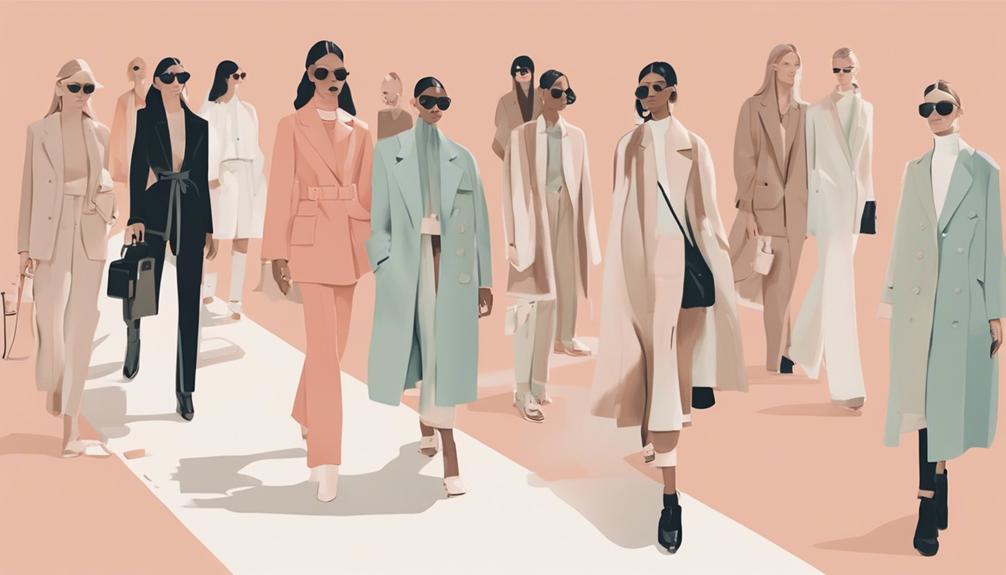
Seventy percent of millennials trust influencer opinions over traditional celebrities, making strategic partnerships an essential component of fashion brands' marketing strategies. As we delve into the world of influencer marketing, we've learned that it's not just about partnering with anyone who has a large following. It's about finding the right fit for our brand. We've seen that when done correctly, influencer marketing can drive engagement, increase brand awareness, and ultimately, boost sales.
To get it right, we focus on the following key elements:
- Relevance: We partner with influencers who align with our brand values and aesthetic.
- Authenticity: We look for influencers who genuinely use and love our products, ensuring their promotions feel organic and trustworthy.
- Reach: We consider the influencer's audience demographics, ensuring they align with our target market.
- Content quality: We prioritize influencers who create high-quality, engaging content that showcases our products in a compelling way.
- Measurable goals: We establish clear objectives and track the success of our influencer partnerships to refine our strategy.
Creating Immersive Brand Experiences
By designing immersive brand experiences, fashion brands can forge deep emotional connections with their audience, driving loyalty and advocacy. We've seen it time and time again at Fashion Week – brands that create memorable, Instagrammable moments that transport their audience to a unique world. These experiences not only generate buzz but also foster a sense of belonging among attendees. When executed correctly, they become an integral part of the brand's identity.
As we've learned, it's crucial to take into account every detail, from the venue to the music, decor, and even scents. We're not just talking about hosting an event; we're talking about curating an atmosphere that resonates with our target audience. For instance, a luxury brand might opt for an opulent setting, complete with champagne and canapés, while a more laid-back brand might choose a rooftop party with a DJ and craft beer.
The key is to create an experience that aligns with our brand's personality and values. By doing so, we can build trust and establish a connection that goes beyond a simple transaction. We're no longer just selling clothes; we're selling a lifestyle, a sense of community, and a feeling. And when our audience feels seen, heard, and understood, they become our most loyal ambassadors. So, let's think beyond the runway and focus on crafting experiences that leave a lasting impression.
Staying Ahead of the Trends
We're constantly scanning the horizon for the next big thing, because in the fast-paced world of fashion, staying ahead of the trends is essential for survival. If we don't adapt, we risk being left behind. In the business world, staying ahead of the trends means being proactive, innovative, and open to change. This mindset allows us to anticipate and respond to shifts in the market, consumer behavior, and industry developments.
To stay ahead of the trends, we:
- Conduct market research: We stay informed about the latest consumer preferences, industry developments, and emerging technologies.
- Encourage innovation: We foster a culture that encourages creativity, experimentation, and calculated risk-taking.
- Monitor competitors: We keep a close eye on our competitors, analyzing their strategies and identifying opportunities to differentiate ourselves.
- Embrace agility: We're willing to pivot when necessary, adjusting our strategies to respond to changing circumstances.
- Invest in employee development: We prioritize continuous learning and professional growth, ensuring our team is equipped to tackle emerging trends and challenges.
Effective Social Media Strategies
As we navigate the fast-paced world of fashion, we've come to realize that an effective social media strategy is vital for staying ahead of the game. We've found that using high-quality visuals to tell a story is essential, as it allows us to connect with our audience on a deeper level. Additionally, engaging with our followers in real-time has proven to be a game-changer, enabling us to build a loyal community that drives our brand forward.
Visual Storytelling Matters
Our social media feeds are flooded with visual content, making it imperative to craft a compelling narrative that sets our brand apart from the rest. As we navigate the world of fashion week, we're reminded that visual storytelling is key to capturing our audience's attention. After all, a single image can convey a message more effectively than a thousand words.
To create a visual narrative that resonates, we should:
- Use high-quality images: Invest in professional photography that showcases our products in the best light.
- Showcase our brand's personality: Use visuals to convey our brand's values, tone, and aesthetic.
- Create a consistent visual identity: Establish a recognizable visual brand that ties in with our overall brand strategy.
- Tell a story through sequences: Use a series of images to tell a story, rather than relying on a single image.
- Experiment with multimedia content: Incorporate videos, GIFs, and other multimedia elements to keep our audience engaged.
Real-Time Engagement
By crafting a compelling visual narrative, we've laid the groundwork for real-time engagement, which is where the conversation really takes off. This is where we can truly connect with our audience, respond to their feedback, and create a sense of community. We've seen it time and time again at Fashion Week: a brand posts a stunning image, and suddenly the comments are flooded with likes, loves, and enthusiastic responses. But it's not just about likes – it's about sparking a dialogue. By responding to comments, answering questions, and sharing behind-the-scenes insights, we can humanize our brand and build trust with our audience. Real-time engagement is about being present, being authentic, and being responsive. We can use social media listening tools to stay on top of conversations, identify trends, and jump into relevant discussions. By doing so, we can turn casual observers into loyal fans, and create a brand that's relatable, approachable, and memorable.
The Importance of Networking Events
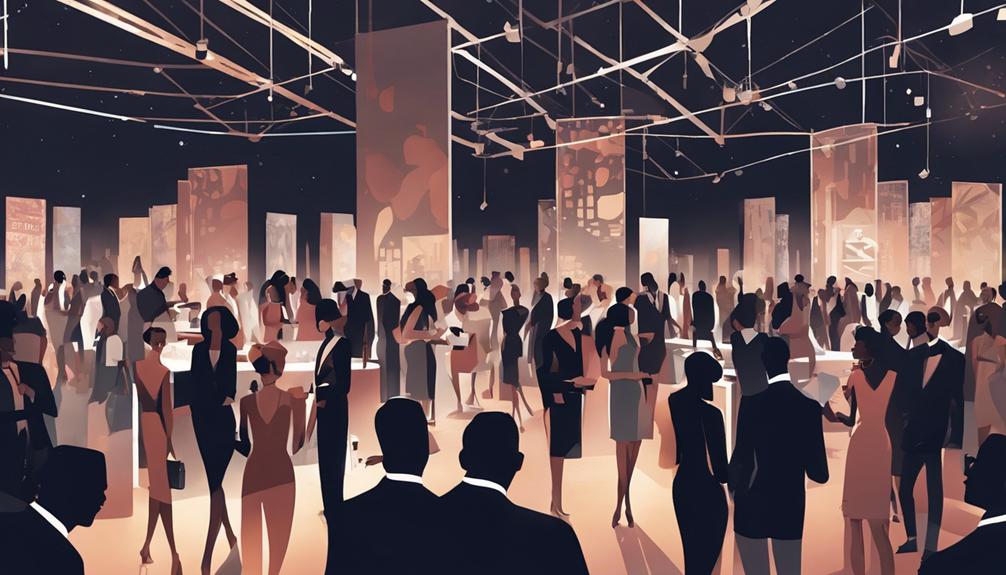
We've all been there – attending a fashion show or exhibition, surrounded by industry insiders, influencers, and potential collaborators, yet struggling to make meaningful connections. It's easy to get caught up in the excitement of the event, but without a clear strategy, we often leave with a handful of business cards and a faint memory of conversations.
However, networking events like fashion week offer a unique opportunity to build relationships, generate leads, and stay ahead of the curve. So, how can we make the most of these events?
Here are a few key takeaways:
- Prepare an elevator pitch: Craft a concise, 30-second summary of your business and goals to pique the interest of potential collaborators.
- Set clear objectives: Identify specific people or organizations you want to meet and what you hope to achieve from the encounter.
- Focus on quality over quantity: Instead of collecting as many business cards as possible, focus on having in-depth conversations with a smaller group of people.
- Follow up: After the event, be sure to send a follow-up email or LinkedIn request to keep the connection alive.
- Be authentic and patient: Building relationships takes time, so be genuine in your approach and don't expect overnight results.
Innovative Product Launches and Shows
Two of the most highly anticipated events during Fashion Week are innovative product launches and shows, which generate immense buzz and excitement in the industry. We're always thrilled to witness the introduction of new and innovative designs, fabrics, or technologies that push the boundaries of fashion. These events not only create a stir among fashion enthusiasts but also set the tone for future trends.
As we attend these events, we can't help but notice the attention to detail and creativity that goes into crafting an immersive experience. The atmosphere is electric, with mesmerizing visuals, pulsating music, and strategically placed interactive exhibits. It's not just about showcasing products; it's about creating an emotional connection with the audience. We see how brands cleverly weave their narratives around the launch, making it an unforgettable experience.
What can businesses learn from these events? In the first place, the importance of storytelling cannot be overstated. By crafting a compelling narrative, brands can create an emotional connection with their audience, making their products more relatable and desirable. Next, the emphasis on immersive experiences highlights the value of experiential marketing. By creating memorable experiences, businesses can generate buzz, build brand loyalty, and ultimately drive sales. As we reflect on these innovative product launches and shows, we're reminded that fashion is not just about clothes; it's about the emotions, experiences, and connections that bring people together.
User-Generated Content and Engagement
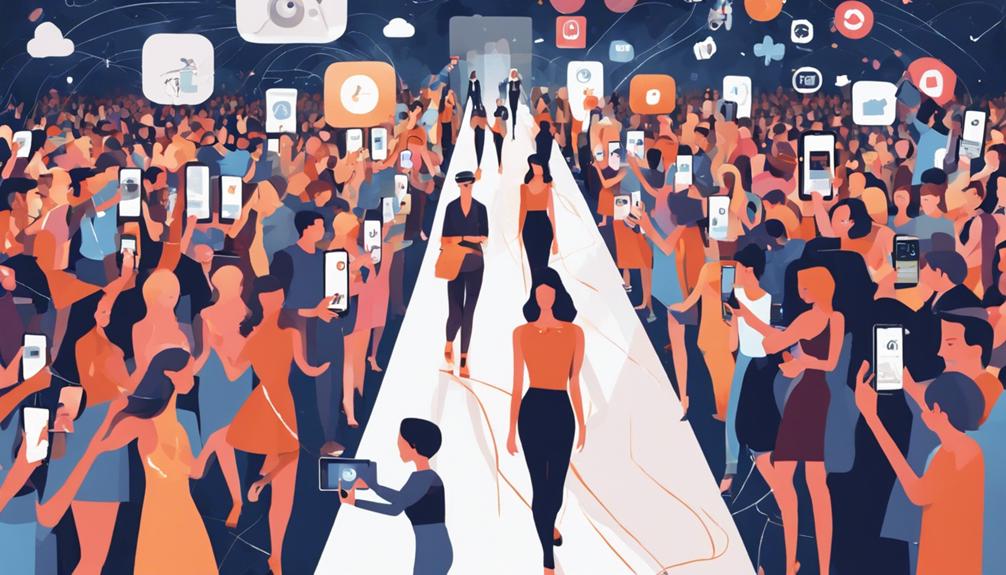
As we explore the world of Fashion Week, we're seeing a significant shift towards user-generated content and engagement. We're finding that social proof is becoming a powerful tool, with brands leveraging customer testimonials and reviews to build credibility. What's more, authentic voices are rising to the forefront, as consumers increasingly crave genuine connections with the brands they love.
Social Proof Power
During Fashion Week, the real showstopper isn't always on the runway, but rather in the user-generated content that floods social media, showcasing attendees' personal styles and experiences. We're not just talking about influencers and celebrities; it's the everyday attendees who share their own Fashion Week adventures, creating a sense of FOMO (fear of missing out) and social proof. This user-generated content is incredibly powerful, as it provides social validation and credibility to the event.
Here are a few ways we can harness the power of social proof in our own businesses:
- Encourage user-generated content: Incentivize customers to share their experiences with your brand on social media.
- Feature customer testimonials: Showcase customer reviews, ratings, and feedback on your website or marketing materials.
- Utilize social media influencers: Partner with influencers who align with your brand values to promote your products or services.
- Create a sense of community: Foster a community around your brand, where customers can interact and share their experiences with each other.
- Monitor and respond to online reviews: Respond promptly to customer feedback, both positive and negative, to show that you value their opinions.
Authentic Voices Rise
We're witnessing a seismic shift in the way brands connect with their audiences, as authentic voices and user-generated content take center stage, allowing customers to become the ultimate storytellers. This shift is revolutionizing the way we engage with brands, as we crave genuine connections and transparency. User-generated content is no longer just a nice-to-have; it's a necessity for brands that want to build trust and loyalty with their customers.
We're seeing a rise in brands that empower their customers to share their stories, experiences, and opinions. This not only humanizes the brand but also creates a sense of community and belonging. When customers feel heard and seen, they become loyal advocates who drive word-of-mouth marketing and propel business growth.
As we navigate the world of fashion and beyond, it's clear that authentic voices and user-generated content are the keys to establishing meaningful connections with our audiences. By embracing this shift, we can build stronger, more loyal relationships with our customers and create a more authentic, customer-centric brand experience.
Measuring Success and ROI
By tracking key performance indicators (KPIs) such as attendance, social media engagement, and sales, fashion brands can quantify the success of their Fashion Week events and calculate a tangible return on investment (ROI). We've learned that measuring success goes beyond just feeling proud of a well-executed show. It's about understanding what worked, what didn't, and how to improve for the next event.
To effectively measure success, we consider the following essential metrics:
- Website traffic and online engagement: Analyze website traffic, social media engagement, and online mentions to gauge interest and buzz around the brand.
- Sales and revenue growth: Track sales figures before, during, and after the event to determine if the brand's exposure translated to increased sales.
- Influencer and media coverage: Monitor media coverage, influencer partnerships, and brand mentions to assess the event's impact on brand visibility.
- Attendee demographics and feedback: Collect data on attendee demographics, survey responses, and feedback to refine the brand's targeting and event strategy.
- Cost-benefit analysis: Calculate the total investment in the event, including production costs, talent fees, and marketing expenses, to determine the ROI of the event.
Frequently Asked Questions
How Do I Balance Creativity With Commercial Appeal in Fashion Branding?
As we navigate the world of fashion branding, we often struggle to balance creativity with commercial appeal. We want our brand to stand out, but we also need to appeal to a wide audience. We've found that it's all about finding a sweet spot. We take risks, but not too many. We push boundaries, but not too far. It's a delicate balance, but when we get it right, our brand shines.
Can I Use Stock Images for Visual Storytelling or Must I Create Custom Content?
"A picture is worth a thousand words," and when it comes to visual storytelling, we've got a dilemma. Can we get away with using stock images, or do we need to invest in custom content? We think it's a mix of both. Stock images can save time and budget, but custom content helps us stand out and tells a more authentic story. We're opting for a hybrid approach, using stock images for filler and creating custom content for key messaging.
What's the Ideal Ratio of Promotional to Educational Content on Social Media?
We're often asked about the perfect blend of promotional and educational content on social media. Honestly, there's no one-size-fits-all answer, but we've found a good starting point is the 80/20 rule: 80% educational and 20% promotional. This ratio helps us build trust and provide value to our audience, making them more receptive to our promotional content. We can always adjust this ratio based on our audience's engagement and feedback.
How Can I Measure the ROI of Influencer Partnerships and Collaborations?
As we immerse ourselves in the world of influencer partnerships, it's like trying to find a needle in a haystack – measuring ROI can be a challenging task. But fear not! We've got a few tricks up our sleeve. To calculate ROI, we track engagement metrics like likes, comments, and saves, as well as conversions, like sales or sign-ups. We also use promo codes and affiliate links to monitor the partnership's impact. By doing so, we get a clear picture of whether our influencer collaborations are paying off.
What's the Best Way to Handle Negative Reviews and Criticism on Social Media?
When it comes to handling negative reviews and criticism on social media, we've learned to take a deep breath and respond promptly. We don't ignore or delete comments, as that can escalate the situation. Instead, we acknowledge the issue, apologize if necessary, and offer a solution or explanation. We've found that transparency and empathy go a long way in diffusing tension and turning negative experiences into opportunities for growth.
