

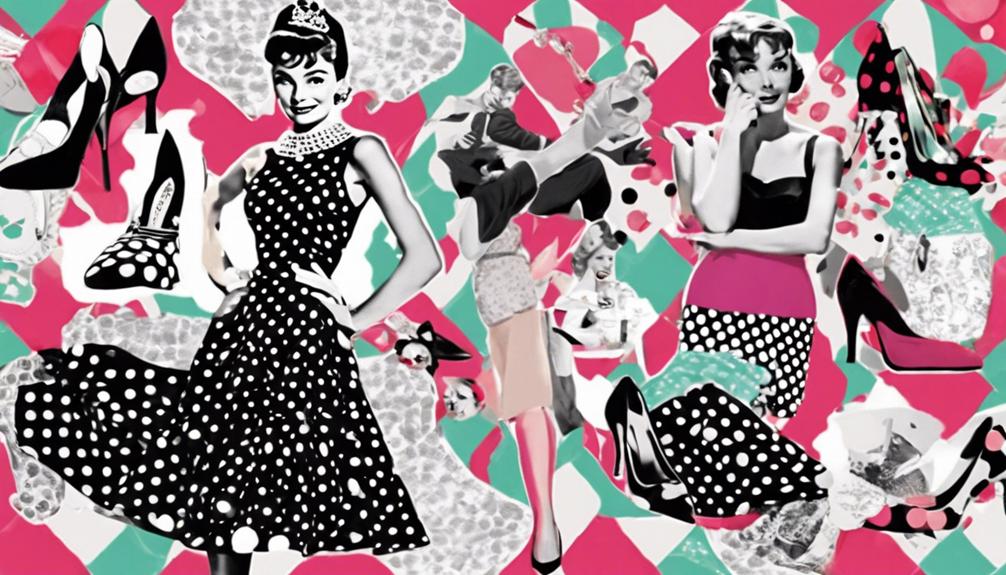
From Audrey Hepburn's little black dress in Breakfast at Tiffany's to Darth Vader's iconic helmet in Star Wars, film has long been a catalyst for fashion inspiration, driving trends, and shaping style. The glamour of Old Hollywood, retro revivals, and era-defining styles in sci-fi have all contributed to fashion's evolution. The 1980s New Wave chic and modern classics in contemporary cinema have further influenced the industry. With iconic outfits and trends emerging from the movies, the intersection of fashion and film continues to inspire designers, filmmakers, and enthusiasts alike, and there's still much to explore in this enchanting domain.
Timeless Glamour of Old Hollywood
During Hollywood's Golden Age, which spanned from the 1920s to the 1960s, the silver screen showcased a plethora of timeless fashion icons, including Greta Garbo, Audrey Hepburn, and Marilyn Monroe, who exemplified elegance and sophistication in their on-screen personas. These legendary actresses not only captivated audiences with their talent but also inspired fashion trends that continue to influence designers today.
Greta Garbo's androgynous style, characterized by tailored suits and fedoras, embodied the modernist spirit of the era. Audrey Hepburn's gamine chic, marked by little black dresses, ballet flats, and pearls, remains an enduring symbol of understated elegance. Marilyn Monroe's provocative curves, accentuated by body-hugging dresses and stilettos, redefined femininity on screen.
These iconic actresses’ fashion choices not only reflected the cultural and social norms of their time but also transcended their era. Their influence can be seen in contemporary fashion, from haute couture runways to high-street fashion brands. The timeless glamour of Old Hollywood continues to inspire fashion designers, stylists, and enthusiasts alike, cementing its status as a cultural touchstone. As a result, the intersection of fashion and film remains a potent catalyst for innovation, perpetuating a legacy of style and sophistication that continues to captivate audiences worldwide. Moreover, today’s fashion icons of the 21st century draw on the rich tapestry of Old Hollywood, blending vintage aesthetics with modern sensibilities. This fusion not only honors the past but also pushes the boundaries of creativity, allowing for a dynamic expression of identity and personal style. As social media amplifies these trends, the influence of classic film stars is more accessible than ever, inspiring new generations to embrace the elegance and artistry that defines their legacy.
Retro Revival on the Big Screen
As the nostalgia for Old Hollywood's glamour continues to influence contemporary fashion, the silver screen has witnessed a resurgence of retro styles in recent films, paying homage to the iconic looks of the past while reimagining them for modern audiences. This retro revival on the big screen has given birth to a new wave of fashion enthusiasts who crave the sophistication and glamour of bygone eras. From the luxurious gowns of the 1950s to the bold prints of the 1970s, filmmakers are drawing inspiration from the past to create fresh and alluring storylines.
Films like 'La La Land' and 'The Great Gatsby' have showcased the opulence and grandeur of Old Hollywood, transporting audiences to an era of elegance and refinement. The fashion world has taken note, with designers incorporating vintage elements into their collections and celebrities embracing retro-inspired looks on the red carpet. This nostalgia-driven trend has also influenced street style, with fashion enthusiasts incorporating vintage pieces into their wardrobes and experimenting with modern twists on classic silhouettes.
As the retro revival continues to gain momentum, it's clear that the allure of Old Hollywood's glamour remains as potent as ever. By reimagining the past for modern audiences, filmmakers and fashion designers are not only paying homage to the icons of yesteryear but also inspiring a new generation of fashion enthusiasts to experiment with style and creativity.
Era-Defining Style in Sci-Fi
Science fiction films have consistently pushed the boundaries of fashion, introducing era-defining styles that not only reflect the futuristic and otherworldly themes of the genre but also influence the course of real-world fashion trends. The futuristic and avant-garde nature of sci-fi has allowed for a unique canvas for designers to experiment with innovative and daring concepts. From the sleek and modernist jumpsuits of 2001: A Space Odyssey to the dystopian chic of Blade Runner, sci-fi films have consistently redefined the fashion landscape.
One of the most iconic examples of era-defining style in sci-fi is the iconic white robes worn by Princess Leia in Star Wars. The hairstyle, a signature double-bun, has become synonymous with the character and has been endlessly referenced and parodied in popular culture. The film's costume designer, John Mollo, drew inspiration from ancient cultures and futuristic concepts, creating a look that is both timeless and otherworldly.
The influence of sci-fi on fashion extends beyond the screen, with designers like Jean Paul Gaultier and Alexander McQueen drawing inspiration from the genre. The futuristic and avant-garde aesthetic of sci-fi has also inspired a generation of fashion designers, influencing everything from haute couture to streetwear. As a result, sci-fi has become a driving force in shaping the course of fashion, pushing the boundaries of style and innovation.
New Wave Chic of the 80s
The 1980s, a decade that epitomized excess and extravagance, saw the emergence of New Wave chic, a fashion phenomenon that merged the androgynous with the avant-garde, as iconic films like 'Blade Runner' and 'The Hunger' redefined the intersection of fashion and cinema. This era's sartorial landscape was characterized by a bold, futuristic aesthetic that blurred the lines between masculinity and femininity.
New Wave chic's influence extended beyond the silver screen, permeating the music and art scenes of the time. The fashion world was abuzz with designers like Jean Paul Gaultier and Thierry Mugler, who created garments that were equal parts futuristic and nostalgic.
Some key elements that defined New Wave chic include:
- Androgynous silhouettes: Oversized jackets, skinny ties, and slim-fit pants created a unisex aesthetic that challenged traditional notions of gendered fashion.
- Neon hues and metallic accents: Bright, electric colors and metallic fabrics added a futuristic sheen to outfits, reflecting the era's fascination with technology and space exploration.
- Statement accessories: Oversized sunglasses, chunky jewelry, and leather gloves became essential components of the New Wave look, adding an air of drama and rebellion to any outfit.
As a cultural phenomenon, New Wave chic continues to inspire fashion designers, stylists, and filmmakers today, its influence evident in everything from runway shows to music videos.
Modern Classics in Contemporary Cinema
Beyond the nostalgic allure of retro fashion, modern classics in contemporary cinema have revitalized iconic styles, reimagining timeless trends for the 21st century. Filmmakers and costume designers have masterfully woven together vintage inspiration with modern twists, creating a new wave of cinematic style that resonates with contemporary audiences.
The Devil Wears Prada (2006), for instance, catapulted Miranda Priestly's (Meryl Streep) impossibly high standards and sleek, modernist sensibility into the fashion consciousness. Meanwhile, the grandiose, 1920s-inspired flapper dresses in The Great Gatsby (2013) reinvigorated Art Deco's opulent allure, and the dystopian chic of Blade Runner 2049 (2017) redefined futuristic fashion with its avant-garde silhouettes and bold color palettes.
In recent years, films like A Star is Born (2018) and La La Land (2016) have also made significant contributions to the fashion landscape. Lady Gaga's and Emma Stone's on-screen personas, respectively, embodied a fusion of classic Hollywood glamour and modern-day relatability, sparking a renewed interest in old-school sophistication. By reinterpreting and recontextualizing iconic styles, modern classics in contemporary cinema have not only paid homage to the past but have also forged a new, boundary-pushing language of fashion that continues to influence the industry.
Frequently Asked Questions
What Inspired the Iconic Costumes in Period Dramas Like 'Pride and Prejudice'?
In the domain of cinematic storytelling, 75% of audiences claim that costumes greatly enhance their emotional connection to a film. When it comes to period dramas like 'Pride and Prejudice', the iconic costumes are often inspired by the meticulous research of historical archives and the imagination of esteemed costume designers. Drawing from 19th-century English fashion, designers meticulously craft each piece to transport audiences to a bygone era, evoking a sense of authenticity and immersion.
Can Fashion Trends in Movies Influence Everyday People's Style Choices?
The influence of cinematic fashion on everyday style choices is undeniable. Movies have the power to shape cultural trends, with iconic costumes and characters inspiring audiences to emulate their style. The big screen's ability to showcase avant-garde designs, bold statements, and nostalgic nods to past eras sparks a desire for self-expression, driving individuals to incorporate these elements into their personal aesthetic. This trickle-down effect solidifies cinema's role in shaping the fashion landscape.
How Do Costume Designers Balance Authenticity With Creative Liberties?
As a masterful puppeteer weaves a delicate balance between strings, costume designers navigate the tightrope of authenticity and creative liberties. Like a painter blending colors, they harmonize historical accuracy with artistic vision, yielding a masterpiece that transcends mere costume design. By embracing the tension between fidelity to the era and innovative expression, they craft characters that leap off the screen, leaving an indelible mark on our collective imagination.
Are There Any Notable Fashion Trends That Originated From Movie Characters?
The silver screen has long been a catalyst for fashion trends. Iconic movie characters have inspired countless style enthusiasts, often blurring the lines between reality and fiction. Notable examples include Audrey Hepburn's little black dress in Breakfast at Tiffany's, which popularized the LBD, and Julia Roberts' off-the-shoulder dresses in Pretty Woman, sparking a 90s fashion phenomenon. These on-screen style moments have transcended cinematic boundaries, influencing real-life fashion choices and solidifying the profound impact of movie characters on fashion trends.
Do Movie Costumes Have an Impact on the Fashion Industry's Sustainability?
The influence of movie costumes on the fashion industry's sustainability is a critical consideration. While film costumes can inspire trendy, yet fleeting, fashion moments, they also contribute to the industry's environmental concerns. The fast-paced, trend-driven nature of fashion, fueled by cinematic influences, perpetuates a culture of disposability and waste. Conversely, sustainable costume design and production practices can emerge as a positive force, driving innovation and eco-friendly approaches in the fashion industry.
