

We're turning our fashion concept into a thriving brand, one that requires a careful balance of creative vision and business acumen. First, we define our brand's identity, values, and differentiation. We develop a unique visual identity, including logos, typography, and imagery, and capture our brand's mood through a cohesive color palette. Next, we craft a business plan blueprint, build a strong online presence, and design a product line strategy based on our brand values and target audience. Now, we're ready to establish a supply chain network, launch a marketing campaign, and measure our brand's performance metrics. As we take these essential steps, we uncover the art of building a successful fashion brand.
Defining Your Fashion Brand Identity
As we start on building our fashion brand, we must first define our brand identity, which serves as the foundation upon which our entire brand is built. This identity is the essence of who we are as a brand, what we stand for, and what sets us apart from others. It's the DNA of our brand, and it will guide every decision we make, from product design to marketing and customer engagement.
We need to ask ourselves some tough questions to get to the heart of our brand identity. What are our values, and what do we believe in? What kind of personality do we want our brand to have? Are we fun and quirky, or sophisticated and elegant? What kind of language and tone do we want to use when communicating with our customers? Answering these questions will help us craft a clear and compelling brand message that resonates with our target audience. Moreover, understanding our brand identity lays the foundation for developing strong brand strategies for success that can set us apart in a competitive marketplace. By defining our unique attributes and aligning them with the expectations of our audience, we can create a cohesive experience across all touchpoints. Ultimately, this clarity will empower us to build lasting connections and foster loyalty among our customers.
Our brand identity is also closely tied to our target market. Who are our ideal customers, and what problems do they face that we can solve? What are their values, interests, and lifestyles? By understanding our customers, we can tailor our brand identity to speak directly to them, building a strong connection and loyalty.
Developing a Unique Brand Aesthetic
As we build our fashion brand, we're excited to create a visual identity that sets us apart. We'll start by defining the visual elements that represent our brand, from logos to typography, to create a cohesive look. Next, we'll pinpoint a color palette that resonates with our brand's personality and captures the mood we want to evoke.
Visual Identity Elements
Our fashion brand's visual identity elements play a vital role as the visual representation of our values, personality, and mission, distinguishing us from competitors and resonating with our target audience. These elements are essential in creating a cohesive and recognizable brand image. We're not just talking about logos, although that's a significant part of it. Our visual identity encompasses everything from typography to imagery, and even the tone of our language. We want our audience to instantly recognize our brand, whether they're scrolling through social media or flipping through a magazine. To achieve this, we need to carefully curate each visual element to maintain consistency across all platforms. This means selecting a few core fonts, sticking to a specific tone of voice, and using a consistent style for our photography and graphics. By doing so, we'll create a strong visual identity that not only reflects our brand's personality but also resonates with our target audience. It's time to get creative and bring our brand to life!
Defining the Color Palette
We're now selecting a color palette that reflects our brand's personality and resonates with our target audience, creating a unique aesthetic that sets us apart in the fashion industry. As we explore different hues, we're considering how each color will evoke emotions and convey our brand's values. We're thinking about the psychological impact of warm colors like orange and red, which can evoke energy and passion, versus cool colors like blue and green, which can convey calmness and serenity.
We're also looking at how our color palette will work across different platforms, from our website to our social media and marketing materials. We want our brand to be instantly recognizable, so we're choosing colors that will be consistent and cohesive across all touchpoints. By defining our color palette, we're creating a visual language that will help us connect with our target audience and build a strong brand identity. With a clear color palette in place, we'll be able to create a cohesive visual brand that resonates with our audience and sets us apart in the fashion industry.
Capturing the Brand Mood
By examining the intersection of our brand's personality, target audience, and industry trends, we're crafting a unique brand aesthetic that captures the essence of our fashion brand. This involves delving deeper into the emotional connection we want to create with our customers.
To achieve this, we're considering the following key elements:
| Element | Description |
|---|---|
| Imagery | Moody, high-contrast photography that evokes a sense of luxury and sophistication |
| Typography | Serif fonts with bold, modern sans-serif accents to convey elegance and innovation |
| Color Palette | Deep, rich tones with pops of bright color to evoke emotions and create visual interest |
| Materials | High-quality fabrics, textures, and finishes that exude luxury and attention to detail |
| Tone | Confident, yet approachable language that resonates with our target audience |
Creating a Business Plan Blueprint

Developing a thorough business plan blueprint is crucial to establishing a solid foundation for our fashion brand, as it serves as a roadmap for guiding our strategic decisions and measuring progress. This blueprint outlines our brand's mission, vision, and objectives, providing a clear direction for our business. By having a well-structured plan, we can identify potential pitfalls, allocate resources efficiently, and make informed decisions to drive growth.
To create a detailed business plan, we need to take into account several key elements. These include:
- Market analysis: Understanding our target audience, industry trends, and competitors to inform our marketing strategies.
- Financial projections: Estimating revenue, expenses, and cash flow to ensure financial sustainability.
- Operations plan: Outlining our supply chain, production process, and logistics to guarantee efficient delivery of products.
- Management and organization: Defining our company's structure, roles, and responsibilities to promote effective communication and decision-making.
- Marketing and sales strategy: Developing a plan to reach our target audience, build brand awareness, and drive sales.
Building a Strong Online Presence
Our fashion brand's online presence is the digital storefront that showcases our aesthetic, values, and personality to a global audience, making it essential to build a strong online foundation that resonates with our target market. We can't overlook the importance of having a solid online presence in today's digital age. A website, social media, and email marketing are essential channels that allow us to connect with our customers, share our brand's story, and drive sales.
We need to guarantee our website is visually appealing, easy to navigate, and optimized for mobile devices. It should clearly communicate our brand's message, showcase our products, and provide a seamless shopping experience. Social media platforms are also crucial in building our brand's online presence. We should choose the platforms that align with our target market and consistently post engaging content that reflects our brand's personality. Email marketing is another key channel that enables us to nurture our customer relationships, share exclusive offers, and promote new collections.
Crafting a Compelling Brand Story

We've all been drawn to brands that seem to speak directly to us, and that's because they've mastered the art of crafting a compelling brand story that resonates with their target audience. As we build our fashion brand, it's essential we create a narrative that connects with our customers on a deeper level. Our brand story should be authentic, relatable, and memorable, conveying our values, mission, and unique perspective.
So, how do we craft a compelling brand story? Here are some key takeaways:
- Define our purpose: Identify the reason behind our brand's existence and the problems we're solving for our customers.
- Know our audience: Understand their needs, desires, and pain points to create a story that resonates with them.
- Develop a unique voice: Use language and tone that reflects our brand's personality and values.
- Highlight our differentiators: Emphasize what sets us apart from competitors and makes our brand unique.
- Maintain consistency: Make sure our brand story is consistently communicated across all touchpoints, from our website to social media and marketing materials.
Designing a Product Line Strategy
Developing a product line strategy that aligns with our brand's vision and resonates with our target audience is essential to standing out in a crowded market. We need to create a cohesive product line that tells a story and showcases our brand's aesthetic. This involves defining our product categories, identifying our core and secondary products, and determining the best product mix.
We must consider our brand's personality, target audience, and market trends when making these decisions. For instance, if our brand is edgy and youthful, our product line should reflect that. We should also think about the lifestyle of our target audience and how our products fit into it. Are they busy professionals who need versatile, high-quality pieces or are they fashion-forward individuals who crave statement pieces?
Our product line strategy should also take into account our brand's values and mission. Are we committed to sustainability? Do we prioritize quality over quantity? These considerations will help us create a product line that not only resonates with our target audience but also stays true to our brand's vision. By doing so, we'll be able to build a loyal customer base and establish a strong brand identity.
Establishing a Supply Chain Network

As we shift our focus from product line strategy to supply chain logistics, building a robust network of suppliers, manufacturers, and distributors is essential to guaranteeing that our products reach customers on time and in pristine condition. We've worked hard to design a product line that resonates with our target audience, but it's pointless if we can't get it to them efficiently. That's why establishing a reliable supply chain network is vital to our brand's success.
To build this network, we need to identify and partner with suppliers who can provide high-quality materials, manufacturers who can produce our products efficiently, and distributors who can get our products to customers quickly. This requires careful research, negotiation, and communication to ensure that everyone is on the same page.
Here are some key considerations when establishing our supply chain network:
- Supplier selection: We need to find suppliers who can provide materials that meet our quality standards, in the quantities we need, and at a price that fits our budget.
- Manufacturing capacity: We need to partner with manufacturers who have the capacity to produce our products efficiently, without sacrificing quality.
- Inventory management: We need to develop a system to manage our inventory levels, ensuring we have enough stock on hand to meet customer demand without overstocking.
- Shipping and logistics: We need to partner with distributors who can get our products to customers quickly and efficiently.
- Risk management: We need to identify potential risks in our supply chain and develop contingency plans to mitigate them.
Launching a Marketing Campaign Strategy
Now that we've established a solid supply chain network, we're ready to launch a marketing campaign that truly resonates with our target audience. To do this, we need to identify who our ideal customer is, craft compelling messages that speak directly to them, and develop a plan to measure the success of our campaign. By focusing on these key areas, we'll be well on our way to building a strong brand reputation and driving sales.
Identifying Target Audiences
We must pinpoint our ideal customer segments in order to craft a marketing strategy that resonates with them. As fashion brand builders, we need to identify the people who will be most receptive to our message. By understanding our target audience, we can tailor our marketing efforts to speak directly to their needs and desires.
Here are some key factors for identifying our target audience:
- Demographics: What is their age, gender, and income level?
- Psychographics: What are their values, interests, and lifestyle habits?
- Pain points: What problems do they face, and how can our brand solve them?
- Buying behavior: How do they make purchasing decisions, and what motivates them to buy?
- Personality traits: What are their personality characteristics, and how do they align with our brand values?
Crafting Compelling Messages
With a clear understanding of our target audience, we can craft compelling messages that resonate deeply with them, increasing the likelihood of converting them into loyal customers. We've taken the time to understand their needs, desires, and pain points, so now it's time to tailor our messaging to speak directly to them. This means using language and imagery that resonates with their values, interests, and lifestyle. We'll focus on highlighting the benefits of our brand, rather than just listing features. For instance, instead of saying "our clothing is sustainable," we can say "our clothing is made from eco-friendly materials, so you can feel good about what you're wearing." By speaking to their emotional needs, we can create an emotional connection with our audience, fostering brand loyalty and advocacy. By crafting compelling messages, we're one step closer to building a loyal customer base that will propel our fashion brand forward.
Measuring Campaign Success
By monitoring key performance indicators, such as website traffic, social media engagement, and conversion rates, we'll assess the effectiveness of our marketing campaign and pinpoint areas for improvement. This data-driven approach will help us refine our strategy and allocate our resources more efficiently.
To guarantee a thorough evaluation, we'll monitor the following metrics:
- Website analytics: We'll track unique visitors, bounce rates, and average session durations to understand how users interact with our site.
- Social media insights: We'll analyze engagement rates, follower growth, and sentiment analysis to measure the impact of our social media campaigns.
- Conversion rates: We'll monitor the percentage of website visitors who complete a desired action, such as making a purchase or signing up for a newsletter.
- Customer acquisition costs: We'll calculate the cost of acquiring new customers and compare it to the revenue generated by each customer.
- Return on Ad Spend (ROAS): We'll track the revenue generated by each advertising campaign to optimize our ad budget allocation.
Measuring Brand Performance Metrics
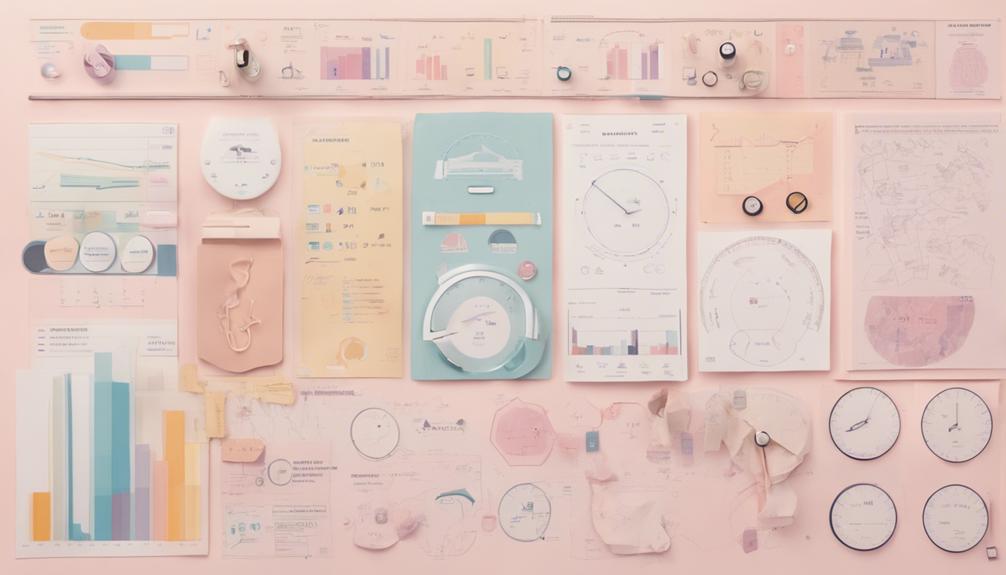
Tracking key performance indicators (KPIs) helps us gauge our brand's progress, uncover areas for improvement, and make data-driven decisions to drive growth. As we navigate the competitive fashion landscape, it's essential to monitor our brand's performance regularly. This allows us to identify what's working and what needs adjustment.
We focus on metrics that matter most to our brand, such as website traffic, social media engagement, customer acquisition costs, and retention rates. By analyzing these KPIs, we can refine our marketing strategies, optimize our pricing, and enhance the overall customer experience.
For instance, if our website traffic is increasing, but conversion rates are stagnant, we might need to revisit our website's user experience or reassess our product offerings. Similarly, if our social media engagement is high, but sales aren't following suit, we might need to adjust our messaging or explore new advertising channels.
Frequently Asked Questions
How Do I Protect My Brand's Intellectual Property and Designs?
Can we really afford to let others steal our innovative designs? We can't, so we take action! To protect our brand's intellectual property and designs, we trademark our logos, register our designs, and patent unique manufacturing processes. We also keep our designs confidential until launch, using non-disclosure agreements with partners and suppliers. By being proactive, we safeguard our brand's creative assets and maintain our competitive edge.
Can I Use Social Media Influencers to Promote My Fashion Brand?
We're considering partnering with social media influencers to promote our fashion brand. It's a fantastic way to reach a wider audience, especially since influencers already have a following that aligns with our target market. We'll look for influencers who align with our brand values and aesthetic, and collaborate on content that showcases our designs in a creative, authentic way.
What Is the Ideal Pricing Strategy for a New Fashion Brand?
When it rains, it pours, and setting the right price for our fashion brand is essential. We need to strike a balance between being competitive and profitable. We're considering a penetration pricing strategy, starting with lower prices to attract customers and gradually increasing them as our brand gains traction. This approach will help us gain market share and build a loyal customer base.
How Often Should I Release New Products to Stay Competitive?
We're constantly wondering how often to drop new products to stay ahead of the game. The answer lies in finding a sweet spot between keeping our customers engaged and avoiding fatigue. We aim to release new products every 4-6 weeks, giving our audience something fresh to look forward to without overwhelming them. This frequency allows us to stay competitive while maintaining quality and relevance in the ever-changing fashion landscape.
What Are the Most Effective Ways to Collect and Use Customer Feedback?
We believe collecting customer feedback is essential to our brand's success. We use surveys, social media, and email to gather opinions. We also encourage reviews and ratings on our website. We analyze this feedback to identify patterns and areas for improvement. We take it a step further by acting on the feedback, making changes to our products and services. By doing so, we build trust with our customers and create a loyal community that helps us grow.
