

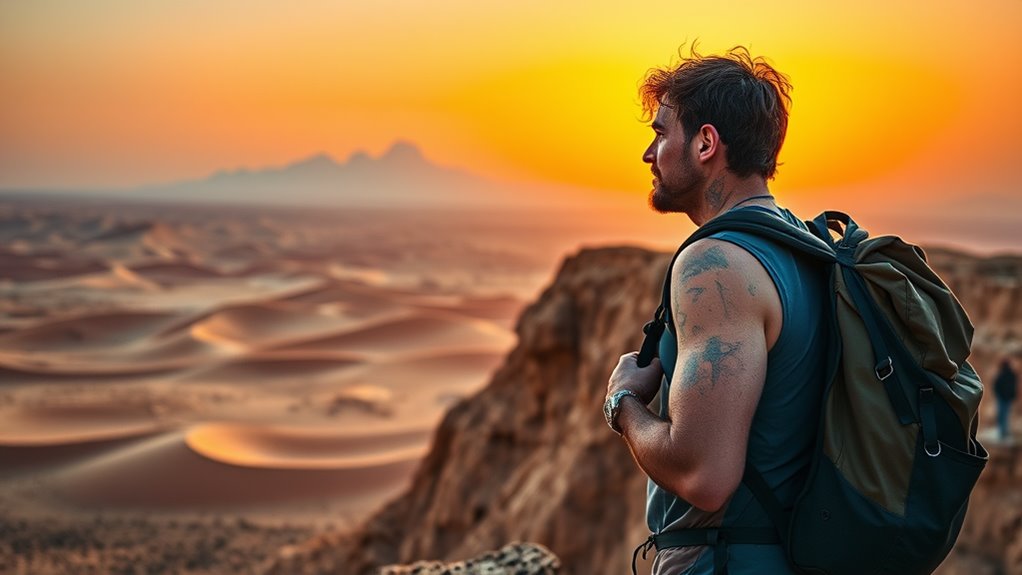
As you prep for the ultimate backpacking adventure, keep in mind that choosing the right continent sets the tone for your entire expedition. You'll want to take into account climate, travel restrictions, and visa requirements to guarantee a stress-free trip. With a solid plan and flexible itinerary, you'll be free to soak up spontaneous experiences and prioritize meaningful encounters over specific destinations. Now, get ready to immerse yourself in the nitty-gritty of packing, budgeting, and managing cultural differences – and discover the secrets to capturing unforgettable moments along the way.
Choosing Your Continent: Factors to Consider
When deciding where to commence your backpacking adventure, choosing the right continent is fundamental, as it sets the tone for your entire expedition. You're not just picking a destination; you're selecting a climate, a culture, and a set of travel restrictions that will shape your expedition. Climate considerations are vital, as you'll want to avoid harsh weather conditions that can make your trip miserable. If you're not fond of the cold, you might want to steer clear of Antarctica or northern Europe during the winter months. Conversely, if you're looking for a tropical getaway, Southeast Asia or South America might be more up your alley. Furthermore, research travel restrictions, such as visa requirements or health certificates, to guarantee a smooth changeover from one country to the next. By choosing the right continent, you'll set yourself up for a stress-free and unforgettable backpacking adventure.
Planning Your Itinerary: Tips and Tricks
Now that you've chosen your continent, it's time to map out your adventure. Don't overplan – remember, itinerary flexibility is key to embracing the unknown. You'll want to leave room for spontaneous detours and unexpected discoveries. Research travel apps like Rome2rio or TripIt to help you organize your route and book accommodations. These tools can likewise provide valuable insights from fellow travelers and help you stay on budget. As you plan, prioritize experiences over specific destinations. What do you want to see, do, and feel on this trip? Let your answers guide your itinerary, and don't be afraid to make changes along the way. Remember, the goal is freedom, not rigid adherence to a plan. By embracing flexibility, you'll open yourself up to the most authentic, unforgettable experiences.
Packing for the Unknown: Essential Gear and Supplies
As you prepare for your backpacking adventure, you’ll need to prioritize the gear and supplies that’ll keep you safe and comfortable in unpredictable environments. You’ll want to focus on smart clothing choices that can adapt to changing weather conditions, versatile shelter options that can withstand harsh elements, and first aid necessities that can help you respond to emergencies. By packing these must-haves, you’ll be able to tackle the unknown with confidence. Additionally, consider including lightweight cooking gear that allows you to prepare warm meals, as proper nutrition is vital for maintaining energy levels during your journey. Don’t forget to bring along navigation tools, such as a map and compass or a reliable GPS device, to help you stay on course in remote areas. By ensuring that you have these packing essentials for your trip, you can enhance your overall experience and stay focused on the adventure ahead.
Smart Clothing Choices
Packing for the unknown can be a challenging task, but smart clothing choices can make all the difference in your backpacking adventure. You'll want to prioritize versatility, comfort, and functionality when selecting your clothing. Look for smart fabrics that offer temperature regulation, moisture-wicking properties, and quick drying times. This will guarantee you stay comfortable in varying climates and conditions.
| Clothing Item | Features | Benefits |
|---|---|---|
| Merino wool base layers | Temperature regulation, moisture-wicking | Stay warm in cold weather, cool in warm weather |
| Water-resistant jacket | Waterproof, breathable | Protects against rain and wind |
| Quick-drying pants | Lightweight, moisture-wicking | Ideal for outdoor activities in wet conditions |
Versatile Shelter Options
You've got your clothing sorted, but what about a place to call home for the night? Regarding shelter, versatility is key. You'll want to evaluate different tent types, such as ultralight backpacking tents or more spacious options for comfort. Hammock camping is another great alternative, offering a unique way to experience the outdoors. Look for gear that's waterproof, durable, and easy to set up. A tarp or rain fly can be a lifesaver in harsh weather conditions. Don't forget to pack stakes, ropes, and a sleeping pad for a comfortable night's sleep. With the right shelter options, you'll be free to roam wherever your adventure takes you.
First Aid Essentials
Twenty unexpected twists and turns await you on your backpacking adventure, and it's crucial to be prepared for the unknown. In terms of first aid, you can't afford to take any chances. Pack a well-stocked kit with necessities like bandages, antiseptic wipes, and pain relievers. Don't forget wound care supplies, such as gauze and antibiotic ointment, to treat cuts and scrapes. Make sure you have emergency contacts listed, including your embassy and insurance provider, in case of a serious incident. It's also a good idea to carry a guidebook with basic first aid procedures and a list of common medications. Stay safe, stay free, and enjoy your expedition!
Budgeting for the Long Haul: Money-Saving Strategies
As you initiate your long-haul backpacking adventure, one essential aspect to contemplate is budgeting, which can make or break your travel experience. You'll want to stretch your dollars as far as possible to maximize your freedom on the road. Travel hacking is a great way to start, as it can help you score affordable flights and accommodations. Look for budget-friendly options like hostels, guesthouses, or camping sites, which can be just as comfortable as luxury hotels at a fraction of the cost. Consider cooking your own meals instead of eating out, and take advantage of free walking tours or public transportation to get around. By being mindful of your expenses, you can allocate more resources to experiences that truly matter, like trying new foods, visiting iconic landmarks, or taking a scenic hike.
Staying Safe on the Road: Health, Security, and More
As you venture into unfamiliar territories, it can be exhilarating; it is crucial to prioritize your safety above all else. You're not just a traveler, you're an explorer, and exploring comes with risks. Make sure you're prepared for the unexpected by investing in travel insurance that covers medical, trip cancellations, and delays. Research your destinations and stay informed about local health concerns, political unrest, and natural disasters. Keep your emergency contacts handy, including your country's embassy and consulate numbers. Stay connected with family and friends back home, and consider registering with your government's travel advisory program. Trust your instincts, be aware of your surroundings, and take necessary precautions to stay safe on the road. By being proactive, you can minimize risks and focus on what matters most – soaking up the freedom and adventure that comes with backpacking across different continents.
Navigating Cultural Differences: Etiquette, Customs, and Language
As you venture across different continents, you'll encounter cultural norms that vary greatly from what you're used to. You'll need to respect local traditions, like removing your shoes before entering a temple in Japan or using your right hand when eating in India. By learning a few key phrases in each language, you'll show locals you're making an effort to understand and appreciate their customs.
Cultural Norms Vary
As you embark on unfamiliar territories, you'll quickly realize that cultural norms vary drastically from one continent to another, and even within regions. You'll encounter diverse local customs and social etiquette that may be unfamiliar, but it's crucial to respect and adapt to them. In Asia, bowing is a common gesture of respect, whereas in Europe, a firm handshake is the norm. In some African countries, eating with your left hand is considered impolite. Researching the local customs and social etiquette of your destination beforehand will help you avoid unintentionally offending locals. By being mindful of these differences, you'll be able to navigate cultural differences with confidence and ease.
Respect Local Traditions
You've done your research on local customs and etiquette, but it's one thing to know about them and another to put them into practice. Now, it's time to exercise cultural sensitivity in your daily interactions. Remember, respecting local customs is key to immersing yourself in the local culture. Be mindful of your body language, dress modestly, and avoid public displays of affection in conservative areas. Observe how locals interact with each other and follow their lead. Don't be afraid to ask questions or apologize if you unintentionally offend someone. By being open-minded and adaptable, you'll earn the respect of the locals and have a more authentic experience.
Learn Key Phrases
How do you plan to communicate with locals when you don't speak their language? It's essential to learn key phrases in the local language to show respect and appreciation for the culture. This simple gesture can lead to a more authentic experience and even open doors to new friendships. Immerse yourself in language immersion by learning regional dialects and phrases that will help you navigate everyday situations.
| Language | Greeting | Goodbye |
|---|---|---|
| Spanish | Hola (OH-lah) | Adiós (ah-DEE-yos) |
| French | Bonjour (bone-JOOR) | Au revoir (oh-reh-VWAHR) |
| Mandarin | (nǐ hǎo) | (zài jiàn) |
Capturing the Moment: Photography and Storytelling Tips
Six continents, countless moments, and a single camera – the ultimate backpacker's dilemma. You're tasked with capturing the essence of your expedition, but where do you start? Begin by perfecting basic photographic techniques like composition, lighting, and focus. Don't be afraid to experiment with unique angles and perspectives to add depth to your shots.
When it comes to storytelling, think beyond the visual. Use your camera to document the people, places, and experiences that make your adventure unforgettable. Try incorporating storytelling approaches like photo essays, where a series of images tell a single story, or behind-the-scenes shots that give your audience a glimpse into your creative process. Remember, the goal is to transport your audience to the moment, so don't be afraid to get creative and take risks. With practice and patience, you'll be well on your way to capturing the essence of your backpacking experience.
Frequently Asked Questions
Can I Backpack Across Continents With a Disability or Chronic Illness?
You're wondering if backpacking across continents is possible with a disability or chronic illness. Let's say you have muscular dystrophy and dream of exploring Southeast Asia. With the right mindset and prep, you can do it! Invest in adaptive equipment like a portable wheelchair or mobility scooter, and research accessible accommodations in advance. You'll be sipping coconut water on a Thai beach in no time, feeling liberated and unstoppable.
How Do I Deal With Loneliness and Isolation on the Road?
As you venture out on your own, you'll inevitably face loneliness and isolation. It's normal, but it doesn't have to define your expedition. You can cultivate travel companionship by joining group tours, attending hostel events, or volunteering for causes you're passionate about. Prioritize emotional wellness by setting aside time for self-reflection, journaling, or meditation. These habits will help you stay grounded and connected, even when you're thousands of miles from home.
Can I Take My Pet With Me on a Backpacking Trip?
Oh, sure, you think you're a true wanderer, but you can't bear to leave Fluffy behind? Newsflash: your pet's Instagram-worthy moments aren't worth the logistical nightmare. Pet travel is a serious business, and backpacking regulations are no joke. Research, permits, and paperwork – it's not a walk in the park. If you're willing to put in the work, leave your furry friend at home and enjoy the freedom you're supposedly chasing.
Will I Need to Learn Multiple Languages for a Multi-Continent Trip?
You're wondering if you'll need to become a linguist for your multi-continent adventure. Although it's true you'll encounter diverse languages, you won't need to be fluent in each one. Download language apps to help with basic phrases and translations. Immerse yourself in local cultures, and you'll pick up on cues and gestures. Focus on soaking up the experiences, not conquering every language. With a little effort, you'll find that cultural immersion and technology can be your ticket to traversing foreign tongues.
Can I Use My Smartphone as a Primary Means of Navigation?
You're a navigator on a quest for freedom, charting your own course through uncharted territories. Can you rely on your trusty smartphone as your primary guide? Absolutely! With the right smartphone apps, you can access offline maps that'll keep you on track even when Wi-Fi is scarce. Just remember to download maps ahead of time, and you'll be able to find your way through the most remote terrains, untethered and unstoppable.
