

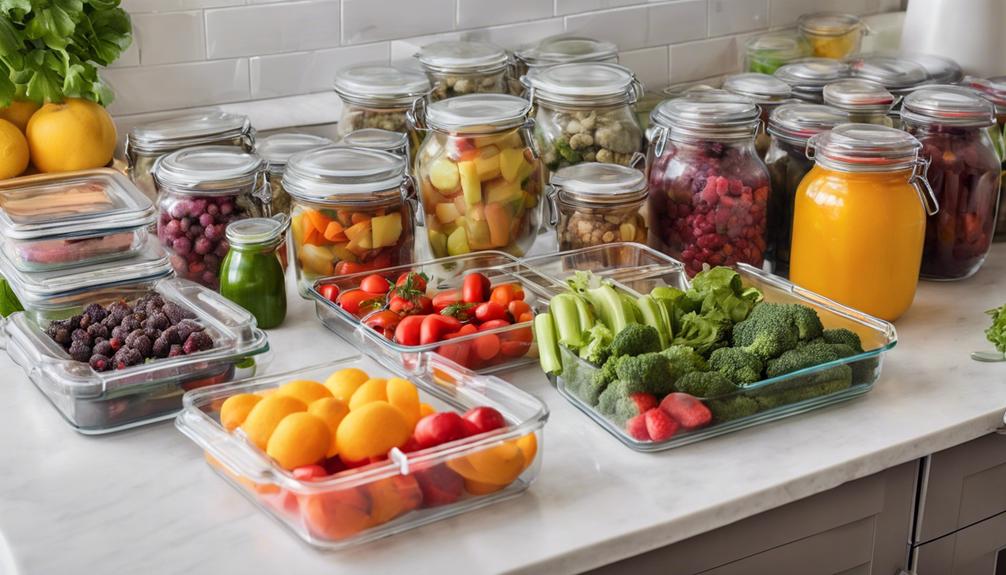
Effective weekend meal prep requires a strategic approach that balances planning, preparation, and flexibility to save time, reduce waste, and promote healthy eating habits. Start by setting SMART goals, considering dietary requirements and lifestyle constraints, and breaking them down into actionable steps. Create a schedule for grocery shopping, cooking, and portioning, and plan a diverse range of meals to keep prep exciting. With a solid plan in place, you'll be well on your way to a successful meal prep routine – and with the right tools and strategies, you can take your meal prep to the next level.
Setting Meal Prep Goals
Establishing clear objectives is crucial to a successful meal prep routine, as it enables you to tailor your strategy to your specific needs and preferences. By setting specific, measurable, achievable, relevant, and time-bound (SMART) goals, you can create a roadmap for your meal prep journey, ensuring you stay focused and motivated.
When setting your meal prep goals, consider your dietary requirements, health objectives, and lifestyle constraints. Do you have specific nutritional needs, such as gluten-free or vegan? Are you aiming to lose weight, build muscle, or maintain energy levels? Do you have limited cooking time or specific ingredient preferences? By answering these questions, you can craft goals that are tailored to your unique needs.
Once you have defined your objectives, break them down into smaller, actionable steps. For instance, if your goal is to prep healthy meals for the entire week, you may need to dedicate specific days for grocery shopping, cooking, and portioning. By doing so, you can create a schedule that works for you, ensuring you stay on track and make progress towards your objectives.
Planning Your Weekly Menu
When planning your weekly menu, it is essential to generate a list of meal ideas that cater to your dietary needs and preferences. A meal planning calendar can help you organize and visualize your meals for the week, ensuring that you stay on track with your meal prep goals. By combining these two elements, you can create a thorough plan that sets you up for success in the kitchen.
Meal Ideas Generation
A well-planned weekly menu is the foundation of successful meal prep, and generating a repertoire of meal ideas is the essential first step in this process. Having a diverse range of meal ideas guarantees that you'll never get bored with the same old recipes and will keep your meal prep exciting and engaging.
To generate meal ideas, consider the following strategies:
- Explore global cuisines: Draw inspiration from international cuisines, such as Korean BBQ, Indian curries, or Mexican street food.
- Get inspired by seasons: Plan meals around seasonal produce to guarantee freshness, flavor, and variety.
- Repurpose leftovers: Think creatively about how to reuse leftover ingredients to reduce food waste and save time.
Meal Planning Calendar
With a repertoire of meal ideas in hand, the next step is to organize them into a cohesive weekly menu using a meal planning calendar. This visual tool enables you to schedule meals, plan grocery shopping, and allocate cooking tasks efficiently. A well-structured meal planning calendar guarantees that your meal prep efforts are focused and effective.
To create a meal planning calendar, start by identifying the number of meals you need to prepare for the week. Consider your schedule, dietary preferences, and cooking skills when selecting meals. Assign a meal to each day, ensuring a balance of breakfast, lunch, and dinner options. Be flexible and leave room for adjustments, as unexpected events may arise.
Digital tools like Google Calendar or planners like Erin Condren's LifePlanner can be used to create a meal planning calendar. Alternatively, you can create a physical calendar on a whiteboard or chalkboard in your kitchen. Whatever method you choose, a meal planning calendar is essential for a successful meal prep experience. It streamlines your process, saves time, and helps you stay on track.
Grocery Shopping Like Pro
By adopting a strategic approach to grocery shopping, you can optimize your time, minimize food waste, and guarantee that you have a steady supply of healthy ingredients to fuel your meal prep endeavors. This approach begins with a thorough review of your meal planning calendar, ensuring that you only purchase items that align with your culinary goals.
To take your grocery shopping to the next level, consider the following expert tips:
- Shop the perimeter: Focus on the fresh produce, meats, and dairy products located on the periphery of the store, rather than relying on processed items in the center aisles.
- Buy in bulk: Purchase staple items like nuts, seeds, and whole grains in bulk to reduce waste and save money.
- Plan for leftovers: Strategically incorporate leftovers into your meal planning to minimize waste and reduce the likelihood of uneaten food ending up in the trash.
Essential Meal Prep Tools
As you're now equipped with a strategic approach to grocery shopping, attention turns to the tools that will help you efficiently prepare and portion your meals. Having the right equipment can make a significant difference in the speed and quality of your meal prep.
Investing in a few essential tools will streamline your process, saving you time and reducing frustration. First and foremost, a good set of kitchen knives is essential for efficient chopping, slicing, and dicing. A sharp knife set will make quick work of even the most labor-intensive prep tasks.
Next, a high-quality cutting board is important for preparing ingredients. Look for one made from durable, easy-to-clean materials like bamboo or plastic. A set of measuring cups and spoons will guarantee accurate portioning, while a digital kitchen scale will enable precise measurement of ingredients.
A set of airtight containers is crucial for storing and transporting your prepped meals. Choose containers that are durable, leak-proof, and easy to label. Finally, an Instant Pot or pressure cooker can be a game-changer for cooking proteins and grains in bulk. With these essential tools in your arsenal, you'll be well-equipped to tackle even the most ambitious meal prep tasks. By investing in these must-haves, you'll be able to prep like a pro and enjoy healthy, delicious meals all week long.
Cooking in Bulk Strategies
When it comes to meal prep, cooking in bulk is a key strategy for maximizing efficiency and minimizing kitchen time. By preparing large quantities of food, individuals can reap numerous benefits, including reduced food waste and saved time during the week. In this section, we'll explore the advantages of batch cooking and how to effectively portion meals for a stress-free week ahead.
Batch Cooking Benefits
Efficiency is the cornerstone of batch cooking, allowing home cooks to maximize their time and minimize food waste by preparing large quantities of ingredients that can be repurposed throughout the week. This approach not only saves time during the week but also reduces the likelihood of last-minute takeout or dining out, which can be detrimental to dietary goals and budgets.
By adopting batch cooking, home cooks can:
- Streamline meal prep: Prepare ingredients in bulk, then assemble meals quickly and easily throughout the week.
- Reduce food waste: Use up entire ingredients, eliminating the risk of expired or spoiled food.
- Save money: Buy ingredients in bulk, reducing grocery bills and minimizing the cost of last-minute meals.
Meal Portion Control
How can home cooks guarantee they're cooking in bulk without compromising portion control, and ultimately, their dietary goals? This is an important question, as cooking in bulk can often lead to overconsumption or waste. To avoid this, it's essential to incorporate a portion control strategy into your meal prep routine. One effective approach is to use measuring cups or a food scale to accurately measure out individual portions before freezing or refrigerating. This ensures that each meal is consistent in size and calorie content, making it easier to stick to your dietary plan.
Another strategy is to divide bulk-cooked ingredients into individual containers or ziplock bags, labeling each with the date, ingredients, and nutritional information. This not only helps with portion control but also makes meal planning and tracking easier. By incorporating these simple yet effective strategies into your meal prep routine, you can enjoy the benefits of cooking in bulk while maintaining control over your portion sizes and staying on track with your dietary goals.
Portioning and Packaging Tips
Properly portioning and packaging meals is essential to maintaining freshness, reducing food waste, and guaranteeing a seamless meal prep experience. When done correctly, it saves time, reduces stress, and makes healthy eating a breeze. However, it requires some planning and strategy. One effective way to enhance meal prep is by utilizing a variety of containers that keep different components separate while still being compact. This organization not only streamlines your cooking process but also opens up the opportunity for creativity in the kitchen, such as transforming leftovers into soups. By combining leftover ingredients with broth and fresh herbs, you can create delicious, resourceful meals that minimize waste and maximize flavor.
Here are some essential portioning and packaging tips to keep in mind:
- Use airtight containers: Glass or BPA-free plastic containers with tight-fitting lids are ideal for storing meal prep containers. They prevent air from entering the container, keeping your food fresh for longer.
- Label and date containers: Clearly label each container with the meal name, date, and any reheating instructions. This ensures you can easily identify what you have in the fridge and how long it's been there.
- Portion control with compartments: Divide your containers into compartments to separate different food groups. This helps maintain portion control and makes mealtime more convenient.
Storing and Refrigerating Meals
Once you've portioned and packaged your meals, it's time to focus on storing and refrigerating them effectively to maintain their quality and safety. Important storage is vital in preventing contamination, spoilage, and foodborne illnesses. Start by designating a specific area in your refrigerator for meal prep containers, ensuring they are easily accessible and not overcrowded. Label each container with the meal name, date, and any relevant reheating instructions.
When storing meals in the refrigerator, it's essential to maintain a consistent refrigerator temperature of 40°F (4°C) or below. This slows down bacterial growth and prevents the multiplication of harmful microorganisms. Always store raw meat, poultry, and seafood in sealed containers at the bottom shelf to prevent cross-contamination. Cooked meals should be stored in airtight containers on middle or top shelves, away from strong-smelling foods to prevent flavor transfer.
When refrigerating meals, it's important to follow the 'first in, first out' rule, ensuring that older meals are consumed before newer ones. This prevents older meals from spoiling and reduces food waste. Regularly clean and sanitize your refrigerator and storage containers to prevent the buildup of bacteria and other microorganisms. By following these guidelines, you'll be able to maintain the quality and safety of your meal prep creations, ensuring a healthy and convenient meal prep experience.
Meal Prep Safety Guidelines
As meal prep involves handling and storing food, it is essential to adhere to strict safety guidelines to minimize the risk of foodborne illnesses and maintain a healthy meal prep experience. Food safety is a critical aspect of meal prep, and neglecting it can have severe consequences.
To guarantee a safe meal prep experience, follow these guidelines:
- Separate raw and cooked foods: Store raw meat, poultry, and seafood in separate containers to prevent cross-contamination with cooked or ready-to-eat foods.
- Label and date containers: Clearly label each container with the contents and date prepared to ensure you consume the oldest items first and avoid expired meals.
- Reheat safely: Reheat meals to an internal temperature of at least 165°F (74°C) to kill bacteria and maintain food safety.
Maintaining Motivation and Flexibility
With a solid foundation in meal prep safety established, it's equally important to maintain motivation and flexibility to guarantee a sustainable and enjoyable meal prep experience. A well-planned meal prep routine can quickly become monotonous if not balanced with flexibility and motivation. To avoid meal prep burnout, it's essential to incorporate variety and novelty into your routine.
Incorporate different cuisines, ingredients, and cooking techniques to keep your meals exciting and engaging. Set aside time to explore new recipes and experiment with flavors, textures, and presentation styles. This will not only keep your taste buds engaged but also challenge your culinary skills and encourage creativity.
Maintaining motivation also involves setting realistic goals and celebrating small victories. Break down your meal prep goals into manageable tasks, and reward yourself when you achieve them. This will help build confidence and reinforce positive habits. Additionally, meal prep buddies or online communities can provide valuable support, accountability, and inspiration.
Frequently Asked Questions
Can I Meal Prep for a Family With Different Dietary Needs?
Accommodating diverse dietary needs within a family can be challenging, but meal prepping for a family with varied requirements is absolutely feasible. The key is to identify common ingredients and cooking methods that can be adapted to suit individual needs. By planning carefully, you can create a meal prep system that caters to different diets, such as gluten-free, vegan, or dairy-free, while minimizing food waste and maximizing efficiency.
How Do I Handle Food Allergies or Intolerances in Meal Prep?
When handling food allergies or intolerances in meal prep, it's essential to prioritize safety and inclusivity. Start by identifying the specific allergies or intolerances within your household and plan meals accordingly. Clearly label and separate ingredients, cooking surfaces, and storage containers to prevent cross-contamination. Consider using allergen-friendly alternatives and consulting with a healthcare professional or registered dietitian for personalized guidance.
Can I Use Frozen Vegetables in Meal Prep Recipes?
"In the era of ancient Rome, frozen vegetables would have been a culinary anomaly, but in modern times, they're a convenient and nutritious addition to meal prep. The answer is a resounding yes, you can use frozen vegetables in meal prep recipes. In fact, frozen veggies are often picked at peak ripeness, preserving their nutritional value. Simply thaw and incorporate into your recipes, and you'll be enjoying a flavorful and healthy meal in no time."
How Long Can I Safely Store Cooked Meal Prep in the Fridge?
When it comes to safely storing cooked meal prep in the fridge, it's important to prioritize food safety. Cooked meals can be safely stored in the refrigerator for 3 to 4 days. However, it's essential to make sure the food is cooled rapidly, stored in airtight containers, and maintained at a consistent refrigerator temperature of 40°F (4°C) or below. Proper storage and handling practices are necessary to prevent bacterial growth and foodborne illness.
Can I Meal Prep Healthy Meals on a Tight Budget?
"Absence of money is no excuse for absence of creativity," as the saying goes. Meal prepping on a tight budget requires resourcefulness, but it's entirely possible. Start by planning meals around affordable protein sources like beans, lentils, and eggs. Shop smart by buying in bulk, using coupons, and opting for seasonal produce. With a little creativity, you can whip up healthy, budget-friendly meals that nourish both body and wallet.
