

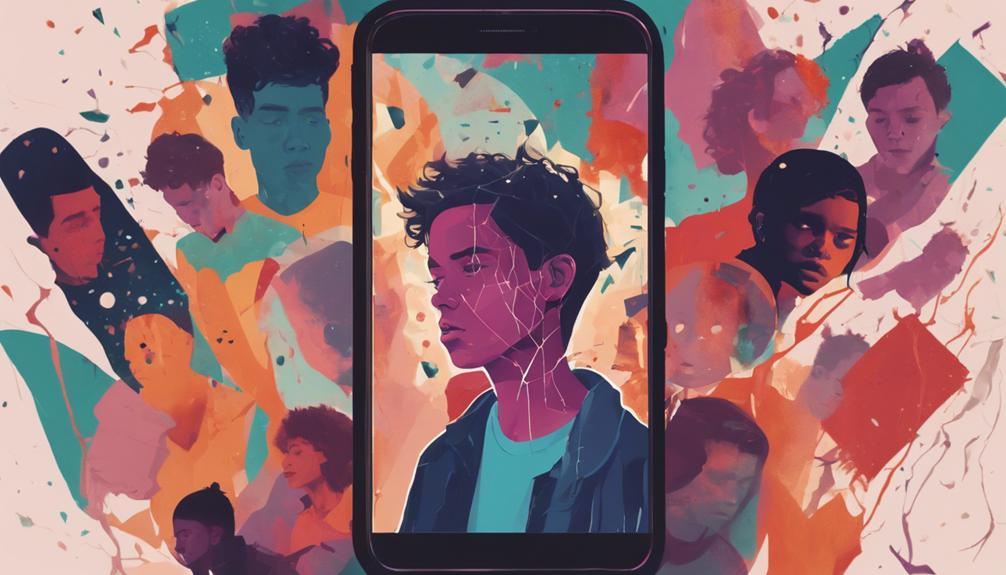
The pervasive use of social media among teenagers has been linked to a disturbing surge in anxiety, depression, and other mental health concerns. Curated online personas and unrealistic beauty standards erode self-esteem and fuel unhealthy dependencies. Cyberbullying, sleep deprivation, and distorted body image further exacerbate the issue. To mitigate these negative effects, it's essential to set boundaries, engage in offline activities, and practice self-compassion. By acknowledging the impact of social media on teen health, we can work towards promoting a healthier online environment. As we explore this topic further, the complexities of this critical issue come into sharper focus.
Anxiety and Depression Rates Soar
Teenagers' mental health is increasingly compromised, as the proliferation of social media has been correlatively linked to a staggering surge in anxiety and depression rates among this demographic. This alarming trend is attributed to the constant exposure to curated and manipulated content, fostering unrealistic expectations and promoting a culture of comparison. The perpetual barrage of seemingly perfect lives and unattainable beauty standards can lead to feelings of inadequacy, low self-esteem, and a distorted self-image.
Moreover, the constant need for validation through likes, comments, and shares can create an unhealthy dependence on social media for self-worth. This can result in a vicious cycle of anxiety, as teenagers feel pressured to present a perfect online persona, while concealing their true emotions and struggles. The consequences are devastating, with many teenagers succumbing to debilitating anxiety and depression.
It is imperative that parents, educators, and mental health professionals acknowledge the profound impact of social media on teenagers’ mental wellbeing. By encouraging open discussions, promoting digital literacy, and fostering a culture of empathy and understanding, we can work towards mitigating the detrimental effects of social media on teenage mental health. By doing so, we can empower the next generation to navigate the complexities of social media, while prioritizing their emotional wellbeing and resilience. Furthermore, integrating programs that focus on digital health explained and benefits into school curricula can equip teenagers with the tools they need to use social media responsibly. These programs can provide insights into the psychological effects of online interactions and help students develop critical thinking skills to assess the information they encounter. Ultimately, by prioritizing education and support, we can cultivate a generation that approaches social media with mindfulness, ensuring their mental wellbeing remains a priority.
Social Media Sleep Deprivation Link
The pervasive use of social media among teenagers has been linked to sleep deprivation, a critical concern for their overall health and wellbeing. Exposure to screens and the stimulating nature of social media content before bedtime can suppress melatonin production, leading to disrupted sleep patterns. As a result, teenagers who engage in screen time before bed are more likely to experience sleep deprivation, further exacerbating the negative effects on their mental and physical health.
Screen Time Before Bed
In addition, exposure to screens and the blue light they emit in the hour leading up to bedtime has been shown to suppress melatonin production, leading to a significant increase in sleep latency and decreased sleep quality. This can have long-term consequences for teenagers, including chronic sleep deprivation, fatigue, and impaired cognitive function. Additionally, the constant stream of notifications and social media updates can stimulate the brain, making it difficult for teens to wind down and relax before sleep.
Screen time before bed also disrupts the body's natural sleep-wake cycle, leading to difficulties falling asleep, insomnia, and daytime sleepiness. Besides, the constant exposure to screens can lead to a perpetual state of alertness, making it challenging for teens to disconnect and relax. As a result, it is essential for parents, educators, and caregivers to educate teenagers about the importance of maintaining a screen-free period before bedtime, promoting healthy sleep habits, and fostering a conducive sleep environment. By doing so, we can help mitigate the negative effects of social media on teen health and promote overall well-being.
Disrupted Sleep Patterns
Sleep patterns are greatly disrupted when social media use before bed becomes a habit, leading to a cascade of detrimental effects on teen health. Exposure to screens and the stimulating nature of social media can suppress melatonin production, making it difficult for teens to fall asleep. As a result, teens may experience chronic sleep deprivation, which can lead to impaired cognitive function, mood disturbances, and increased risk of depression and anxiety. Furthermore, disrupted sleep patterns can also affect physical health, including weight gain, fatigue, and a weakened immune system. It is essential for parents, caregivers, and healthcare professionals to educate teens about the importance of maintaining a healthy sleep schedule and establishing a bedtime routine that excludes social media use. By promoting healthy sleep habits, we can mitigate the negative effects of social media on teen health and well-being. By taking proactive steps, we can empower teens to prioritize their health and thrive in today's digital age.
The Self Esteem Epidemic Unfolds
As teenagers increasingly curate their online personas, they are concurrently exposed to unrealistic beauty standards, cyberbullying, and inauthentic online lives, which collectively contribute to a self-esteem epidemic. The proliferation of seemingly flawless online profiles and the ensuing pressure to conform can be devastating to adolescent self-perception. As a result, teens are struggling to reconcile their real-life identities with the unattainable standards presented on social media.
Unrealistic Beauty Standards
Nearly 90% of teenage girls report feeling unhappy with their appearance, a disturbing trend largely fueled by the unattainable beauty standards perpetuated through social media. The constant barrage of airbrushed models, celebrities, and influencers showcasing flawless skin, perfect bodies, and impeccable style creates unrealistic expectations. These manipulated images, often presented as attainable, lead to a distorted perception of beauty, causing teens to feel inadequate and insecure about their own appearance.
The consequences of these unrealistic beauty standards are far-reaching. Teenagers, particularly girls, are more likely to develop body dissatisfaction, low self-esteem, and even mental health issues such as depression and anxiety. Moreover, the pressure to conform to these unattainable standards can lead to unhealthy behaviors, including extreme dieting, excessive exercise, and even cosmetic surgery.
It is essential for parents, educators, and mental health professionals to acknowledge the impact of social media on teen self-esteem and take proactive steps to promote positive body image, self-acceptance, and media literacy. By doing so, we can empower teenagers to develop a healthier and more realistic understanding of beauty, ultimately fostering a more confident and resilient generation.
Cyberbullying Epidemic Rises
Teenagers' online interactions, once touted as a means of social connection and community-building, have devolved into a breeding ground for bullying, harassment, and intimidation, with devastating consequences for their self-esteem and emotional well-being.
The alarming rise of cyberbullying has led to a surge in anxiety, depression, and suicidal ideation among teenagers. A staggering 59% of teens have experienced online harassment, with 43% experiencing it repeatedly. The impact is not limited to the victims; perpetrators also exhibit increased aggression and decreased empathy.
| Form of Cyberbullying | % of Teens Affected | Consequence |
|---|---|---|
| Verbal harassment | 53% | Increased anxiety |
| Social exclusion | 41% | Decreased self-esteem |
| Physical threats | 29% | Increased suicidal ideation |
| Sexual harassment | 25% | Increased depression |
It is essential for parents, educators, and policymakers to acknowledge the severity of this issue and take proactive measures to address it. By promoting empathy, encouraging open communication, and implementing evidence-based prevention strategies, we can work towards creating a safer online environment for our teenagers.
Inauthentic Online Lives
The curated highlight reels of social media often conceal the imperfections, struggles, and vulnerabilities of its users, fostering a culture of inauthenticity that can have a profound impact on the self-esteem of teenagers. This phenomenon can lead to unrealistic comparisons, as teens juxtapose their own lives with the seemingly perfect online personas of their peers. The resulting feelings of inadequacy, insecurity, and low self-worth can be devastating.
Social media platforms, particularly Instagram and Facebook, have become breeding grounds for fabricated online identities. Teens feel pressured to present a flawless image, hiding their true emotions, fears, and weaknesses behind a mask of confidence and happiness. This artificial representation of perfection can be damaging, as it creates unrealistic expectations and promotes a culture of competition and one-upmanship.
The consequences of this inauthenticity can be far-reaching, contributing to the erosion of self-esteem, increased anxiety, and decreased mental well-being. It is essential for parents, educators, and mental health professionals to address this issue, promoting a culture of authenticity, self-acceptance, and empathy. By doing so, we can help teenagers develop a healthier relationship with social media and foster a more positive, realistic self-image.
Cyberbullying's Lasting Effects
Cyberbullying's pervasive presence in online social spheres can trigger a cascade of devastating consequences, including anxiety, depression, and even suicidal ideation, which can haunt victims long after the initial incident. The psychological toll of cyberbullying can be long-lasting, affecting not only mental health but also academic performance, social relationships, and overall well-being.
The effects of cyberbullying can be far-reaching and profound, including:
- Emotional distress: Victims may experience feelings of shame, guilt, and low self-esteem, leading to social withdrawal and isolation.
- Academic underachievement: Cyberbullying can lead to decreased motivation, absenteeism, and poor academic performance.
- Social anxiety: Fear of online harassment can cause teens to avoid online interactions, limiting their social connections and opportunities.
- Physical health problems: Chronic stress from cyberbullying can contribute to headaches, sleep disturbances, and other physical health issues.
- Increased risk of suicidal ideation: The emotional pain and distress caused by cyberbullying can lead to suicidal thoughts and behaviors in extreme cases.
It is essential for parents, educators, and mental health professionals to recognize the severity of cyberbullying's impact on teen health and take proactive steps to prevent and address this pervasive issue. By promoting empathy, inclusivity, and digital citizenship, we can work together to create a safer and more supportive online environment for all.
Unrealistic Beauty Standards Prevail
Social media's curated landscape often presents unrealistic beauty standards, perpetuating a culture of self-dissatisfaction and low self-esteem among teenagers, particularly young girls. The constant barrage of airbrushed models, celebrities, and influencers flaunting flawless skin, perfect bodies, and extravagant lifestyles creates an unattainable beauty ideal. This perpetuates a damaging cycle of self-comparison, as teenagers aim to emulate these unrealistic standards, only to feel inadequate and insecure when they fall short of achieving them.
The consequences of internalizing these unrealistic beauty standards can be devastating. Teenagers, especially girls, may experience body dissatisfaction, disordered eating, and depression. The pressure to conform to societal beauty norms can lead to a loss of self-identity and self-worth, as young people become fixated on their physical appearance. Additionally, the constant exposure to idealized beauty standards can distort their perception of reality, making them more vulnerable to harmful beauty practices, such as extreme dieting or cosmetic surgery.
It is essential for parents, educators, and caregivers to acknowledge the impact of social media on teenagers' self-perception and body image. By promoting diversity, inclusivity, and realistic beauty standards, we can help young people develop a more positive and realistic understanding of beauty. By doing so, we can empower teenagers to focus on their inner strengths, talents, and values, rather than their physical appearance.
Breaking the Social Media Cycle
Breaking the Social Media Cycle
Nearly 60% of teenagers report feeling pressure to present a perfect image on social media, perpetuating a vicious cycle of curated perfection and low self-esteem. This pressure can lead to a never-ending pursuit of likes, comments, and followers, ultimately taking a toll on mental health. To break this cycle, it's essential to recognize the unrealistic expectations social media promotes and take steps to counteract them.
Here are some strategies to help teens break the social media cycle:
- Set boundaries: Establish screen-free zones and times to reduce social media usage.
- Follow positive influences: Unfollow or mute accounts that promote unrealistic beauty standards or negativity.
- Practice self-compassion: Focus on self-acceptance and self-worth, rather than seeking validation from others.
- Engage in offline activities: Pursue hobbies, sports, or volunteering to build confidence and self-esteem.
- Seek support: Talk to trusted adults, friends, or mental health professionals about social media-related concerns.
Frequently Asked Questions
Can Social Media Addiction Be Treated Like a Drug Addiction?
'Silky screens seduce susceptible souls, sparking scrutiny into social media's sway over susceptible psyches. Can social media addiction be treated like a drug addiction? Indeed, parallels exist between the two. Both involve compulsive behavior, withdrawal symptoms, and negative consequences. Effective treatment approaches, such as cognitive-behavioral therapy and support groups, can be adapted from substance abuse treatment to address social media addiction. A holistic approach, integrating both psychological and technological interventions, is essential to mitigate the detrimental effects of excessive social media use.'
Are Parents to Blame for Their Teens' Social Media Habits?
When examining the role of parents in shaping their teens' social media habits, it's essential to acknowledge that blame is a simplistic and unproductive approach. Instead, parents should be seen as facilitators, guiding their teenagers in developing healthy online behaviors. By engaging in open conversations, setting boundaries, and modeling responsible social media use themselves, parents can empower their teens to navigate the digital landscape responsibly.
Can Social Media Companies Be Held Responsible for Teen Health?
"When it rains, it pours" – the consequences of social media on teen health are far-reaching. Can social media companies be held responsible for this impact? Absolutely. As influential gatekeepers of online content, they have a moral obligation to prioritize teen well-being. By implementing safeguards and promoting healthy online interactions, companies can mitigate the negative effects of social media on mental health. It's time for these corporations to take ownership of their role in shaping the online environment and its impact on vulnerable youth.
Are There Any Benefits to Social Media for Teenagers' Mental Health?
While often associated with negative effects, social media can have positive implications for teenagers' mental health. It provides a sense of community and connection, which is essential for emotional well-being. Social media platforms can also serve as valuable resources for mental health support, offering access to counseling services, support groups, and mental health resources. Additionally, social media can facilitate self-expression, creativity, and self-identity exploration, all of which are vital for adolescents' emotional development.
Can Teens' Self-Esteem Be Restored After Social Media Damage?
Restoring self-esteem in teenagers after social media damage is an essential aspect of promoting their overall well-being. Fortunately, it is possible to revive and strengthen their self-perception. By encouraging open conversations, fostering a supportive environment, and promoting positive online interactions, teens can rebuild their confidence. Additionally, engaging in offline activities, practicing self-compassion, and reframing negative self-talk can help mitigate the adverse effects of social media on their self-esteem.
