

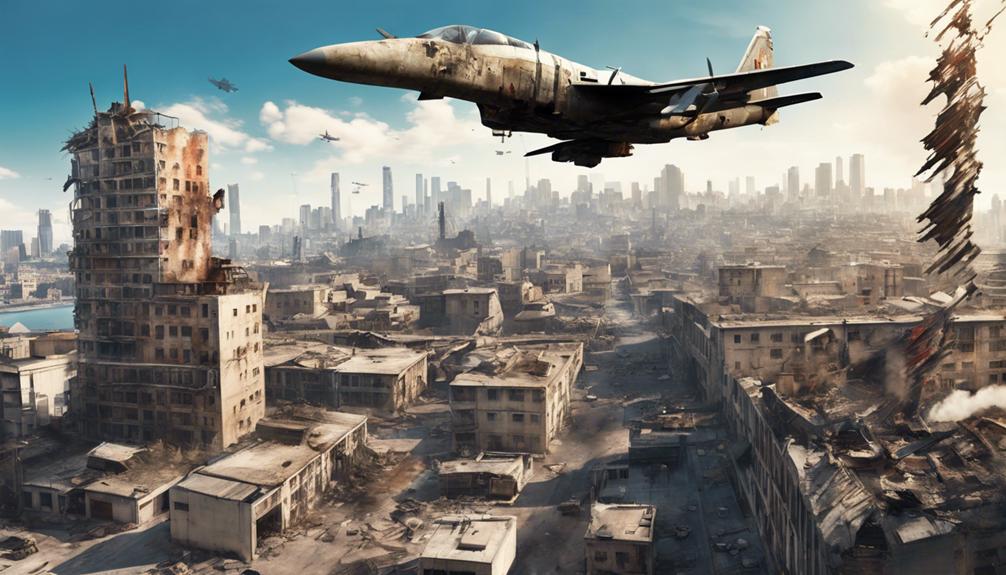
You're about to immerse yourself in the complex world of military spending, where billions of dollars are allocated each year. But what drives these expenditures, and what are the consequences? From perceived external threats to strategic interests and domestic politics, the factors influencing military spending are multifaceted. As you delve into the cost of modern warfare, you'll discover how technological advancements and rising personnel expenses contribute to ballooning budgets. You'll also uncover the far-reaching implications of military spending on global stability, national priorities, and the economy. As you venture further, you'll uncover the intricacies of military spending and its true costs.
Understanding Military Spending Drivers
Your country's military spending is often driven by a complex mix of factors, including perceived threats, strategic interests, and domestic politics, which can sometimes lead to a mismatch between allocated resources and actual security needs. As a citizen, it's important to understand these drivers to make informed decisions about how your tax dollars are being spent. You might wonder, what sparks the desire to allocate a significant portion of the national budget to military spending?
One critical factor is the perception of external threats. Your country’s leaders might feel the need to bolster defense capabilities in response to real or perceived threats from neighboring nations or global powers. Additionally, strategic interests, such as protecting trade routes or securing natural resources, can influence military spending decisions. Domestic politics also play a significant role, as politicians may prioritize military spending to appeal to certain voter demographics or to create jobs in the defense industry. Furthermore, public sentiment can shape defense spending, as citizens’ perceptions of security can vary widely depending on current events or media portrayals of threats. As military budgets escalate, the impact of politics on daily living becomes increasingly evident; funds that might otherwise support education or healthcare initiatives are often redirected to bolster the military. This can lead to a complex interplay where national security is prioritized, but at the cost of other crucial social services that directly affect the quality of life for citizens.
As you consider the complexities of military spending, remember that these factors can sometimes lead to a mismatch between allocated resources and actual security needs. It's important to critically evaluate the reasons behind military spending and make sure that your country's defense priorities align with its genuine security needs. By doing so, you can contribute to a more informed and responsible approach to national defense.
Defining National Security Threats
As you explore the intricacies of national security threats, it's vital to define what constitutes a genuine threat to your country's safety and well-being. You may ask, what exactly is a national security threat? It's not just about military attacks or terrorism; it's about anything that can potentially harm your nation's sovereignty, economy, or citizens. This can include cyberattacks, pandemics, environmental disasters, or even economic instability.
When evaluating potential threats, you should consider factors like intent, capability, and impact. Can a particular entity actually harm your country? Do they have the resources and motivation to do so? And if they do, how severe would the consequences be? It's essential to separate genuine threats from mere speculation or paranoia.
You must also recognize that national security threats can be both internal and external. Domestic issues like political polarization, social unrest, or corruption can be just as damaging as external threats like foreign aggression or terrorism. It's essential to acknowledge that national security is not just about military might, but also about social cohesion, economic resilience, and diplomatic engagement.
The Cost of Modern Warfare
As you examine the cost of modern warfare, you'll notice that technological advancements come with a hefty price tag, and it's not just the latest gadgets and drones that are breaking the bank. You'll also find that rising personnel expenses, including benefits and training, are adding up quickly. When you factor in these costs, it's clear that the financial burden of modern warfare is staggering.
Technological Advancements Cost
In addition, modern warfare's reliance on cutting-edge technology has led to a significant surge in military expenditure, with the development and integration of advanced systems, such as drones, cybersecurity infrastructure, and precision-guided munitions, driving up costs. As you consider the implications of modern warfare, you're likely aware that these technological advancements come with a hefty price tag. The cost of researching, developing, and deploying these advanced systems is staggering. For instance, the development of a single F-35 fighter jet costs over $100 million. When you multiply this by the hundreds of jets needed to maintain a robust military presence, the costs add up quickly. Additionally, the maintenance and upkeep of these systems require significant investments in infrastructure, personnel, and training. As a result, the financial burden of modern warfare weighs heavily on national budgets, diverting resources from other critical areas, such as education, healthcare, and infrastructure development.
Rising Personnel Expenses
You're likely to observe that personnel expenses, including salaries, benefits, and training costs, have skyrocketed in recent years, further straining military budgets. As you explore further into the numbers, you'll realize that these expenses are not just limited to salaries, but also include recruitment, training, and retention costs. The rising cost of personnel is a significant contributor to the overall increase in military spending.
| Category | Cost (Billions USD) |
|---|---|
| Salaries and Benefits | 150 |
| Recruitment and Training | 20 |
| Retention and Separation | 10 |
As you can see, salaries and benefits make up the bulk of personnel expenses. The high cost of recruitment and training is also notable, as it reflects the military's efforts to attract and retain top talent. Meanwhile, retention and separation costs, although smaller, are still significant. The rising cost of personnel is a pressing concern, as it diverts resources away from other critical areas, such as equipment and operations.
Government Priorities and Budgets
Government budgets, often a reflection of a nation's priorities, allocate vast sums to military spending, leaving many to wonder if these expenditures align with the country's needs. As you examine your government's budget, you might ask yourself: Are the allocated funds truly serving the nation's best interests, or are they driven by other factors?
You may find that a significant portion of the budget is dedicated to military spending, often at the expense of other essential public services. This raises questions about the government's priorities and whether they align with the needs of its citizens. Are the funds being invested in education, healthcare, and infrastructure, or are they primarily allocated towards military might?
It's essential to recognize that a nation's priorities are often reflected in its budget. As you assess the allocation of funds, consider what values and goals your government is promoting. Are they focusing on the well-being of its citizens, or are they prioritizing military dominance? By examining the budget, you can gain insight into your government's priorities and decide if they align with your values and the nation's needs. By doing so, you can hold your government accountable for allocating funds that truly serve the people.
The Impact on Global Stability
As you consider the impact of military spending on global stability, you'll notice that it's not just about the numbers – it's about the ripple effects on regional power dynamics. You'll see how an increase in military spending by one nation can trigger a response from neighboring countries, sparking a dangerous game of one-upmanship. This, in turn, can lead to spikes in geopolitical tension, making the world a more uncertain and volatile place.
Regional Power Dynamics
One crucial aspect of regional power dynamics is that rival nations' military build-ups and alliances often create an atmosphere of tension, which can have far-reaching consequences for global stability. As you examine the current state of international relations, you'll notice that regional powerhouses are constantly vying for influence. This can lead to an escalation of military spending, as neighboring countries feel pressured to keep up. You might wonder, what's the impact on global stability? The answer lies in the delicate balance of power. When one nation's military might grows, neighboring countries may feel threatened, sparking a cycle of one-upmanship. This, in turn, can lead to a heightened sense of unease, making conflict more likely. You're not just witnessing a regional issue; you're seeing a global concern. As military spending increases, the stakes grow higher, and the world becomes a more precarious place. It's essential to recognize the far-reaching implications of regional power dynamics and their potential to upset global stability.
Geopolitical Tension Spikes
Your concern about the escalating military build-ups is justified, since even a slight increase in geopolitical tension can have a ripple effect, destabilizing entire regions and sparking a chain reaction of aggressive posturing that resonates across the globe. You're right to worry about the consequences of rising military spending, as it can fuel an arms race, creating an atmosphere of uncertainty and distrust among nations.
As you navigate the complex landscape of international relations, you'll notice that even small disputes can escalate quickly, drawing in more countries and sparking a cycle of retaliation. The consequences can be devastating, from devastating economic sanctions to outright conflict. You're not alone in recognizing the risks of unchecked military spending, and the need for diplomacy and cooperation to mitigate these risks.
The world is watching as regional powers flex their muscles, and the stakes are high. It's essential to promote dialogue and understanding, rather than relying solely on military might. By acknowledging the dangers of geopolitical tension, you're taking the first step towards a more stable, more peaceful world.
Economic Consequences of Spending
High military spending can shrink your wallet, as a significant portion of your tax dollars goes towards funding military operations and equipment. You might not realize it, but the economic consequences of high military spending are far-reaching and affect you directly. For instance, high military spending can lead to:
| Category | Effect on Economy | Impact on You |
|---|---|---|
| Inflation | Increased military spending can lead to inflation, reducing the purchasing power of your money | Your money doesn't go as far as it used to |
| Opportunity Cost | Military spending diverts funds from social programs, education, and infrastructure, limiting opportunities for economic growth | You might not have access to the same level of public services and infrastructure |
| Debt | High military spending contributes to national debt, which can lead to higher interest rates and taxes | You'll pay more in taxes and interest rates, reducing your disposable income |
| Job Market | Military spending can create jobs, but often at the expense of more productive industries | You might have limited job opportunities in industries that drive innovation and growth |
| Trade | High military spending can lead to trade deficits, affecting the overall economy and your standard of living | You might face higher prices for imported goods and services |
As you can see, high military spending has a ripple effect on the economy, ultimately affecting your wallet and quality of life. It's essential to consider these consequences when evaluating military spending and its impact on your life.
Military Industrial Complex Influence
The military industrial complex, a network of private contractors, lobbyists, and politicians, exerts significant influence over military spending decisions, often prioritizing profits over national security and your well-being. This network has a significant stake in perpetuating military spending, as their livelihoods rely on the constant flow of government contracts. As a result, they wield considerable influence over policymakers, shaping military spending decisions that may not align with the country's actual defense needs.
You might be surprised to learn that many politicians receive significant campaign contributions from these private contractors, creating a clear conflict of interest. This cozy relationship often leads to inflated military budgets, as contractors and lobbyists push for expensive, high-tech projects that may not be essential to national security. Meanwhile, your tax dollars are being used to fund these projects, taking away from crucial social programs and infrastructure development.
It's essential to recognize the military industrial complex's influence and its impact on your life. As a citizen, you have the right to demand transparency and accountability from your elected officials. By staying informed and engaging in the democratic process, you can help ensure that military spending aligns with the country's genuine defense needs, rather than serving the interests of private contractors and politicians.
Corruption and Mismanagement Risks
As you scrutinize the military industrial complex's influence, you're likely to uncover a web of corruption and mismanagement risks that further inflate military spending and compromise national security. The more you dig, the more you'll realize that these risks are deeply entrenched in the system.
It's important to acknowledge that corruption and mismanagement are inherent risks in the military spending landscape. These risks can manifest in various ways, including:
- Contractor fraud: When contractors overcharge or provide subpar goods and services, it's not only a waste of taxpayer dollars but also undermines the military's ability to operate effectively.
- Inefficient procurement processes: Redundant or unnecessary purchases can lead to massive waste and divert resources away from critical needs.
- Lack of transparency and accountability: When there's a lack of oversight, it creates an environment conducive to corruption and mismanagement.
- Inadequate resource allocation: Misallocating resources can lead to critical gaps in military preparedness and effectiveness.
These risks are not only financially costly but also compromise national security. It's essential to recognize these risks and take concrete steps to mitigate them. By doing so, we can ensure that military spending is efficient, effective, and truly serves the nation's best interests.
Alternative Uses for Military Funds
As you consider the massive amounts spent on military operations, you might wonder what else could be achieved with that funding. Imagine if a significant portion of those funds were redirected towards education and infrastructure development, leading to better-equipped schools and modernized transportation systems. Alternatively, you could envision a scenario where those resources are channeled into healthcare and human services, resulting in improved medical care and social support systems.
Education and Infrastructure Funding
Redirecting military funds towards education and infrastructure could provide you with better-equipped schools and smoother roads, all while stimulating local economies. Imagine the impact on your community if a significant portion of the military budget was reallocated towards these essential areas. You'd likely see a surge in local economic growth, as well as a better quality of life for you and your neighbors.
Here are just a few ways that redirecting military funds could benefit your community:
- Upgraded classrooms and educational resources: Providing your children with the tools they need to succeed in the modern world.
- Improved road infrastructure: Smoother roads and reduced congestion, making your daily commute faster and safer.
- Enhanced community facilities: Upgraded parks, community centers, and public spaces that bring people together.
- Job creation and stimulation: New opportunities for local businesses and residents, boosting the local economy and sense of community.
Healthcare and Human Services
You could enjoy better access to quality healthcare and essential human services if a significant portion of the military budget was allocated towards these vital areas. Imagine a world where everyone has access to quality medical care, mental health support, and social services that cater to their unique needs. This could be a reality if we shifted our priorities and invested in the well-being of our citizens.
Here's a snapshot of what this could look like:
| Service | Impact |
|---|---|
| Mental Health Services | 1 million more people receive timely support for mental health issues |
| Community Health Centers | 500 new centers provide primary care to underserved communities |
| Social Worker Support | 5,000 additional social workers support vulnerable populations |
A Sustainable Defense Strategy
Developing a sustainable defense strategy requires you to balance current military needs with long-term fiscal responsibility. This delicate balance is essential in ensuring that your country's defense capabilities are maintained without compromising its financial stability. As you navigate the complexities of defense spending, it's important to prioritize strategic investments that align with your nation's security goals.
To achieve a sustainable defense strategy, consider the following key elements:
- Prioritize modernization: Invest in cutting-edge technologies that enhance military capabilities while reducing operational costs.
- Streamline operations: Identify and eliminate inefficiencies in logistics, procurement, and personnel management to free up resources.
- Foster international partnerships: Collaborate with allies to share burdens, leverage strengths, and promote collective security.
- Emphasize prevention over intervention: Focus on conflict prevention and diplomacy to reduce the likelihood of costly military interventions.
Frequently Asked Questions
Can a Country's Military Spending Ever Be Too Low for Its Own Defense?
You might be surprised to know that in 2020, the global military expenditure reached a staggering $1.92 trillion! Now, let's tackle the question: can a country's military spending ever be too low for its own defense? You see, if you're not investing enough in your military, you might be leaving your citizens vulnerable to external threats. On the other hand, allocating too few resources might compromise your nation's sovereignty. It's a delicate balance, and you need to find the right balance that guarantees your country's safety without breaking the bank.
How Does Military Spending Impact a Nation's Economic Competitiveness?
You're wondering how military spending affects a nation's economic competitiveness. Well, it's a delicate balance. On one hand, a strong military can attract investment and create jobs, boosting the economy. On the other hand, excessive spending can divert funds from more productive sectors, hindering competitiveness. You see, a country's military spending can either fuel growth or stifle innovation, depending on how it's managed.
Are There Any Successful Examples of Military Budget Reductions?
You might be surprised to know that in 2019, the United States spent more on its military than the next seven countries combined! As you wonder if military budget reductions can be successful, consider Sweden's example. In the 1990s, Sweden cut its military spending by 30% without compromising national security. This bold move allowed them to redirect funds to education, healthcare, and social welfare, ultimately boosting their economic competitiveness. You'll find that Sweden's approach can serve as a valuable lesson in striking a balance between defense and development.
Can Military Spending Drive Innovation in Non-Military Industries?
You might be surprised to know that military spending can actually drive innovation in non-military industries! Think about it – the internet, GPS, and even duct tape were all initially developed for military purposes. You've probably benefited from these innovations without even realizing it! The R&D investments made for military applications often trickle down to commercial industries, improving your daily life. You might be using a military-born tech right now!
Do Military Alliances Reduce Individual Country Military Spending Needs?
You might think that joining a military alliance would increase your country's military spending, but surprisingly, it can actually reduce it. By sharing resources and dividing responsibilities, you can split the financial burden with other member countries. This collaborative approach allows you to allocate funds more efficiently, focusing on specific areas of defense and reducing overall spending needs.
