

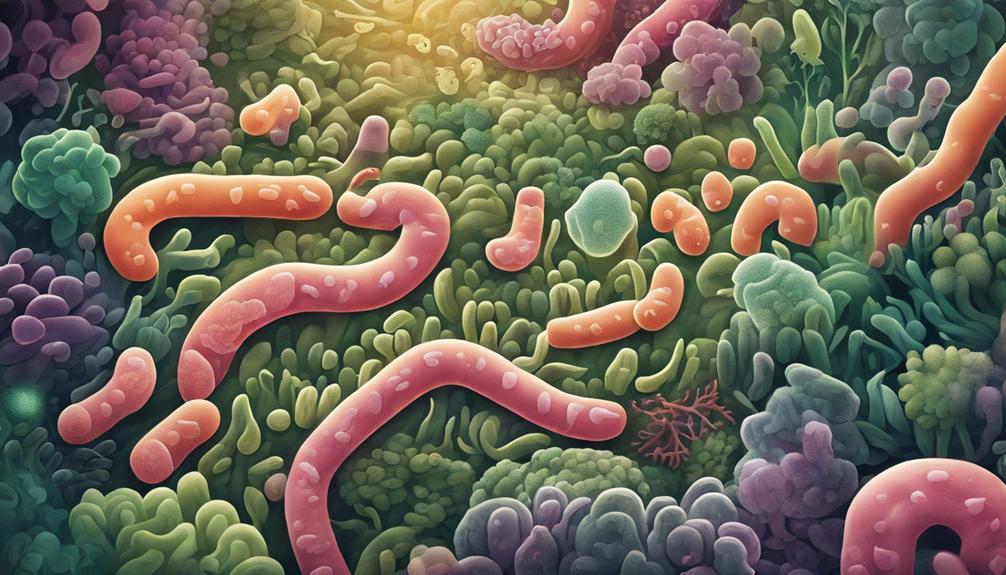
Probiotics play a vital role in maintaining digestive health by promoting a balanced gut microbiota, which is essential for a healthy immune system, proper nutrient absorption, and prevention of digestive disorders. By introducing beneficial bacteria, probiotics restore and maintain gut balance, alleviating symptoms of digestive issues like IBS, IBD, and GERD. They also boost the immune system, reduce inflammation, and modulate the gut-brain axis. As research continues to uncover the therapeutic potential of probiotics, exploring their role in digestive health can lead to a deeper understanding of the complex relationships between the gut, immune system, and overall well-being.
Probiotics and Gut Balance
Maintaining a delicate balance of gut microbiota is essential for excellent digestive health, and probiotics play an important role in this process by promoting a healthy ratio of beneficial to harmful bacteria. The human gut is home to trillions of microorganisms, and when this balance is disrupted, it can lead to various health issues. Probiotics help restore and maintain this balance by introducing beneficial bacteria into the gut, which in turn boosts the immune system, aids in nutrient absorption, and supports overall well-being. Incorporating probiotics into your diet can be achieved through fermented foods such as yogurt, kefir, sauerkraut, and kombucha. By making these foods a regular part of your meals, you can enhance the population of good bacteria in your gut. Additionally, adopting daily habits for better health, such as eating a balanced diet rich in fiber and staying hydrated, further supports gut health and overall vitality.
The gut microbiota consists of both beneficial and harmful bacteria, and an imbalance, also known as dysbiosis, can lead to digestive issues, inflammation, and even mental health concerns. Probiotics work to counteract this imbalance by increasing the population of beneficial bacteria, such as Lactobacillus and Bifidobacterium. These beneficial bacteria help to crowd out harmful bacteria, reducing inflammation and promoting a healthy gut environment.
Benefits for Digestive Issues
Probiotics have been shown to alleviate symptoms of various digestive issues, including irritable bowel syndrome (IBS), inflammatory bowel disease (IBD), and gastroesophageal reflux disease (GERD), by promoting a balanced gut microbiota and enhancing the gut's natural barrier function. This is achieved through the colonization of beneficial microorganisms, which helps to regulate the gut-brain axis and modulate the immune response. As a result, probiotics have been found to reduce symptoms such as bloating, abdominal pain, and bowel irregularity in individuals with IBS.
In patients with IBD, probiotics have been shown to reduce inflammation and improve gut mucosal healing. Additionally, probiotics have been found to alleviate symptoms of GERD, such as heartburn and regurgitation, by reducing inflammation and improving the integrity of the esophageal mucosa. The beneficial effects of probiotics on digestive issues are thought to be mediated by their ability to modulate the gut microbiota, enhance the gut's natural barrier function, and regulate the immune response. Overall, the use of probiotics as a therapeutic strategy for digestive issues has shown promise and warrants further research. By incorporating probiotics into their treatment plans, healthcare providers may be able to provide relief to individuals suffering from digestive issues and improve their overall quality of life.
Boosting Immune Function
In addition to their role in alleviating digestive issues, probiotics have been found to play a significant role in boosting immune function, with research suggesting that they can enhance the body's natural defense against pathogens and other foreign substances. This is achieved through the modulation of the immune system, which involves the regulation of immune cells and the production of cytokines, which are signaling molecules that help to coordinate the immune response.
| Immune System Component | Probiotic Effect |
|---|---|
| T-cells | Activation and proliferation, enhancing cellular immunity |
| Cytokine production | Regulation of pro- and anti-inflammatory responses |
| Macrophages | Enhanced phagocytic activity, improving pathogen clearance |
| Mucosal barrier function | Strengthened physical barrier, reducing pathogen entry |
Probiotics have been shown to stimulate the production of antibodies, activate immune cells, and increase the expression of immune-related genes. Furthermore, they can also influence the gut-associated lymphoid tissue, which is responsible for immune surveillance and response in the gastrointestinal tract. By supporting the immune system, probiotics can help to prevent infections, reduce the severity of illnesses, and promote overall health and well-being. As healthcare professionals, it is essential to recognize the critical role that probiotics play in maintaining a healthy immune system, and to consider their use as a complementary therapy in the prevention and treatment of immune-related disorders.
Alleviating IBS Symptoms
How can probiotics, with their multifaceted benefits, be leveraged to alleviate the debilitating symptoms of irritable bowel syndrome (IBS), a chronic and often intractable condition that affects millions worldwide? IBS is characterized by recurring abdominal pain, bloating, and altered bowel habits, impacting quality of life to a large extent. The precise etiology of IBS remains unclear, but an imbalance of the gut microbiota is thought to contribute to its pathogenesis.
Probiotics, by modulating the gut microbiota, offer a promising therapeutic strategy for IBS management. Studies have consistently demonstrated that probiotics can reduce IBS symptoms, including abdominal pain, bloating, and bowel irregularities. The beneficial effects of probiotics in IBS are thought to be mediated by their ability to enhance gut motility, reduce inflammation, and modulate the gut-brain axis.
Specifically, certain probiotic strains, such as Bifidobacterium and Lactobacillus, have been shown to be particularly effective in alleviating IBS symptoms. These strains can colonize the gut, displacing pathogenic bacteria and promoting a balanced gut microbiota. Additionally, probiotics can also modulate the gut-brain axis, reducing visceral hypersensitivity and anxiety, common comorbidities in IBS patients.
Probiotics and Inflammation
Chronic inflammation, a hallmark of many gastrointestinal disorders, including IBS, can be mitigated by the anti-inflammatory properties of probiotics, which have been shown to downregulate pro-inflammatory cytokines and promote a balanced immune response. This is achieved through the modulation of the gut-associated lymphoid tissue, which plays an essential role in the regulation of the immune system.
Probiotics have been found to reduce inflammation by:
| Probiotic Mechanism | Anti-Inflammatory Effect |
|---|---|
| Downregulation of pro-inflammatory cytokines | Reduced inflammation |
| Suppression of NF-κB activation | Inhibited inflammatory signaling |
| Modulation of the gut-associated lymphoid tissue | Balanced immune response |
| Production of anti-inflammatory metabolites | Reduced oxidative stress |
| Inhibition of pro-inflammatory enzymes | Decreased inflammation |
Choosing the Right Probiotic
When selecting a probiotic, it is important to take into account the specific health benefits and strains that align with individual needs, as not all products are created equal. With the vast array of options available, choosing the right probiotic can be overwhelming. However, making an informed decision is essential to reap the desired benefits.
To make sure you choose a probiotic that meets your needs, consider the following key factors:
- Strain specificity: Look for products that contain strains that have been studied and proven to support your specific health concern, such as _Lactobacillus acidophilus_ for digestive health or _Bifidobacterium lactis_ for immune system support.
- CFU (Colony-Forming Units) count: Confirm the product has a guaranteed CFU count through the expiration date, as this assures the probiotic remains potent throughout its shelf life.
- Third-party testing and certification: Opt for products that have been tested and certified by reputable third-party organizations, such as NSF International or the National Science Foundation, to guarantee purity, potency, and label accuracy.
Frequently Asked Questions
Can Probiotics Be Taken With Prescription Medications?
When considering supplementation with probiotics, it is important to evaluate potential interactions with prescription medications. Generally, probiotics are well-tolerated and safe to take alongside medications. However, certain antibiotics, immunosuppressants, and antacids may be affected by probiotic use. It is essential to consult with a healthcare provider to guarantee safe co-administration and achieve the best therapeutic outcomes. Individualized guidance can help mitigate potential interactions and maximize the benefits of probiotic supplementation.
Are Probiotics Safe for Pregnant or Breastfeeding Women?
'Expecting a bundle of joy? Nursing a newborn? While probiotics are generally considered safe, pregnant and breastfeeding women should exercise caution. It's ironic that the very supplements meant to promote gut health might not be suitable for the most vulnerable populations. Always consult a healthcare provider before adding probiotics to your regimen, as individual circumstances may vary. Safe probiotic use during these critical life stages is essential to guarantee a healthy mom and baby.'
Can Probiotics Help With Weight Loss or Management?
Research suggests that probiotics may play a role in weight loss and management. Studies have shown that certain strains of probiotics can influence metabolic pathways, leading to increased fat burning and improved glucose metabolism. Additionally, probiotics can help regulate appetite and satiety hormones, promoting feelings of fullness and reducing calorie intake. While individual results may vary, incorporating probiotics into a healthy diet and exercise routine may support sustainable weight management.
How Long Does It Take to Notice Probiotic Benefits?
'Rome wasn't built in a day,' and neither are the benefits of probiotics. When it comes to noticing probiotic benefits, patience is a virtue. The timeline for experiencing results varies depending on individual factors, such as health status and supplement quality. Generally, mild benefits may be felt within 1-2 weeks, while more pronounced effects may take 4-6 weeks. Consistency and persistence are key to realizing the full potential of probiotics.
Can Probiotics Be Given to Infants or Young Children?
In pediatric care, probiotics can be safely administered to infants and young children, with benefits extending to improved gut health and immune system development. Research suggests that probiotic supplementation in early childhood may reduce the risk of allergies, asthma, and eczema. However, it is essential to consult a pediatrician before introducing probiotics to an infant's or young child's diet, as individual needs and appropriate strains must be carefully considered.
