

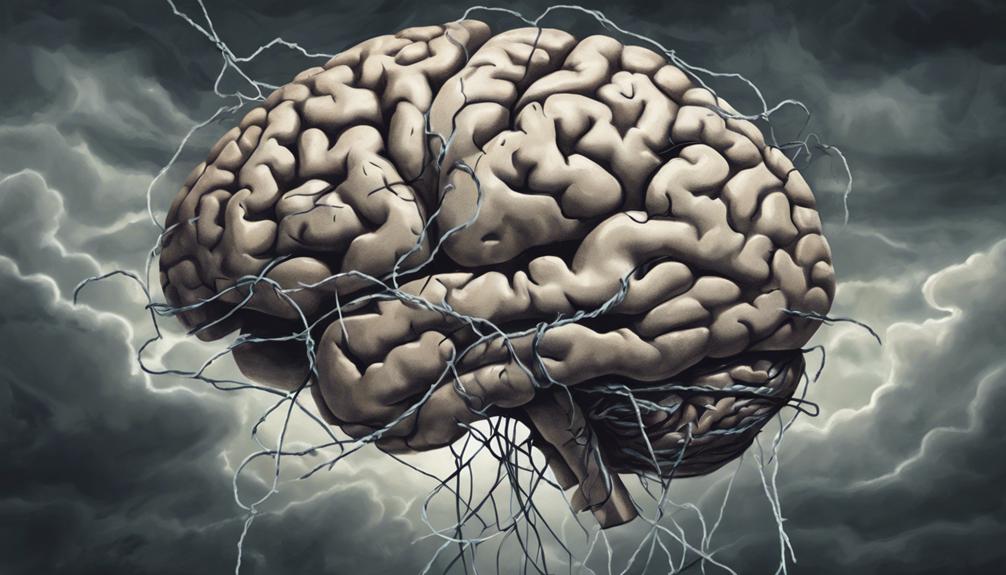
Understanding the impact of stress on your health is essential for overall well-being. Chronic stress can disrupt hormone balance, weaken immune function, and affect digestive health, leading to diseases like IBS and GERD. It can also increase the risk of cardiovascular disease, anxiety, and depression. Additionally, stress can alter sleep patterns, impair cognitive function, and lead to mental health problems. Recognizing the profound impact of stress on health is vital for making informed decisions about your well-being. As you explore the complex consequences of stress, you’ll uncover the keys to breaking the cycle of stress and reclaiming your health. Moreover, it is equally important to consider the impact of environment on health, as external factors can exacerbate stress levels and influence our overall state of well-being. A supportive, nurturing environment can help mitigate the negative effects of stress, while a toxic or unpredictable setting may worsen one’s health outcomes. By fostering healthier relationships and surrounding ourselves with positive influences, we can create a buffer against stress and enhance our resilience, ultimately leading to a happier, healthier life.
Physiological Effects of Chronic Stress
Chronic stress can initiate a cascade of physiological responses that disrupt the body's delicate hormonal balance, leading to a plethora of detrimental effects on overall health. When the body perceives stress, it triggers the release of cortisol, a hormone that prepares the body for 'fight or flight' mode. Prolonged exposure to cortisol can lead to suppressed immune function, impaired digestion, and disrupted sleep patterns. Moreover, chronic stress can also cause inflammation, which is a precursor to various diseases, including cardiovascular disease, diabetes, and cancer.
The physiological effects of chronic stress can also manifest in the cardiovascular system. Elevated blood pressure, cardiac arrhythmias, and increased risk of heart disease are all potential consequences of chronic stress. Additionally, the digestive system can be severely impacted, leading to issues such as irritable bowel syndrome, acid reflux, and stomach ulcers. The musculoskeletal system is also vulnerable, with chronic stress leading to muscle tension, back pain, and headaches. It is essential to recognize the physiological effects of chronic stress and take proactive measures to mitigate its impact on overall health. By doing so, individuals can reduce their risk of developing chronic diseases and maintain peak well-being.
Mental Health Consequences of Stress
Chronic stress can have profound effects on mental health, leading to a heightened risk of anxiety and depression, as well as impairing emotional regulation. When stress becomes overwhelming, emotional responses can become distorted, leading to mood swings and increased irritability. Prolonged stress exposure can further exacerbate these issues, increasing the likelihood of developing mood disorders.
Anxiety and Depression
Stress can greatly worsen anxiety and depression, two of the most common mental health disorders affecting millions of people worldwide. Chronic stress can exacerbate symptoms of anxiety, leading to increased feelings of worry, fear, and apprehension. Similarly, stress can deepen depressive episodes, making it more challenging to manage daily life.
The consequences of unchecked stress on anxiety and depression can be severe, including:
- Increased symptoms of anxiety, such as rapid heartbeat and shortness of breath
- Deeper depressive episodes, characterized by feelings of hopelessness and despair
- Strained relationships, as stress and anxiety can lead to social withdrawal
- Decreased productivity, as anxiety and depression can impair cognitive functioning and motivation
It is essential to recognize the impact of stress on anxiety and depression, and to take proactive steps to manage stress levels. By doing so, individuals can reduce the risk of developing these debilitating mental health disorders, and improve their overall well-being.
Emotional Regulation Fails
When the body's 'fight or flight' response is triggered, emotional regulation can fail, leading to a surge of intense emotions that can be overwhelming and difficult to manage. This failure in emotional regulation can lead to impulsive decisions, mood swings, and emotional outbursts. As a result, individuals may experience feelings of anxiety, irritability, and frustration, which can further exacerbate the stress response. Moreover, this emotional turmoil can also impact relationships, work performance, and overall well-being.
Chronic stress can disrupt the prefrontal cortex, a region of the brain responsible for emotional regulation, decision-making, and impulse control. This disruption can lead to a vicious cycle of stress, emotional dysregulation, and further stress. It is essential to recognize the signs of emotional regulation failure, such as increased emotional reactivity, and take proactive steps to mitigate the effects of stress. By adopting stress-reducing strategies, such as mindfulness, deep breathing, and relaxation techniques, individuals can regain control over their emotions and improve their overall mental health.
Mood Disorder Risks
Prolonged exposure to stress can precipitate a downward spiral into mood disorders, including anxiety and depression, which can greatly impair daily functioning and overall quality of life. When stress becomes chronic, it can alter the brain's chemistry, leading to changes in mood regulation. This can result in feelings of hopelessness, anxiety, and despair, making everyday tasks seem insurmountable.
Some common mood disorder risks associated with stress include:
- Anxiety disorders: Chronic stress can trigger excessive worry, fear, and anxiety, leading to anxiety disorders such as generalized anxiety disorder or panic disorder.
- Depressive disorders: Prolonged stress can contribute to the development of depressive disorders, including major depressive disorder and dysthymia.
- Bipolar disorder: Stress can trigger episodes of mania or hypomania in individuals with bipolar disorder.
- Post-traumatic stress disorder (PTSD): Traumatic events can lead to PTSD, which can be exacerbated by chronic stress.
It is essential to recognize the signs of mood disorders and seek professional help to mitigate the negative impact of stress on mental health. By addressing stress and its consequences, individuals can regain control over their lives and improve their overall well-being.
How Stress Affects Digestive Health
Moreover, the gut-brain axis, a bidirectional communication network between the central nervous system and the enteric nervous system, is highly susceptible to the detrimental effects of psychological tension. Stress can disrupt the delicate balance of this axis, leading to a range of gastrointestinal issues. The enteric nervous system, often referred to as the 'little brain,' is responsible for regulating digestion, absorption, and gut motility. When stressed, the brain sends signals to the gut, triggering the release of stress hormones like cortisol and adrenaline. These hormones can slow down digestion, reduce blood flow to the gut, and alter the gut microbiome.
Individuals experiencing chronic stress may develop digestive issues such as irritable bowel syndrome (IBS), inflammatory bowel disease (IBD), and gastroesophageal reflux disease (GERD). Stress can also exacerbate existing gastrointestinal conditions, leading to increased symptom severity. Moreover, the gut-brain axis is a two-way communication network, meaning that gastrointestinal issues can, in turn, contribute to increased stress and anxiety.
It is essential for individuals experiencing stress-related digestive issues to seek medical attention to rule out underlying conditions. Healthcare professionals can provide guidance on stress management techniques, such as mindfulness, meditation, and yoga, which can help alleviate symptoms. Additionally, dietary changes, probiotics, and prebiotics may be recommended to restore balance to the gut microbiome. By addressing the impact of stress on digestive health, individuals can take a holistic approach to promoting overall well-being.
Stress and Cardiovascular Disease
Chronic stress exerts a profound impact on cardiovascular health, increasing the risk of developing cardiovascular disease, the leading cause of morbidity and mortality worldwide. This is because stress triggers a cascade of physiological responses that compromise cardiovascular function, including increased heart rate, blood pressure, and cardiac output. Prolonged exposure to these stress-induced changes can lead to the development of cardiovascular disease, including hypertension, atherosclerosis, and myocardial infarction.
The mechanisms underlying the stress-cardiovascular disease axis are multifaceted and involve the activation of the hypothalamic-pituitary-adrenal (HPA) axis, the release of pro-inflammatory cytokines, and the dysregulation of the autonomic nervous system. These changes can lead to:
- Increased blood pressure and cardiac workload
- Vasoconstriction and reduced blood flow to essential organs
- Inflammation and oxidative stress, promoting atherosclerosis
- Disrupted cardiac rhythm and increased risk of arrhythmias
It is essential to recognize the critical role of stress in the development and progression of cardiovascular disease, and to adopt effective stress management strategies to mitigate this risk. By prioritizing stress reduction and cardiovascular health, individuals can significantly lower their risk of developing cardiovascular disease and improve overall well-being.
The Impact of Stress on Sleep
Stress also infiltrates the domain of sleep, as the body's stress response can greatly disrupt normal sleep patterns, leading to insomnia, daytime fatigue, and other sleep-related disorders. When we're stressed, our body's 'fight or flight' response is triggered, releasing hormones like adrenaline and cortisol, making it difficult to relax and fall asleep. This can lead to a vicious cycle of sleep deprivation, which can additionally exacerbate stress levels, creating a self-perpetuating cycle.
Chronic stress can also alter the body's natural sleep-wake cycle, known as the circadian rhythm. This can result in delayed sleep onset, frequent awakenings, and reduced sleep quality. In addition, stress can lead to anxiety, which can manifest as racing thoughts, making it challenging to wind down and relax before sleep.
The consequences of stress-induced sleep disorders can be far-reaching, affecting not only our physical health but also our emotional well-being. Sleep deprivation can impair cognitive function, mood regulation, and judgment, making it challenging to cope with daily stressors. Additionally, chronic sleep disturbances can increase the risk of developing depression, anxiety disorders, and other mental health conditions.
It is essential to recognize the impact of stress on sleep patterns and take proactive steps to manage stress levels, establish a relaxing bedtime routine, and create a sleep-conducive environment. By prioritizing sleep health and stress management, we can break the cycle of stress and sleep disturbances, promoting overall health and well-being.
Stress and the Immune System
When stress becomes a persistent presence in our lives, it can have far-reaching consequences for our immune system. Chronic stress triggers a cascade of physiological responses that can lead to chronic inflammation, impaired immune function, and an overreliance on cortisol, a hormone that plays a critical role in our response to stress. As we explore the complex interplay between stress and immunity, we will examine the specific ways in which chronic stress can undermine our body's natural defenses.
Chronic Inflammation Response
In the intricate interplay between the body's defense mechanisms and the mind's emotional landscape, a subtle yet insidious threat lurks, as the chronic inflammation response triggered by stress can silently wreak havoc on overall health. When the body perceives stress, it activates the immune system's inflammation response, which, in moderation, is a crucial defense mechanism. However, chronic stress can lead to a persistent and excessive inflammatory response, causing subtle yet insidious damage to tissues and organs.
Some of the key consequences of chronic inflammation triggered by stress include:
- Tissue damage and scarring: Chronic inflammation can lead to the formation of scar tissue, compromising organ function and overall health.
- Metabolic disruptions: Inflammation can disrupt glucose and lipid metabolism, increasing the risk of metabolic disorders.
- Neurological impairment: Chronic inflammation has been linked to neurodegenerative diseases, such as Alzheimer's and Parkinson's.
- Cardiovascular complications: Excessive inflammation can contribute to the development of cardiovascular disease, including atherosclerosis and hypertension.
Weakened Immune Function
Beyond the chronic inflammation response, the immune system itself is also vulnerable to the corrosive effects of stress, which can cripple its ability to defend the body against pathogens and other foreign invaders. Chronic stress can suppress the immune system, making us more susceptible to illnesses and infections. This is because stress hormones, such as cortisol, can disrupt the normal functioning of immune cells, including T-cells and natural killer cells, which are crucial for fighting off infections. Additionally, stress can also reduce the production of antibodies, further compromising our immune defenses. A weakened immune system can lead to a range of health problems, from the common cold and flu to more serious conditions like autoimmune diseases. It is essential to recognize the impact of stress on our immune system and take proactive steps to manage stress, such as through relaxation techniques, exercise, and social support, to maintain a healthy and resilient immune system.
Cortisol's Double Edge
Cortisol, often referred to as the 'stress hormone,' plays a paradoxical role in the immune system, simultaneously facilitating and debilitating our body's defense against pathogens. On one hand, cortisol helps regulate the immune response by suppressing inflammation and preventing an overactive immune response. However, chronically elevated cortisol levels can have devastating effects on the immune system.
- Cortisol can suppress the activity of immune cells, such as natural killer cells and T-cells, making us more susceptible to infections.
- It can also lead to the destruction of immune cells, further compromising our immune function.
- Cortisol can impair the barrier function of the skin and mucous membranes, making us more prone to infections.
- Additionally, cortisol can promote the production of pro-inflammatory cytokines, which can exacerbate chronic inflammatory conditions.
It is essential to manage stress and cortisol levels to maintain a healthy immune system. By understanding the double-edged role of cortisol, we can take proactive steps to mitigate the negative effects of stress on our immune function, ultimately promoting overall well-being.
Hormonal Imbalances Caused by Stress
Chronic stress can disrupt the delicate balance of hormones in the body, leading to a cascade of hormonal imbalances that can wreak havoc on overall health. The hypothalamic-pituitary-adrenal (HPA) axis, a complex neuroendocrine system, is particularly susceptible to stress-induced disruptions. When stressed, the HPA axis triggers the release of cortisol, a hormone essential for responding to immediate threats. However, prolonged cortisol elevation can suppress the production of other essential hormones, such as insulin, growth hormone, and thyroid hormone.
This hormonal imbalance can manifest in various ways, including insulin resistance, metabolic changes, and thyroid dysfunction. For example, cortisol's impact on insulin can lead to blood sugar fluctuations, increasing the risk of developing type 2 diabetes. Similarly, cortisol's suppression of growth hormone can impede growth and development in children, while thyroid hormone dysregulation can cause fatigue, weight changes, and mood disturbances.
Moreover, stress-induced hormonal imbalances can also affect the reproductive system, leading to issues such as polycystic ovary syndrome (PCOS), irregular menstrual cycles, and erectile dysfunction. It is essential to recognize the far-reaching consequences of stress on hormonal balance and take proactive steps to mitigate its effects. By acknowledging the intricate relationships between stress, hormones, and overall health, individuals can take the first step towards restoring balance and promoting well-being.
Breaking the Cycle of Stress
Regularly, individuals find themselves trapped in a vicious cycle of stress, where the relentless pressure to cope with daily demands perpetuates a state of constant anxiety. Breaking this cycle is vital to reclaiming control over one's well-being and restoring a sense of balance in life.
To break the cycle of stress, it is essential to identify the sources of anxiety and develop effective coping strategies. This can be achieved by:
- Practicing self-care: Engage in activities that bring joy and relaxation, such as yoga, meditation, or reading.
- Setting boundaries: Learn to say 'no' to non-essential tasks and prioritize tasks that align with personal values.
- Seeking support: Build a network of trusted friends, family, or professionals who can offer emotional support.
- Embracing mindfulness: Focus on the present moment and let go of worries about the past or future.
Frequently Asked Questions
Can Stress Cause Hair Loss or Skin Problems?
Chronic stress can indeed have a profound impact on our physical appearance, particularly when it comes to hair and skin. Prolonged stress can cause hair loss, as the body's "fight or flight" response diverts resources away from non-essential functions, including hair growth. Similarly, stress can trigger or exacerbate skin issues like acne, eczema, and psoriasis. This is due to the release of stress hormones, which can disrupt the skin's natural barrier function and immune response.
How Does Stress Affect Fertility in Men and Women?
Like a delicate ecosystem, the human reproductive system is susceptible to the ravages of stress, which can disrupt the intricate balance of hormones and physiological processes. In men, stress can lower sperm count and motility, while in women, it can affect ovulation and menstrual regularity. Chronic stress can also lead to decreased libido, further compromising fertility. As a result, managing stress is crucial for excellent reproductive health and fertility in both men and women.
Can Stress Trigger or Worsen Autoimmune Diseases?
Research suggests that stress can exacerbate autoimmune diseases, although the exact mechanisms are not fully understood. Chronic stress can disrupt the immune system, leading to increased inflammation and immune dysregulation, which can worsen autoimmune conditions such as rheumatoid arthritis, lupus, and multiple sclerosis. Additionally, stress can trigger flares in existing autoimmune diseases, highlighting the importance of stress management in holistic disease management.
Does Stress Increase the Risk of Certain Cancers?
Some may argue that the correlation between stress and cancer is anecdotal, but research suggests otherwise. Chronic stress can disrupt the body's natural balance, weakening immune function and increasing the risk of certain cancers. Studies have shown that stress hormones, such as cortisol, can promote tumor growth and inhibit the body's natural cancer-fighting abilities. While the link is complex, evidence suggests that prolonged stress can contribute to a higher risk of developing certain types of cancer, including colorectal, breast, and prostate cancer.
Can Stress Cause or Exacerbate Neurological Disorders?
Research suggests that stress can indeed contribute to the development and exacerbation of various neurological disorders. Chronic stress has been linked to an increased risk of depression, anxiety, and mood disorders. Additionally, stress can worsen the symptoms of neurodegenerative diseases such as Alzheimer's and Parkinson's. The hypothalamic-pituitary-adrenal axis, responsible for regulating stress, is also implicated in neurological disorders, highlighting the complex interplay between stress and neurological health.
