

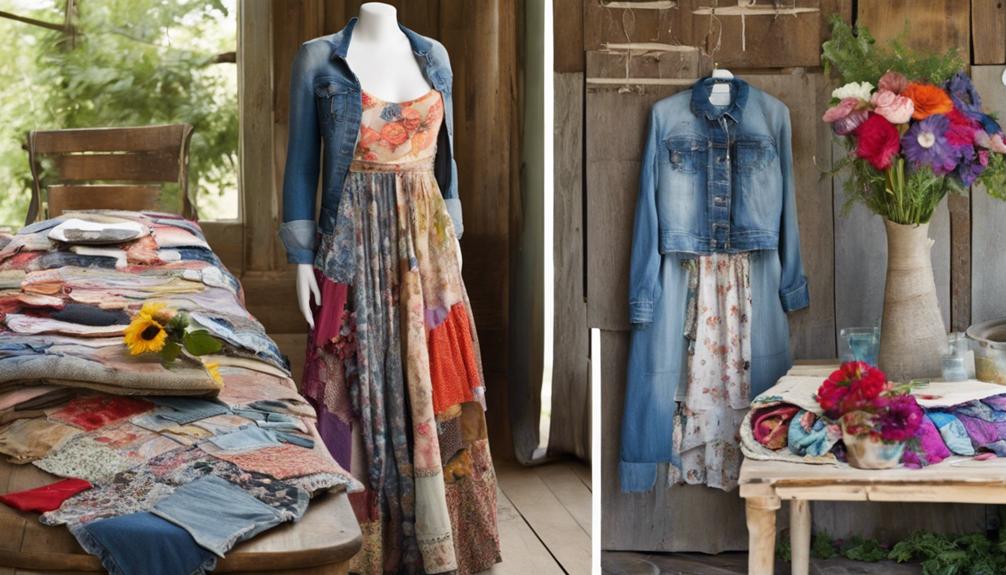
Upcycling old clothes is a creative and environmentally conscious way to revitalize beloved garments, reduce waste, and express personal style through unique and trendy transformations. Breathing new life into old favorites encourages creativity and experimentation, developing an intimate relationship with clothing. From transforming outdated pieces into modern items to creating functional accessories, upcycling offers endless possibilities. Discover innovative techniques to revamp denim, sweaters, and other materials, and explore sustainable fashion choices that reduce waste and promote eco-friendly style. As you explore these fashionable and sustainable ideas, you'll uncover a world of creative possibilities waiting to be uncovered.
Revamping Old Favorites
Revamping old favorites is an excellent way to breathe new life into beloved garments that may have otherwise been relegated to the back of the closet or discarded altogether. This creative approach not only reduces waste but also allows individuals to reconnect with their personal style and express themselves through sustainable fashion. By revamping old favorites, one can transform outdated pieces into modern, trendy items that reflect their current aesthetic.
This process encourages creativity and experimentation, as individuals can mix and match different fabrics, textures, and embellishments to create unique, one-of-a-kind garments. For instance, an old denim jacket can be transformed into a trendy vest or a pair of shorts, while a vintage dress can be reimagined as a stylish skirt or scarf. The possibilities are endless, and the outcome is not only environmentally friendly but also a reflection of one's resourcefulness and innovation.
Moreover, revamping old favorites allows individuals to develop a more intimate relationship with their clothing, fostering a sense of attachment and appreciation for the garments they wear. As a result, individuals are more likely to care for their revamped pieces with greater attention, extending their lifespan and reducing the likelihood of them ending up in landfills. By embracing this sustainable approach to fashion, individuals can make a positive impact on the environment while expressing their personal style with creativity and flair.
T-Shirt Yarn Creations
As an extension of revitalizing old favorites, repurposing t-shirts into yarn offers an innovative avenue for creative expression and sustainable fashion, allowing individuals to transform a worn-out garment into a unique textile with endless possibilities. This eco-friendly approach not only reduces waste but also provides a fresh canvas for imagination and ingenuity.
T-shirt yarn, also known as "tarn," can be used to create an array of products, from functional items to decorative pieces. The possibilities are endless, and the table below showcases a few examples of what can be created:
| Product | Description | Skills Required |
|---|---|---|
| Macrame plant hangers | Boho-chic plant holders made from tarn | Basic knotting techniques |
| Crocheted bags | Sturdy, eco-friendly bags crafted from tarn | Crochet skills, basic sewing |
| Woven wall hangings | Textile art pieces featuring tarn and other materials | Basic weaving, design skills |
| Coasters and placemats | Protective, decorative items for the home | Basic sewing, hot glue gun |
| Tarn pom-pom garlands | Whimsical, colorful decorations for parties or events | Basic sewing, pom-pom maker |
Denim Revival Strategies
Denim revival strategies offer a creative solution to breathe new life into old, worn-out denim pieces. By applying innovative techniques, it is possible to transform once-forgotten denim items into unique, one-of-a-kind creations. From denim patchwork to ripped knee revamps, the possibilities for upcycling denim are endless, and we will explore these strategies in further detail.
Denim Patchwork Magic
Transforming old denim into unique, one-of-a-kind creations is an art form that requires patience, creativity, and a keen eye for detail. Denim patchwork magic is an innovative way to breathe new life into discarded denim pieces, giving them a fresh spin. By combining contrasting denim fabrics, textures, and colors, you can create stunning, one-off statements that exude individuality and style.
To get started, gather a selection of denim scraps, old jeans, and fabric remnants. Cut out shapes, strips, or squares, and arrange them into a cohesive design. You can create a mesmerizing mosaic effect by piecing together smaller fragments or go for a bold, graphic look with larger sections. The key is to experiment and have fun with the process. Use a sewing machine or hand-stitch the pieces together, adding embellishments like buttons, sequins, or embroidery floss for added visual interest. The result is a one-of-a-kind upcycled denim masterpiece that's both eco-friendly and fashion-forward.
Ripped Knee Revamp
What secrets lie hidden beneath the frayed threads and torn knees of a well-worn pair of jeans, waiting to be uncovered and reborn into a stylish, one-of-a-kind masterpiece? The ripped knee revamp is an ingenious upcycling strategy that breathes new life into distressed denim. By strategically cutting, layering, and stitching, you can transform unsightly tears into deliberate design elements. Start by carefully cutting out the ripped areas, then layer contrasting fabrics or lace behind the tears to create an intriguing peek-a-boo effect. Reinforce the seams with a sturdy thread, and finish with a decorative stitch for added texture. To take it a step further, embroider or appliqué intricate patterns around the repaired areas, creating an eye-catching focal point. By embracing the imperfections and celebrating the worn, you'll craft a one-of-a-kind statement piece that exudes confidence and creativity. With the ripped knee revamp, the art of upcycling meets high-fashion innovation, resulting in a truly show-stopping garment.
Faded Glory Revival
With remarkable frequency, a faded pair of jeans is relegated to the back of the closet, awaiting an uncertain fate, when in reality, it can be revitalized with a few clever revival strategies. Denim, being a durable and versatile material, can be transformed into unique and stylish pieces that exude a sense of nostalgia and character. By adopting a few simple techniques, you can breathe new life into your faded jeans and reduce waste in the process.
Here are some innovative denim revival strategies to get you started:
| Revival Strategy | Description | Level of Difficulty |
|---|---|---|
| Dyeing | Revitalize your faded jeans with a fresh coat of dye to restore their vibrancy. | Easy |
| Embroidery | Add intricate designs or patterns to give your jeans a personalized touch. | Medium |
| Patchwork | Reinvent your jeans by adding colorful patches to create a unique, eclectic look. | Hard |
| Upcycled Accessories | Transform your jeans into fashionable accessories like bags, belts, or jewelry. | Easy |
Sweater Makeover Magic
In the world of upcycling, sweaters offer a treasure trove of creative possibilities. This section will explore the art of transforming outdated sweaters into unique, modern pieces that breathe new life into old favorites. From repurposing sleeves to reimagining entire garments, the possibilities for sweater makeover magic are endless.
Reinventing Old Favorites
By repurposing a worn-out sweater, you can breathe new life into a familiar favorite, transforming it into a unique and functional piece that not only reduces waste but also tells a story of creativity and resourcefulness. This approach allows you to hold onto sentimental value while embracing sustainability. Upcycled sweaters can take on new forms, such as a reusable tote bag, a decorative pillow, or even a set of coasters. The possibilities are endless, limited only by your imagination. To begin, carefully disassemble the sweater, taking care to preserve the intact fabric. Then, using your creativity and a few simple crafting tools, you can reshape and reconfigure the material into a one-of-a-kind piece. By reinventing old favorites, you'll not only reduce waste but also create a unique conversation starter that showcases your eco-friendly style. With a little creativity, you can transform a worn-out sweater into a functional work of art that tells a story of innovation and sustainability.
Sweater Sleeve Revamp
Transforming a single sweater sleeve into a stylish accessory or functional item can yield a remarkable makeover, as the versatile fabric lends itself to a multitude of creative reinterpretations. With a little imagination, a discarded sweater sleeve can be reborn as a unique and functional item that adds a touch of personality to any outfit or home decor.
Here are a few innovative ideas to get you started:
| Sweater Sleeve Makeover | Description |
|---|---|
| Wrist Cuff | Upcycled into a stylish wrist cuff, perfect for adding a pop of color to any outfit |
| Cozy Potholder | Transformed into a cozy potholder, protecting your hands from hot dishes |
| Macrame Plant Hanger | Repurposed as a bohemian-inspired plant hanger, adding a touch of greenery to any room |
Accessorizing With Scraps
Creativity emerges when remnants of old clothes are repurposed into unique accessories, sparking new life into discarded fabric scraps. This innovative approach not only reduces waste but also allows individuals to express their personal style through bespoke pieces. By upcycling old clothes, individuals can create one-of-a-kind accessories that reflect their individuality.
For instance, old t-shirt yarn can be transformed into colorful, chunky jewelry, such as statement necklaces or bold earrings. Similarly, denim scraps can be repurposed into trendy belts, bags, or even shoes. The possibilities are endless, and the result is a collection of accessories that are both eco-friendly and fashion-forward.
To get started, gather scraps of fabric, thread, and any other materials you’d like to incorporate, such as buttons or sequins. Then, ignite your creativity and experiment with different textures, colors, and patterns. You can use a sewing machine or do it by hand, depending on your skill level and preference. With a little patience and imagination, you can create a stunning accessory that not only reduces waste but also makes a bold fashion statement. By embracing this sustainable approach to fashion, individuals can reduce their environmental footprint while showcasing their unique sense of style. As you explore your creative process, consider incorporating ecofriendly fabric innovations that not only enhance your designs but also contribute to a more sustainable fashion industry. These materials can range from organic cotton to recycled polyester, each offering unique qualities that benefit both your creations and the environment. By staying informed about the latest developments in sustainable textiles, you can elevate your projects while making conscientious choices that resonate with your values.
Embellishing Old Dresses
Breathtaking dress makeovers can be achieved by repurposing old, forgotten garments into stunning, one-of-a-kind pieces that exude personal style and sophistication. With a little creativity and some basic crafting skills, you can transform an outdated dress into a showstopper that's both eco-friendly and budget-friendly.
One of the easiest ways to give new life to an old dress is by embellishing it with unique details. Here are some ideas to get you started:
| Embellishment Technique | Description |
|---|---|
| Beading | Add intricate beaded patterns or sequins to create a luxurious look |
| Appliqué | Use fabric scraps to create custom designs or monograms |
| Dyeing | Update the dress's color palette with natural or synthetic dyes |
| Stenciling | Add bold graphics or quotes using fabric paint or markers |
| Lace overlay | Add delicate lace details to create a romantic, whimsical flair |
These embellishments can instantly elevate an old dress, giving it a fresh, modern twist. By incorporating your personal style and creativity, you can create a one-of-a-kind piece that's both sustainable and fashionable. So, don't be afraid to experiment and push the boundaries of fashion innovation!
Jeans Pocket Purses
One pair of old jeans can yield multiple unique purses, each featuring a functional pocket that adds a touch of whimsy to any outfit. By repurposing the denim fabric and cleverly incorporating the original pocket design, you can create a one-of-a-kind accessory that's both eco-friendly and stylish. The resulting purses can be tailored to fit various tastes and styles, from bohemian chic to modern minimalist.
To create a jeans pocket purse, start by disassembling the jeans and cutting out the usable fabric. You can then cut out individual pocket designs, ensuring each piece is large enough to accommodate the desired purse size. Next, combine the pocket pieces with complementary fabrics, such as cotton, linen, or suede, to create a unique patchwork design. Add a sturdy strap, zipper, or magnetic closure to complete the look.
The beauty of upcycled jeans pocket purses lies in their versatility. They can be dressed up or down, making them perfect for daily errands, casual outings, or even special occasions. Additionally, the repurposed denim fabric reduces waste and supports sustainable fashion practices. With a little creativity, old jeans can be transformed into functional, fashionable, and environmentally conscious accessories that make a statement.
Frequently Asked Questions
Can I Upcycle Clothes That Are Badly Stained or Damaged?
When considering upcycling, it's essential to assess the condition of the garment. While minor flaws can be creatively overcome, severely stained or damaged items may not be ideal candidates. However, it's not a hard no. Depending on the type of stain or damage, you can attempt to remove or repair it. If the damage is extensive, consider repurposing the fabric into a new, smaller item, like a pouch or accessory, thereby reducing waste and still giving the material a second life.
How Do I Remove Stubborn Old Buttons and Zippers?
Removing stubborn old buttons and zippers can be a challenging task, but with the right techniques, it can be done efficiently. Start by applying heat using a hairdryer or iron to loosen the adhesive, then gently pry the button or zipper away from the fabric using a flathead screwdriver or pliers. For tougher cases, apply a solvent like Goo Gone or WD-40 to dissolve the adhesive.
Are There Any Upcycling Ideas for Non-Stretchy Fabrics Like Cotton?
When working with non-stretchy fabrics like cotton, upcycling opportunities abound. Consider transforming them into functional items like tote bags, aprons, or even a quilt. You can also repurpose cotton fabrics into decorative pieces, such as a macrame wall hanging or a set of coasters. For a more functional approach, turn cotton fabrics into reusable snack bags or produce bags, reducing single-use plastics in the process.
Can I Upcycle Clothes That Are Not Made From Natural Fibers?
While natural fibers are ideal for upcycling, it's not a hard and fast rule. Synthetic fabrics like polyester, nylon, or spandex can also be repurposed, albeit with some limitations. For instance, you can refashion a polyester blouse into a reusable bag or transform a nylon windbreaker into a sturdy tote. Get creative with embellishments, dyeing, or patchwork to breathe new life into synthetic fabrics.
How Do I Prevent Fraying When Cutting Old Clothes for Upcycling?
When cutting old clothes for upcycling, preventing fraying is essential to maintain the fabric's integrity. To achieve this, use a hot glue gun to apply a thin bead of glue along the cut edge, allowing it to cool and harden before handling. Alternatively, apply a fabric stabilizer or interfacing to the area before cutting, providing additional structure and preventing fraying. These techniques guarantee a clean, professional finish, ideal for upcycled creations.
