

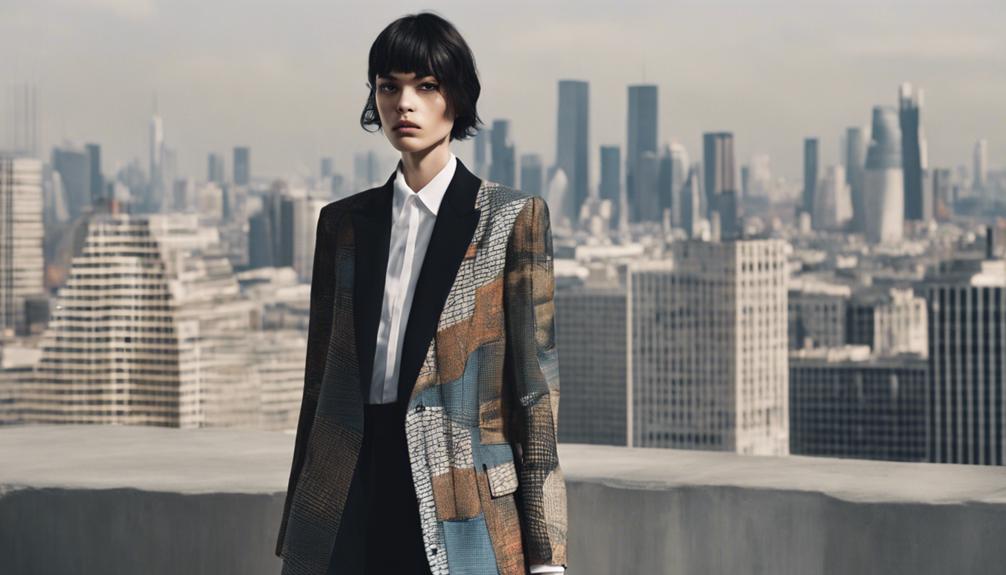
The fashion industry is undergoing a significant transformation, driven by a growing demand for inclusivity, diversity, and self-expression. This shift is challenging traditional gender norms, paving the way for a more fluid and neutral approach to fashion. Unisex clothing lines are on the rise, and celebrities are embracing genderless style. Runway shows are breaking barriers, and the industry is shifting towards neutrality. As the industry continues to evolve, it's clear that the future of fashion will be shaped by a commitment to inclusivity, diversity, and sustainability, and there's much more to explore in this transformative journey.
Challenging Traditional Fashion Norms
In recent years, a growing number of designers and fashion brands have been actively dismantling traditional gender binaries, redefining the very fabric of the fashion industry. This shift is driven by a desire to break free from the constraints of outdated gender norms and embrace a more inclusive and diverse approach to fashion. By rejecting the rigid boundaries that have long defined men's and women's fashion, designers are creating a more fluid and expressive space for individuals to express themselves.
This seismic shift is being driven by a new generation of designers who are committed to challenging traditional fashion norms. They are drawing inspiration from the worlds of art, music, and activism to create clothing that is both beautiful and thought-provoking. The result is a fashion landscape that is more diverse, more inclusive, and more innovative than ever before.
From androgynous models walking the runway to gender-neutral clothing lines, the fashion industry is finally beginning to reflect the complexity and diversity of human identity. This is not just a passing trend, but a fundamental shift in the way we think about fashion and its relationship to gender. As the industry continues to evolve, one thing is certain: the future of fashion is gender-neutral, and it's going to be a wild ride.
The Rise of Unisex Clothing
Evidence of the fashion industry's ability to adapt and evolve in response to changing social norms and values is the rise of unisex clothing. Beyond the runways, the most tangible manifestation of this shift towards gender-neutrality is the proliferation of unisex clothing lines. This phenomenon is not limited to niche brands, as even mainstream fashion houses are now embracing the concept of unisex designs. The rise of unisex clothing marks a significant departure from traditional fashion norms, where clothing was strictly categorized into masculine and feminine silhouettes.
Today, designers are experimenting with androgynous silhouettes, neutral color palettes, and innovative textiles to create clothing that transcends gender boundaries. This shift is driven by a growing demand for inclusive fashion that resonates with the modern consumer's values of individuality and self-expression.
Unisex clothing lines are not only a response to the evolving attitudes towards gender but also a reflection of the industry's acknowledgment of the fluidity of gender identity. By eliminating gendered labels, these brands are creating a more inclusive and diverse fashion landscape. As a result, consumers are no longer confined to traditional gender categories, and are free to explore and express themselves through their fashion choices.
The rise of unisex clothing highlights the fashion industry's adaptability and responsiveness to changing social norms and values. As the demand for inclusive fashion continues to grow, it will be interesting to see how brands continue to innovate and push the boundaries of gender-neutral fashion.
Fashion's Shift Towards Neutrality
As the fashion industry continues to grapple with the complexities of gender identity, a profound shift towards neutrality is reshaping the aesthetic and cultural landscape of fashion. This paradigmatic shift is driven by a growing recognition that traditional gender categories are no longer sufficient to capture the complexity of human identity. In response, designers are creating clothing that transcends traditional gender binaries, embracing a more fluid and inclusive approach to fashion.
| Designer | Collection | Description |
|---|---|---|
| Gucci | Spring 2020 | Deconstructed garments, fluid silhouettes, and a bold color palette blur traditional gender lines. |
| Phoebe English | Autumn/Winter 2020 | Androgynous models showcase oversized coats, fluid dresses, and a muted color palette. |
| Comme des Garçons | Spring 2020 | Deconstructed suits, ruffled shirts, and bold accessories challenge traditional notions of masculinity. |
| Rick Owens | Autumn/Winter 2020 | Dark, moody tones and androgynous models showcase oversized coats, distressed denim, and statement accessories. |
| Vetements | Spring 2020 | Oversized silhouettes, bold graphics, and a mix of masculine and feminine elements redefine fashion norms. |
This shift towards neutrality is not only a reflection of changing societal attitudes but also a response to the growing demand for inclusivity and diversity in fashion. As the industry continues to evolve, it will be fascinating to observe how designers continue to push the boundaries of gender norms, creating a more inclusive and accepting fashion landscape.
Celebrities Embracing Genderless Style
As the fashion landscape continues to evolve, a growing number of celebrities are embracing genderless style, using their platforms to challenge traditional notions of masculinity and femininity. From red carpet appearances to social media feeds, these trailblazers are redefining the boundaries of fashion, encouraging a more fluid approach to personal expression. By blurring the lines between traditional gender categories, they are paving the way for a more inclusive and progressive fashion industry.
Red Carpet Rebels
Embracing a fashion revolution, celebrities are increasingly using the red carpet as a platform to challenge traditional gender norms, showcasing a bold, genderless style that is redefining the industry's beauty standards. These red carpet rebels are pushing boundaries, experimenting with silhouettes, and blurring the lines between masculinity and femininity. By doing so, they are inspiring a new generation of fashion enthusiasts to rethink their own approach to style.
From Billy Porter's show-stopping tuxedo gown at the Oscars to Harry Styles' androgynous ensembles on the cover of fashion magazines, celebrities are using their platforms to promote inclusivity and self-expression. Their fashion choices are sparking conversations about gender identity, challenging societal norms, and redefining what it means to be stylish. As a result, the red carpet has become a catwalk for creativity, where stars can express themselves freely and authentically. This shift towards genderless fashion is not only a reflection of the times but also a beacon of hope for a more inclusive and accepting industry.
Androgynous A-Listers Unite
From Zendaya's sharp suits to Troye Sivan's flowing dresses, a new wave of A-listers is rewriting the rules of fashion, boldly experimenting with androgynous style that defies traditional gender norms. These celebrities are using their platforms to showcase their personal style, unapologetically embracing gender-neutral fashion and inspiring a new generation of fashion enthusiasts.
- They're breaking free from societal expectations, and we're living for it!
- Their confidence and self-expression are contagious, encouraging fans to embrace their individuality.
- By flaunting their androgynous style, they're redefining the boundaries of fashion and beauty.
- They're sparking conversations about gender identity, body positivity, and self-acceptance.
- Together, they're creating a movement that celebrates individuality and challenges the status quo.
Blurring Gender Lines
Celebrities like Harry Styles, who famously wore a Gucci dress on the cover of Vogue, are leading the charge in blurring gender lines, using their platforms to showcase a more fluid approach to fashion. This shift towards gender-neutrality is not limited to Styles, as other celebrities such as Billy Porter, Troye Sivan, and Ezra Miller have also been experimenting with androgynous styles.
| Celebrity | Notable Looks |
|---|---|
| Harry Styles | Gucci dress on Vogue cover, suits with heels |
| Billy Porter | Tuxedo gown at Oscars, bold suits |
| Troye Sivan | Skirts and dresses on red carpet |
| Ezra Miller | Bold suits and skirts at premieres |
| Ruby Rose | Suits and dresses on red carpet |
These celebrities are not only pushing boundaries in fashion but also sparking conversations around gender identity and self-expression. By embracing genderless style, they are inspiring a new generation to rethink traditional gender norms and explore their own identities. As the fashion world continues to evolve, it's clear that the future of fashion is fluid, and these celebrities are leading the way.
Breaking Barriers in Runway Shows
As the fashion industry continues to shift towards a more inclusive and fluid approach, runway shows are becoming a powerful platform for challenging traditional gender roles and breaking down binary codes. By featuring models of all genders and expressions, designers are defying conventional beauty standards and redefining the notion of style. This intentional disruption of the status quo is paving the way for a more inclusive and accepting fashion landscape.
Challenging Traditional Gender Roles
In a deliberate effort to dismantle the gender binary, many designers are now casting models of all genders in their runway shows, effectively blurring the lines between traditional masculine and feminine aesthetics. This shift is not only a celebration of diversity but also a powerful statement against the rigid gender norms that have long governed the fashion industry.
- Models of all genders walk hand in hand, shattering the illusion of a binary world
- Designers are redefining beauty standards, making room for a multitude of identities and expressions
- The runway is transformed into a platform for self-expression, where individuals can be their authentic selves
- Gender-neutral fashion is not just a trend, but a movement towards a more inclusive and accepting society
- As fashion breaks free from the shackles of traditional gender roles, it paves the way for a brighter, more liberated future
Breaking Down Binary Codes
Runway shows, once a bastion of traditional gender norms, have become a platform for designers to challenge and subvert binary codes, featuring models of all genders, ages, and abilities in a bold redefinition of beauty and style. This shift marks a significant departure from the industry's historical reliance on rigid gender categories, where men and women were relegated to distinct and narrow roles. Today, designers are actively working to dismantle these binaries, showcasing a diverse range of models that defy traditional notions of beauty and gender. The result is a more inclusive and vibrant representation of humanity, where individuals of all backgrounds and identities are celebrated.
This new wave of inclusivity has also led to a more nuanced understanding of gender expression, with models freely exploring and expressing their gender identities without apology. The runways are now a canvas for self-expression, where creativity and individuality are championed over conformity. As the fashion industry continues to evolve, one thing is clear: the days of binary thinking are numbered, and a more fluid, gender-neutral future is on the horizon.
Defying Conventional Beauty
Five decades of traditional beauty standards are being rewritten as designers deliberately cast models who shatter conventional notions of attractiveness, ushering in a new era of diversity on the catwalk. The once-narrow definition of beauty is expanding, embracing individuality and celebrating uniqueness. Runway shows are no longer reserved for the tall, thin, and able-bodied; instead, they are now a platform for people of all shapes, sizes, ages, and abilities.
- Models with disabilities, such as Aaron Philip and Jillian Mercado, are challenging the industry's ableism, proving that beauty knows no bounds.
- The rise of plus-size models like Ashley Graham and Paloma Elsesser is redefining the fashion industry's perception of beauty, promoting body positivity and self-acceptance.
- Gender-nonconforming models like Rain Dove and Fernanda Maciel are pushing the boundaries of traditional gender norms, inspiring a new wave of gender fluidity.
- Models of color, such as Duckie Thot and Anok Yai, are bringing much-needed diversity to the runway, challenging the industry's historical lack of representation.
- The inclusion of older models, like Yasmin Le Bon and Maye Musk, is redefining the industry's ageism, showcasing beauty at every stage of life.
The Future of Inclusive Fashion
As the fashion industry shifts towards a more inclusive landscape, designers are paving the way for a future where clothes transcend traditional gender boundaries. The future of inclusive fashion promises to be a domain where creativity knows no bounds, and self-expression is celebrated in all its forms. With the rise of gender-neutral fashion, we can expect to see a blurring of lines between menswear and womenswear, as well as a surge in demand for clothing that defies categorization.
In this new era, designers will focus on crafting pieces that are both essential and thought-provoking, encouraging wearers to challenge societal norms and embrace their individuality. The use of sustainable materials, innovative textiles, and cutting-edge technology will also play a significant role in shaping the future of fashion, as consumers become increasingly conscious of the environmental and social impact of their purchasing decisions.
As the industry continues to evolve, we can anticipate seeing more diverse runway models, inclusive marketing campaigns, and a shift towards body positivity. The future of inclusive fashion is not just about clothes; it's about creating a cultural movement that celebrates humanity in all its forms. By embracing diversity, promoting acceptance, and encouraging creative expression, the fashion industry can become a powerful catalyst for positive change.
Frequently Asked Questions
What Inspired the Shift Towards Gender-Neutral Fashion in Recent Years?
The shift towards gender-neutral fashion can be attributed to a confluence of factors. Changing societal attitudes towards gender identity and expression have led to a growing demand for clothing that transcends traditional masculine and feminine norms. Additionally, the increasing popularity of streetwear and athleisure wear has blurred the lines between men's and women's fashion, paving the way for a more fluid and inclusive approach to style.
Are Gender-Neutral Clothing Lines More Expensive Than Traditional Brands?
As the threads of tradition unravel, the fabric of fashion evolves. The question on everyone's mind: do gender-neutral clothing lines come with a hefty price tag? The answer lies in the details. While some gender-neutral brands boast premium materials and innovative designs, others mirror traditional brand pricing. It's a mixed bag, with affordability varying greatly between labels. Savvy shoppers, rejoice! With careful curation, stylish inclusivity can be within reach, without breaking the bank.
How Do I Style Gender-Neutral Clothing to Fit My Personal Taste?
To style gender-neutral clothing to fit your personal taste, start by identifying your personal style icons and analyzing what you like about their aesthetic. Experiment with mixing and matching neutral pieces with statement accessories that reflect your personality. Don't be afraid to add pops of color or texture to create visual interest. Finally, own the look with confidence, and remember, personal style is about expressing yourself authentically.
Are Gender-Neutral Fashion Trends Only for Younger Generations?
The notion that gender-neutral fashion trends are exclusive to younger generations is a misconception. While it’s true that younger demographics have been instrumental in driving this movement, the appeal of gender-neutral fashion transcends age boundaries. As people of all ages seek self-expression and comfort, gender-neutral fashion offers a versatile and inclusive solution, allowing individuals to experiment with personal style without adhering to traditional gender norms. Moreover, as society continues to evolve, more individuals are recognizing the importance of fashion’s impact on mental health. By embracing gender-neutral styles, people often experience a boost in confidence and self-acceptance, which can contribute positively to their overall well-being. This shift not only fosters a sense of belonging but also empowers individuals to celebrate their identities, regardless of age or gender.
Can Gender-Neutral Fashion Coexist With Traditional Fashion Norms?
As the fashion landscape evolves, a harmonious coexistence between gender-neutral fashion and traditional norms is not only possible, but inevitable. Like two threads intertwined, these opposing forces can strengthen the fabric of the industry. By embracing the fluidity of gender-neutral styles, traditional fashion can adapt and innovate, yielding a richer, more diverse tapestry of expression.
